
Published July 28, 2026 • 10 min read
- Short cycling is when your AC starts, runs only a few minutes, shuts off, and quickly restarts — instead of steady 10–20 minute cooling cycles.
- Most common causes: dirty air filter, low refrigerant, a frozen coil, thermostat problems, a failing capacitor or contactor, a blocked outdoor unit, or an oversized system.
- Why it matters: every restart is a hard, high-current start that steadily wears out the compressor — the costliest part to replace.
- Do this first: check and replace a dirty filter, then give it a few hours. If it keeps cycling, call (801) 397-0030 or request a diagnosis.
It's a 98-degree afternoon in Bountiful, and you notice your air conditioner keeps clicking on and off. It fires up, runs for two or three minutes, shuts down, and a few minutes later starts the whole routine again. The house never quite gets comfortable, and something just sounds wrong.
That pattern has a name: short cycling. It's one of the most common AC complaints we hear during a Northern Utah summer, and while a few of its causes are cheap and easy to fix yourself, others are early warnings of a much more expensive problem. This guide walks through what short cycling actually is, the seven most common reasons it happens, what each fix typically costs in 2026, the checks you can safely do on your own, and the point at which you should stop tinkering and call a technician.
What "short cycling" actually means
A central air conditioner is designed to run in cycles: it turns on, runs long enough to pull the home down to the thermostat setting, then shuts off until the temperature drifts back up. On a hot Utah afternoon, a healthy system typically runs in cycles of roughly 10 to 20 minutes, a few times per hour.
Short cycling is when those run times collapse — the system runs for only a couple of minutes before shutting off, then restarts far too soon, sometimes several times in a single hour. The tell-tale signs are:
- The outdoor unit and blower kick on and off every few minutes.
- Rooms feel muggy or unevenly cooled even though the AC "runs" often.
- Your energy bill climbs while comfort gets worse.
- You hear repeated clicking, humming, or the compressor straining to start.
It matters because of what happens at start-up. An air conditioner draws its highest electrical current in the first seconds of every cycle, when the compressor has to overcome pressure and get moving. Long, steady cycles are efficient. Dozens of hard restarts an hour are the opposite — they spike energy use, prevent the system from removing humidity, and place real strain on the compressor, which is the single most expensive component to replace. Left alone, a nuisance can turn into a full system failure.
The 7 most common causes of AC short cycling
Short cycling is a symptom, not a diagnosis. Here are the usual suspects, roughly in order from cheapest-and-simplest to most serious.
1. A dirty or clogged air filter
This is the most common cause and the best news, because it's the cheapest to fix. When the filter is packed with dust, airflow across the indoor evaporator coil drops. The coil gets too cold, can frost over, and the system trips off early on a safety limit — then tries again once it warms slightly. In dusty Utah homes, and especially during wildfire-smoke stretches when systems run hard, filters clog faster than you'd expect. Pull the filter; if it's gray and matted, replace it. Our Utah air-filter replacement guide covers how often to change it and which MERV rating to use.
2. Low refrigerant (usually a leak)
Air conditioners don't "use up" refrigerant — if the charge is low, there's a leak somewhere. Low refrigerant drops pressure in the system, which can trip a low-pressure safety switch and cause the unit to cycle off and on. You may also notice weak cooling, hissing, or ice forming on the copper lines. Because it points to a leak, this is not a DIY fix and it isn't just "topping off" the gas. A technician has to find and repair the leak, then recharge to spec — which also matters for the refrigerant transition happening across the industry right now.
3. A frozen evaporator coil
A frozen indoor coil is often the result of causes #1 or #2 — restricted airflow or low refrigerant lets the coil drop below freezing, and ice builds up until the system can't move air and shuts down. If you see ice on the indoor unit or the lines, turn the AC off (leave the fan on "on" to help it thaw), and don't run it again until a technician has found out why it froze. Running a frozen system can slug liquid back to the compressor and cause exactly the expensive damage you're trying to avoid.
4. A thermostat problem
Sometimes the AC is fine and the thermostat is the troublemaker. Dead or dying batteries, a thermostat mounted in a bad spot — in direct sun, above a supply vent, or near a lamp — or loose wiring can all make the thermostat mis-read the room and cut the cycle short. A thermostat in a hot pocket of the house tells the system the whole home is cool before it actually is. Swapping the batteries and confirming the thermostat isn't being fooled by a local heat source is a quick, safe first check. Our look at whether your thermostat may be sabotaging your comfort goes deeper here.
5. A failing capacitor, contactor, or other electrical part
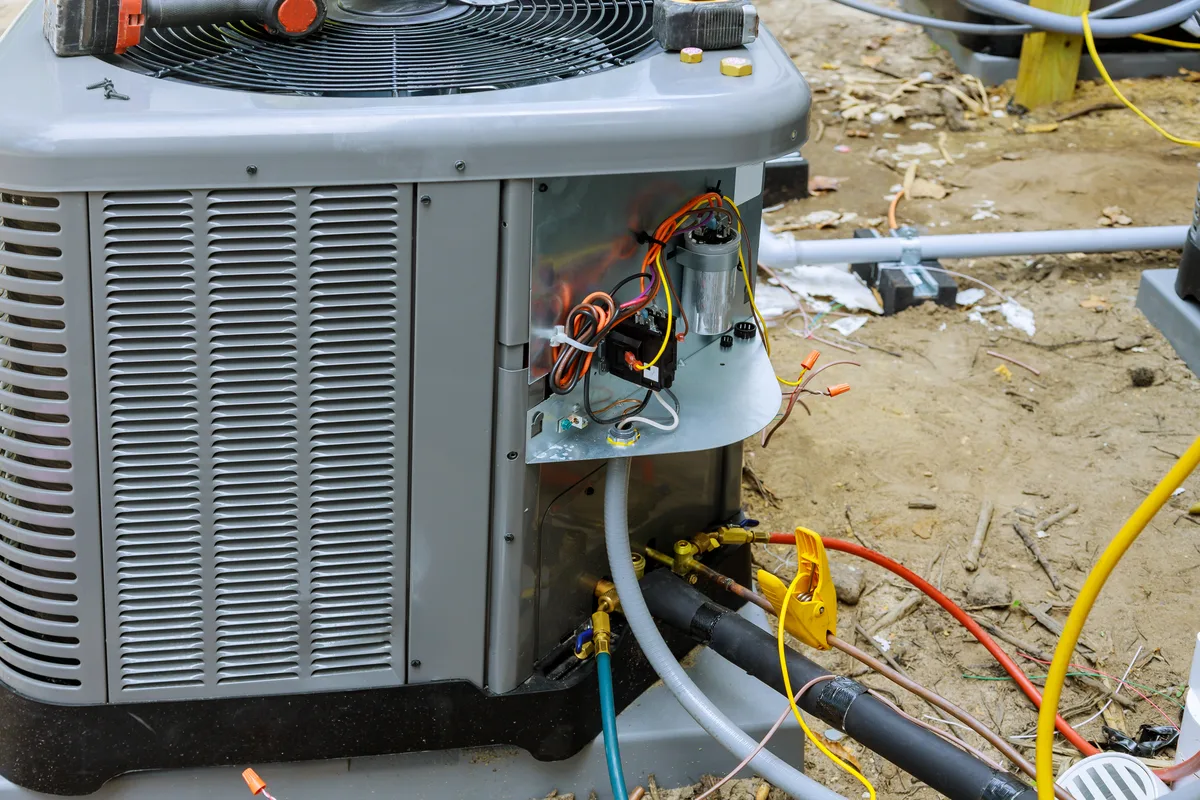
The capacitor gives the compressor and fan motors the jolt they need to start and keep running. When a capacitor weakens, the compressor may start, struggle, and drop out — a classic short-cycling pattern often paired with a humming or clicking outdoor unit. A worn contactor (the relay that switches the unit on) or other control faults can do the same. These are common, relatively affordable repairs, but they involve high-voltage components inside the unit and should be handled by a technician. If your outdoor fan isn't spinning at all, our guide to why an AC fan won't spin and capacitor repair in Utah is a good companion read.
6. A dirty condenser or blocked outdoor unit
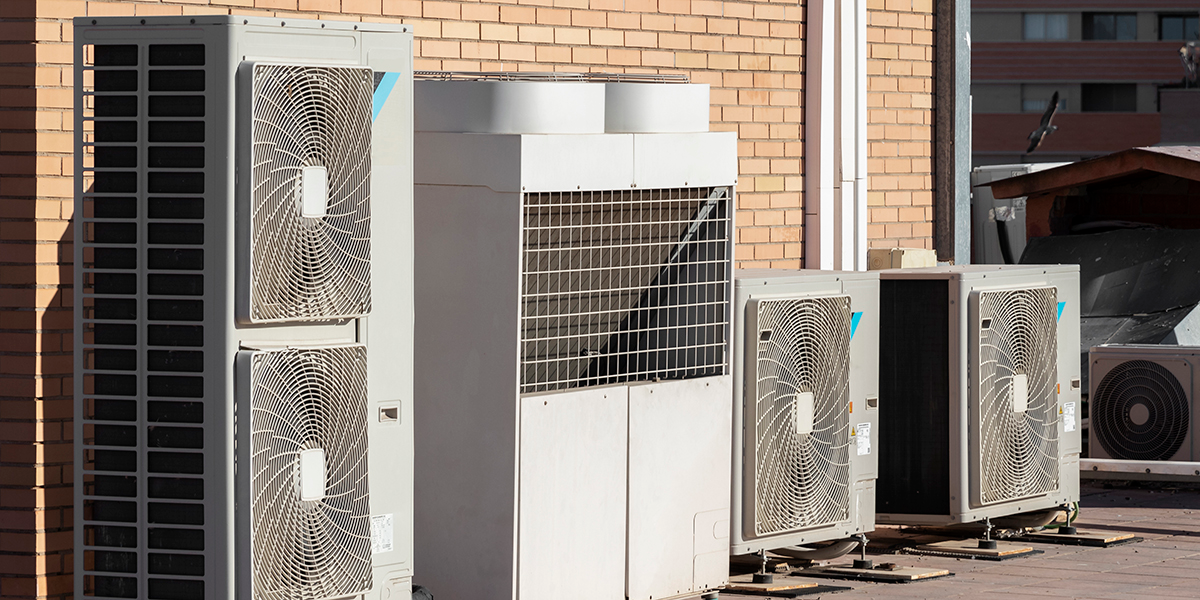
The outdoor condenser sheds the heat your AC pulls out of the house. When its coil is caked with cottonwood fluff, grass clippings, or dust — or when shrubs, a deck, or stacked items choke off airflow around it — the system can't reject heat, pressures and temperatures climb, and it trips off on a high-limit before cycling back on. Northern Utah yards produce plenty of cottonwood and dust in summer. Keeping at least two feet of clear space around the unit and gently rinsing the coil helps; a heavily fouled coil or one that keeps overheating needs professional cleaning. This is a core part of a spring AC tune-up.
7. An oversized air conditioner
This one surprises people, because the unit isn't broken at all. An AC that's too large for the home blasts the space cold so quickly that it satisfies the thermostat and shuts off before completing a full cycle — then restarts minutes later. Besides the wear from constant cycling, an oversized unit never runs long enough to wring humidity out of the air, so the house feels clammy even when it's "cold." This is a design problem baked in at installation, which is why a proper load calculation matters. If an oversized system turns out to be the root cause, the real fix is correct sizing on the next replacement rather than a part swap.
What you can safely check yourself first
Before you call anyone, there are a few no-risk checks a homeowner can run. If one of these solves it, you've saved yourself a service call.
- Replace the air filter. If it's dirty, swap it, then let the system run for a few hours (and if the coil was frozen, let it fully thaw first). This alone fixes a surprising share of short-cycling calls.
- Check the thermostat. Put in fresh batteries, set it to "cool," and make sure it isn't in direct sun, above a vent, or next to a heat source. Confirm the fan setting is on "auto," not "on."
- Clear the outdoor unit. Turn the system off, then clear leaves, cottonwood, and debris from around and off the condenser. Trim back plants so there's at least two feet of clearance, and gently rinse the fins with a garden hose (never a pressure washer).
- Look and listen. Check for ice on the refrigerant lines or indoor coil, a breaker that keeps tripping, or any burning smell. If you see or smell any of those, skip the DIY and go straight to a professional.
What you should not do: open up the electrical panel on the unit, add refrigerant, or keep forcing a frozen or breaker-tripping system to run. Those cross the line into work that's either dangerous or likely to make the damage worse.
What short-cycling repairs cost in 2026
Cost depends entirely on the cause, which is exactly why a proper diagnosis pays for itself. Here are typical 2026 ranges for the common culprits. Treat these as ballpark figures — your actual price depends on the equipment, the parts, and how much labor the repair takes.
| Cause | Typical fix | Ballpark cost |
|---|---|---|
| Dirty air filter | Replace filter (DIY) | $10–$40 |
| Thermostat battery / placement | New batteries or relocation | $0–$250 |
| Dirty condenser coil | Professional coil cleaning | $100–$250 |
| Failing run capacitor | Capacitor replacement | $80–$400 |
| Worn contactor | Contactor replacement | $200–$450 |
| Low refrigerant / leak | Leak repair + recharge | $200–$600+ |
| Frozen / leaking evaporator coil | Coil repair or replacement | $600–$2,500 |
| Compressor damage | Repair or system replacement | $1,500+ |
For context, the average AC repair in 2026 runs around $375, with most jobs landing between $250 and $700 — and most straightforward short-cycling fixes fall in that band. The expensive outliers are the ones short cycling is trying to warn you about: a refrigerant leak that's slowly starving the system, or a compressor being ground down by repeated hard starts. Catching it early is what keeps a $200 repair from becoming a $2,000 one. If your system is older and the number climbs, it's worth weighing repair against replacement — our guide on how long an AC lasts in Utah and when to repair vs. replace lays out that math, and our 2026 HVAC replacement cost guide has current pricing.
When AC short cycling is an emergency
Not every short-cycling AC is a five-alarm situation, but some symptoms mean you should shut the system off and call for help right away rather than wait. Treat it as urgent if short cycling comes with any of these:
- A burning, hot-electrical, or acrid smell — turn it off at the thermostat and call a pro; this can indicate a failing motor or wiring.
- A breaker that keeps tripping. A breaker trips to protect you. Resetting it repeatedly is a fire and equipment risk — stop and get it diagnosed.
- Ice on the unit or refrigerant lines. Running a frozen system can send liquid refrigerant back to the compressor and destroy it.
- No cooling during a heat wave. When the house is climbing past a safe temperature and the system can't keep up, indoor heat becomes a health issue for kids, older adults, and pets. Our Utah heat-wave AC emergency guide covers how to stay safe while you wait.
Even when none of those are present, don't let mild short cycling ride for weeks. Every extra day of hard cycling is more wear on the compressor. If it's been going on more than a day or two, book a diagnosis. Salmon HVAC offers 24/7 emergency HVAC service across Davis, Weber, Salt Lake, and Morgan counties for the situations that can't wait.
How to prevent short cycling in the first place
Most short-cycling causes trace back to neglected maintenance or a system that wasn't set up right. A little routine care prevents the majority of them:
- Change your filter on schedule — every 1–3 months, more often during dusty or smoky stretches.
- Book an annual tune-up before cooling season so a technician checks refrigerant charge, cleans the coils, tests the capacitor, and verifies airflow. See our spring AC tune-up checklist.
- Keep the outdoor unit clear of plants, cottonwood, and clutter all season.
- Size it right at replacement. If you're putting in a new system, insist on a proper load calculation so you don't inherit an oversized-unit cycling problem for the next 15 years.
If your AC is short cycling right now, the smartest move is a professional diagnosis before the compressor takes the hit. Our team handles AC repair throughout Northern Utah — from Salt Lake City to Ogden — and we'll tell you honestly whether it's a $150 part or a bigger decision.
Stop the Cycling Before It Costs You a Compressor.
Salmon HVAC has kept Northern Utah comfortable since 1979. Get a fast, honest diagnosis and a fair quote — no pressure, no upsell.
Frequently Asked Questions
What does it mean when my AC short cycles?
Short cycling means your air conditioner turns on, runs for only a few minutes, shuts off, and then quickly starts again — often several times an hour. A healthy central AC in Utah's summer heat should run in cycles of roughly 10 to 20 minutes, a few times per hour. Cycles shorter than about 10 minutes, especially when they repeat every few minutes, are a sign something is wrong. Short cycling wastes energy, wears out the compressor, and usually means the home never gets evenly comfortable.
Is AC short cycling an emergency?
Not always, but it should never be ignored. If short cycling is paired with a burning or electrical smell, a tripping breaker, ice on the refrigerant lines, or the system won't cool during a heat wave, treat it as urgent and shut the system off at the thermostat until a technician can look at it. Even mild short cycling should be diagnosed within a few days, because the repeated hard starts steadily damage the compressor — the single most expensive part of the system to replace.
Can a dirty air filter cause short cycling?
Yes. A clogged air filter is one of the most common and easiest-to-fix causes. When the filter is dirty, airflow across the indoor evaporator coil drops, the coil can freeze over, and the system trips off on a safety limit or overheats and cuts out early. In dusty Northern Utah homes, filters can clog faster than the calendar suggests. Check your filter first; if it's gray and matted, replace it and give the system a few hours to recover before assuming the worst.
How much does it cost to fix an AC that keeps turning on and off?
It depends entirely on the cause. Simple fixes like a new air filter or a thermostat battery are $10 to $40. Electrical parts such as a run capacitor typically run about $80 to $400, and a contactor about $200 to $450 installed. A refrigerant leak repair with recharge is often $200 to $600, though a leaking evaporator coil can cost far more. Compressor problems are the worst case and often push homeowners toward replacement. Most straightforward short-cycling repairs land in the $150 to $600 range.
Can an oversized air conditioner cause short cycling?
Yes, and it's a frequently missed cause. An AC that is too large for the home cools the space so fast that it satisfies the thermostat and shuts off before it has run long enough to pull humidity out of the air or reach a steady state. It then restarts a few minutes later, cycling repeatedly. This is a design problem, not a broken part, and it's why proper load calculation and sizing at installation matter so much. If an oversized unit is the culprit, the long-term fix is correct sizing on the next replacement.