If you've gotten an HVAC service quote in the past year and wondered why it seemed higher than expected, refrigerant is likely part of the answer. Starting January 1, 2025, manufacturers could no longer produce new residential air conditioning equipment designed to use R-410A — the refrigerant that's been standard in US homes for about 15 years. That's a significant industry shift, and we've had a lot of homeowners across Davis, Weber, and Salt Lake counties asking us what it actually means for them.
The short version: if your existing system runs on R-410A, you don't have to replace it because of this rule. But there are real cost implications you should understand before your next repair, and if your system is getting older, the timing matters. Here's the plain-language breakdown.
A Quick History: How We Got Here
Air conditioning refrigerants have been through two major transitions in recent decades, and we're now in the middle of a third.
R-22 (Freon): The old standard for residential AC systems, used widely through the 1990s and 2000s. R-22 was phased out under the Montreal Protocol because of its ozone-damaging properties. Production and import were banned in the US starting January 1, 2020. Systems still running on R-22 can only be serviced with reclaimed or recycled refrigerant, which has become expensive — often $50 to $150 per pound or more, depending on current availability.
R-410A (Puron): The replacement that became the industry standard through the 2010s. Higher efficiency than R-22, easier on the ozone layer, and widely available — until recently. R-410A has a high global warming potential (GWP of 2,088), which put it in the crosshairs of the EPA's American Innovation and Manufacturing (AIM) Act of 2020. Under that law, manufacturers were required to phase down production of high-GWP refrigerants and transition to lower-GWP alternatives for new equipment.
R-454B and other A2L refrigerants: The new standard. Starting January 1, 2025, new residential AC equipment must use lower-GWP refrigerants — most commonly R-454B (sold as Puron Advance by Carrier) or R-32. These are classified as A2L refrigerants, meaning they are mildly flammable, which has required updated equipment designs, new safety standards, and updated service practices for technicians.
How to Find Out What Refrigerant Your System Uses
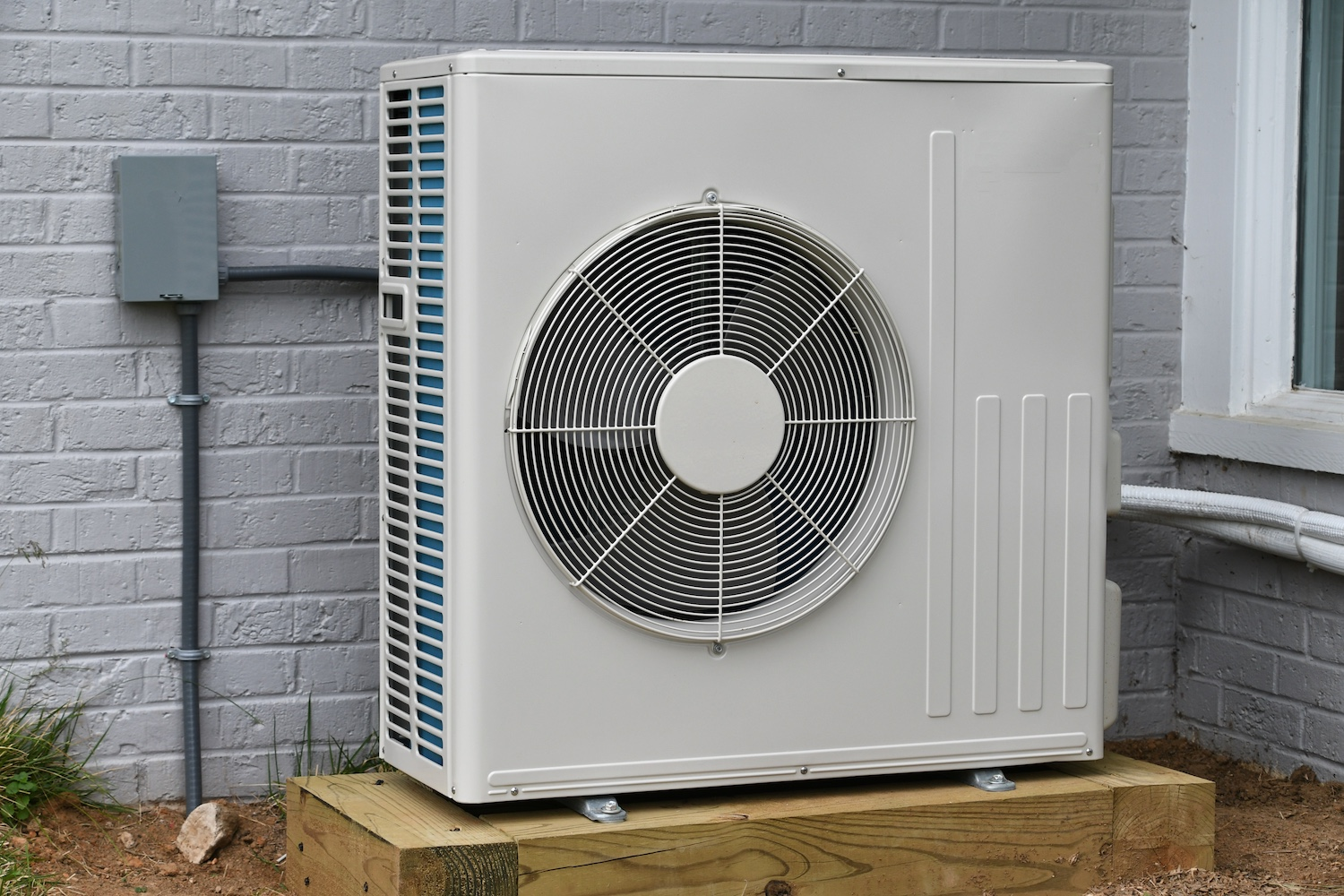
You don't need to call anyone to find out. Look for the yellow Energy Guide sticker or the data plate on your outdoor condenser unit — the metal box outside your home. It will list the refrigerant type directly. You can also check your original installation paperwork or any past service records.
As a general rule by installation year:
- Installed before roughly 2010: Likely R-22. These systems are 15+ years old and approaching or past their expected lifespan for Utah's climate.
- Installed between 2010 and 2024: Almost certainly R-410A. This is the most common situation for homes across Centerville, Bountiful, Layton, Kaysville, and the surrounding communities.
- Installed after January 2025: Uses an A2L refrigerant — most commonly R-454B or R-32.
I Have an R-410A System. Do I Have to Replace It?
No — and this is the most important thing to understand. The EPA's rule applies to the manufacture of new equipment, not to existing systems in the field. Your R-410A system can legally continue to be serviced, repaired, and recharged with R-410A refrigerant. There is no deadline by which you must replace it.
What has changed is the cost environment. Because manufacturers are no longer building R-410A equipment and production is being phased down, the supply of R-410A refrigerant is tightening. We're already seeing higher per-pound costs compared to a few years ago, and that trend will continue as the phasedown progresses. A refrigerant recharge that cost a certain amount in 2022 will cost more in 2026 and more still in 2028.
This doesn't mean you should panic-replace a well-functioning system. But it does change the math on repair decisions for systems that are already aging.
How This Affects Repair Decisions Right Now
The most direct impact you'll feel as a Utah homeowner is on refrigerant-related repairs. If your system has a refrigerant leak, the technician has to recover the old refrigerant, repair the leak, and recharge the system. The cost of that recharge is higher now than it was two or three years ago, and it will continue to rise.
For a system that's 8 to 10 years old and otherwise in good shape, a refrigerant repair still makes sense in most cases. For a system that's 14 or 15 years old, already had one or two repairs, and now needs a refrigerant recharge on top of it, you're spending rising money on a system that's nearing the end of its useful life in Utah's climate. The replacement conversation becomes worth having sooner.
A practical way to think about it: apply the same $5,000 Rule we use for other repair decisions. Multiply the system's age by the cost of the repair. If the result is above $5,000, replacement typically makes more financial sense than repair. With R-410A recharge costs rising, that threshold gets reached earlier than it used to.
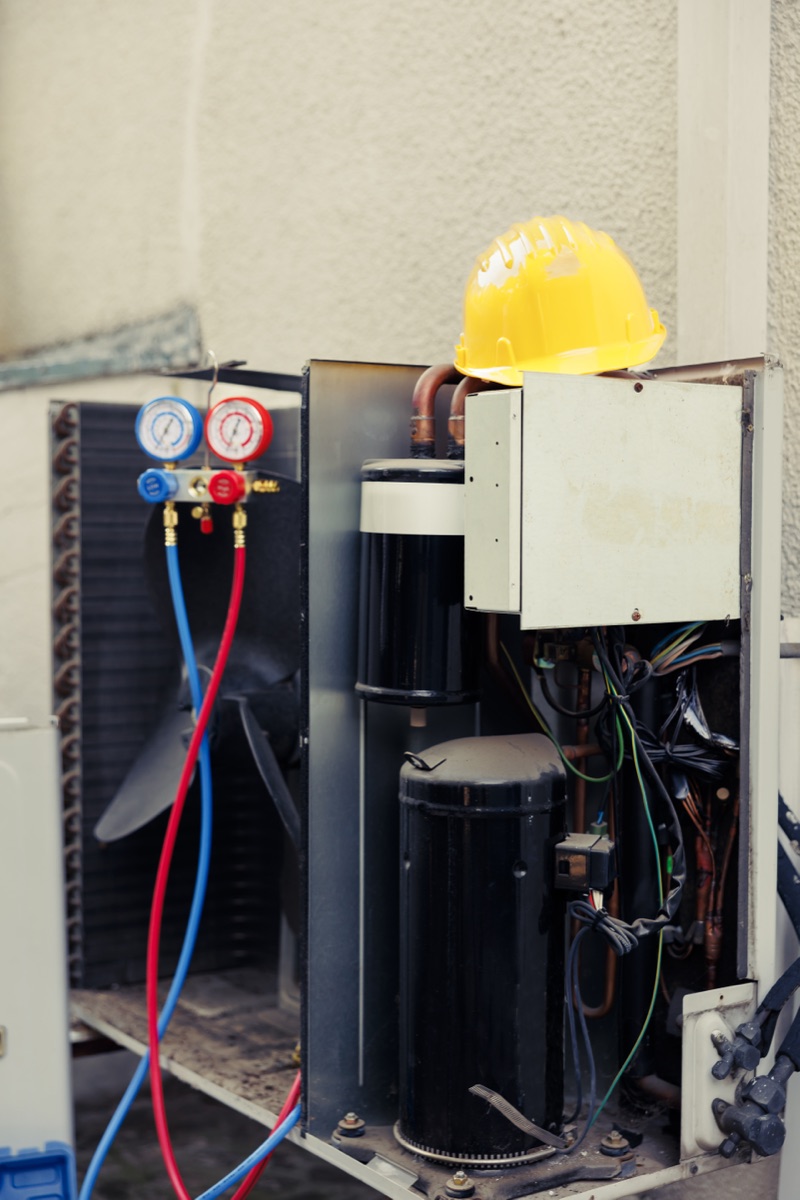
One thing that has not changed: R-410A and the new A2L refrigerants like R-454B are not interchangeable. They cannot be mixed. A technician cannot top off your R-410A system with R-454B. Each requires its own equipment, tools, and handling procedures. Any contractor who suggests mixing refrigerants is not someone you want servicing your system.
Still on R-22? Here's Where Things Stand
If your system uses R-22, the situation is more urgent. R-22 production and import have been banned since January 2020, which means only reclaimed refrigerant is available — and in limited quantities at high prices. We've seen R-22 costs reach $100 per pound or more depending on market conditions.
A system old enough to use R-22 is also typically 15 to 20+ years old. At that age, efficiency is well below what modern equipment offers, parts availability is declining, and the cost of a meaningful refrigerant recharge can easily approach the cost of replacement. Most Utah homeowners we work with who are still on R-22 are better served by replacing the system, especially since a new installation can qualify for Rocky Mountain Power Wattsmart rebates that offset a meaningful portion of the cost.
What to Expect With New R-454B Equipment
If you're replacing your system — whether because of age, a failed component, or a deliberate upgrade decision — you'll receive a system using R-454B or another A2L refrigerant. Here's what that actually means for you as a homeowner:
Higher upfront equipment costs, offset by efficiency gains. New A2L systems required manufacturers to redesign equipment to safely manage the mildly flammable refrigerant. That engineering cost, combined with new tooling and training across the supply chain, has pushed new equipment prices somewhat higher than comparable R-410A equipment was at the same point in the market. However, new systems are also significantly more efficient — higher SEER2 ratings mean lower monthly energy costs over the system's 15-to-20-year lifespan. For many homeowners in Northern Utah, the efficiency savings close that gap within five to seven years.
Safe in your home. A2L refrigerants are classified as mildly flammable, but context matters. The concentration required to ignite is very high — far higher than what would ever realistically occur in a home HVAC system under normal or even failure conditions. The new equipment standards specifically account for the A2L classification. Thousands of homes across the country have had these systems installed since early 2025 without incident. Your Salmon HVAC technician is trained on A2L equipment and safety protocols.
No special maintenance required on your end. From a homeowner perspective, living with an R-454B system is no different than living with an R-410A system. You change filters on the same schedule, schedule tune-ups the same way, and operate your thermostat exactly as before. The differences are all at the equipment and service level, not at the homeowner level.
Rocky Mountain Power Wattsmart Rebates for New Systems
If you're a Rocky Mountain Power customer and you're replacing an older system — whether that's an R-22 unit that's past its useful life or an aging R-410A system — qualifying new installations may be eligible for rebates through the Wattsmart Homes program. The current program offers up to $2,000 cash back for qualifying heat pump installations, and various rebates for other high-efficiency HVAC upgrades. Applications must be submitted within 90 days of project completion through the Wattsmart portal.
For homeowners who are also Enbridge Gas (formerly Dominion Energy) customers and are making weatherization improvements alongside the HVAC upgrade, ThermWise rebates can stack on top of the Wattsmart rebate. Between both programs, a Utah homeowner replacing an aging system with a qualifying new unit can recover a meaningful portion of the upfront cost in direct rebates.
Salmon HVAC is familiar with both programs and can help you confirm whether your planned installation qualifies and what documentation your invoice needs to include for a smooth rebate application. See our full guide to Utah heat pump rebates and incentives in 2026 for a complete breakdown.
What to Do Right Now
If your system is running well and under 12 years old, the primary action item is awareness: understand what refrigerant you have, know that repair costs may be somewhat higher than they were a few years ago, and keep up with annual spring tune-ups so small issues don't turn into refrigerant-related problems.
If your system is 13 years or older, or if you've had one or more significant repairs in the past few years, now is a good time to have a straightforward conversation about the numbers. We can tell you what your system's current condition looks like, what a repair would cost versus a replacement, and what rebates you'd qualify for on a new system. That conversation costs nothing and gives you a clear picture before you're making the decision under pressure on a 95-degree July afternoon.
If your system uses R-22, we'd recommend scheduling a replacement consultation before summer. Demand for AC installation and repair in Northern Utah peaks in June and July, and lead times extend. Getting ahead of that now — when our schedule is more open and you have options — is almost always the right call.
Frequently Asked Questions
Does my existing R-410A air conditioner need to be replaced because of the new refrigerant rules?
No. The EPA's 2025 rule only banned the manufacture of new equipment designed to use R-410A. Your existing system is not affected and can continue to be serviced. You only face a replacement decision if your system needs a major repair that no longer makes financial sense given rising refrigerant costs and equipment age.
What refrigerant do new air conditioners use in 2026?
New residential AC systems manufactured after January 1, 2025 use A2L refrigerants, most commonly R-454B (sold as Puron Advance) or R-32. These have a much lower global warming potential than R-410A.
Can I add R-454B refrigerant to my R-410A air conditioner?
No. R-454B and R-410A are not interchangeable and cannot be mixed. Each requires different equipment, oil, and service tools. Any technician suggesting you mix refrigerants is not someone you want working on your system.
Why is R-410A refrigerant more expensive now?
Under the EPA's AIM Act HFC phasedown, domestic production allowances for R-410A have been progressively reduced since 2022. Lower supply against continued service demand from existing systems has pushed per-pound costs higher. This trend is expected to continue as the phasedown progresses through the late 2020s.
How do I know what refrigerant my Utah air conditioner uses?
Check the yellow Energy Guide label or the data plate on your outdoor condenser unit. As a general rule: systems installed before 2010 typically use R-22; systems installed between 2010 and 2024 almost always use R-410A; systems installed after January 2025 use a newer A2L refrigerant like R-454B.
My AC uses R-22. What are my options?
R-22 production and import have been banned since January 2020. Only reclaimed refrigerant is available at high cost — often $50 to $150 per pound or more. For most Utah homeowners with R-22 systems, replacing the system is more financially sound than continuing to recharge an aging unit at those prices. Qualifying new systems may also be eligible for Rocky Mountain Power Wattsmart rebates.
Are new R-454B air conditioners more expensive than older R-410A systems?
Somewhat, yes. New equipment required design changes to safely handle A2L refrigerants, which added cost. However, new systems are also significantly more efficient (higher SEER2 ratings), and Rocky Mountain Power Wattsmart rebates can offset part of the upfront investment for qualifying installations.
Not Sure Where Your System Stands? We Can Tell You.
We've been servicing HVAC systems in Davis, Weber, Salt Lake, and Morgan counties since 1979. If you're uncertain about what refrigerant your system uses, whether a repair makes sense, or what a replacement would realistically cost with current rebates factored in, give us a call or request a free estimate. We'll give you a straight answer — no pressure, no upsell.