
Published May 11, 2026 • 8 min read
- Extending existing ductwork to a room addition usually degrades comfort in the rest of your home — a dedicated system for the new space is almost always the better choice
- Ductless mini-split heat pumps are the standard solution for room additions and ADUs: no new ductwork, both heating and cooling from one unit, and independent temperature control
- Detached ADUs and garages require a fully independent system — they cannot share an existing HVAC unit
- Finished basements often benefit from a dedicated mini-split rather than relying on the home's central system to reach below-grade spaces
- Modern cold-climate mini-splits operate reliably in Utah winters — down to temperatures that northern Utah rarely reaches
- Mechanical permits are required for all HVAC additions in Utah; licensed contractors handle this as part of the installation
Why Your Existing HVAC System Can't Simply Be Extended
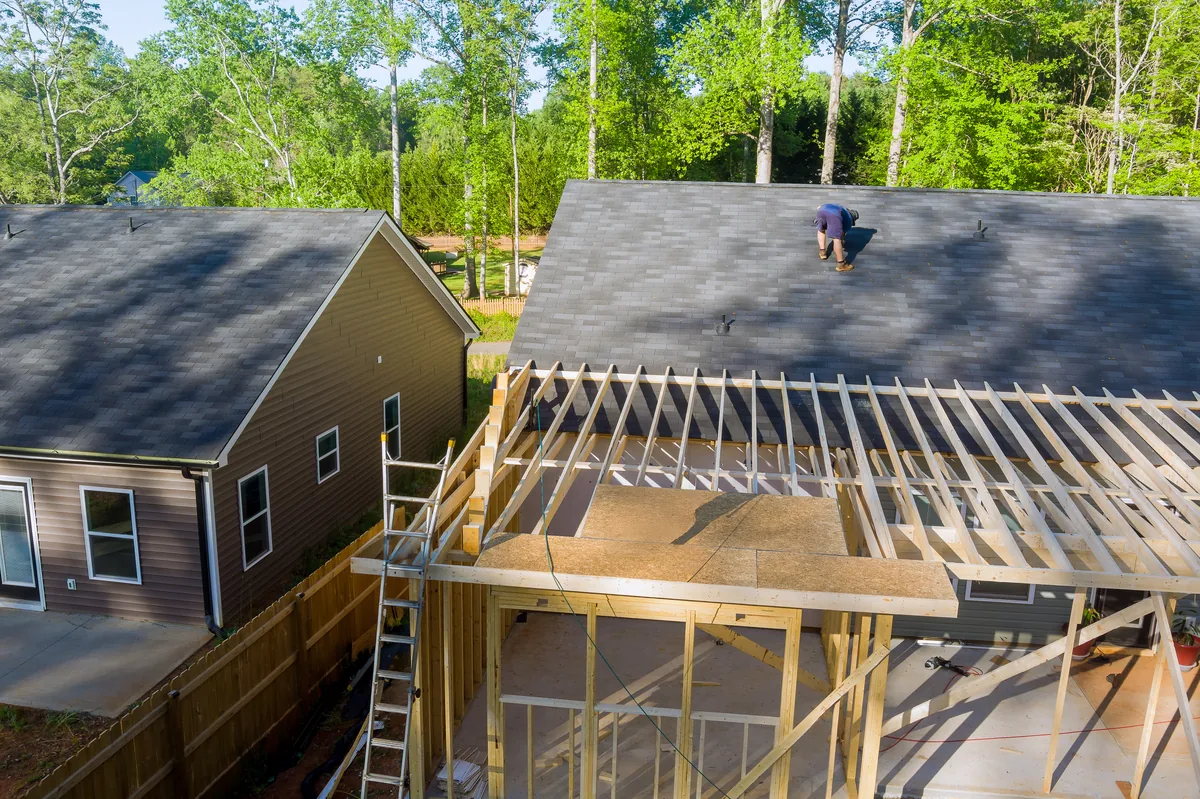
When homeowners add square footage — whether a sunroom, a bonus room above the garage, a finished basement, or a full addition — the instinct is often to extend the existing duct system. It's already there, it's already paid for, and it seems simpler than installing something new. In practice, this approach creates more problems than it solves.
Residential HVAC systems are sized using a Manual J load calculation that accounts for the home's specific square footage, insulation levels, window area, and orientation at the time of installation. Adding new duct runs draws conditioned air away from the existing branch circuit, reduces static pressure throughout the system, and forces rooms farther from the air handler to compete for airflow with the new space. The result is predictable: the new addition is never quite comfortable, and rooms elsewhere in the home that used to be fine start running warmer in summer or cooler in winter.
There's also a capacity question. Most systems are sized close to — or at — what the home's load requires. Adding 300 to 600 square feet of conditioned space without upgrading the equipment means the existing unit now has to handle a load it wasn't designed for. It runs longer, works harder, and wears faster. Utility bills go up, and the equipment lifespan shortens.
In the cases where extending ductwork is considered, an HVAC contractor needs to perform a new load calculation on the combined space, verify that the existing equipment has sufficient capacity, and re-balance the entire duct system afterward. It is rarely as simple as adding a vent and calling it done.
Ductless Mini-Splits: The Standard Answer for Room Additions
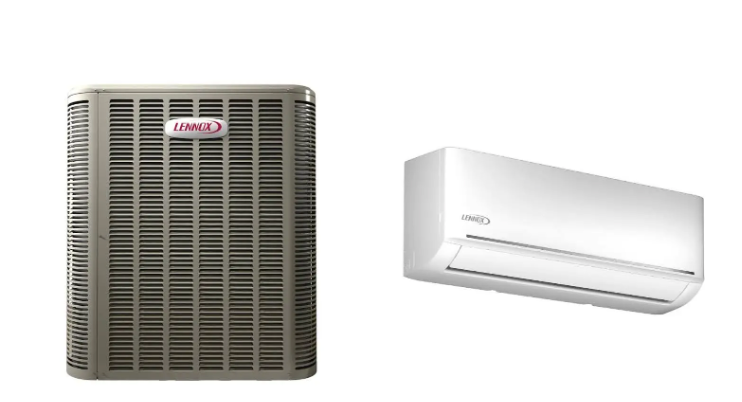
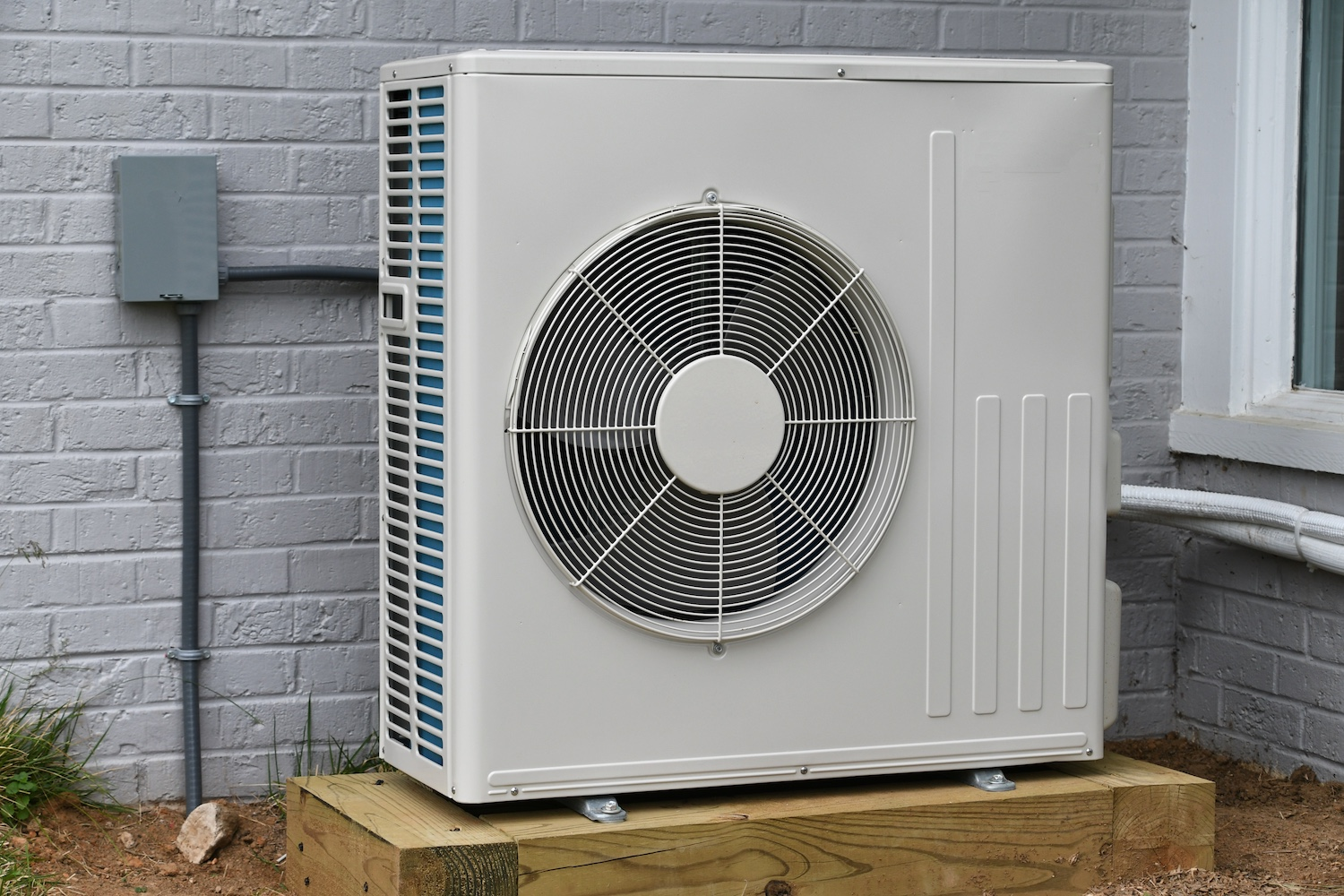
A ductless mini-split system consists of a small outdoor compressor unit and one or more wall-mounted indoor air handlers connected by refrigerant lines run through a small hole in the wall. No ductwork required. The indoor unit mounts high on the wall and delivers conditioned air directly to the space it serves, with its own thermostat control independent of the rest of your home.
For room additions, this solves every problem that duct extension creates. The new space gets its own dedicated capacity — correctly sized for that room's load — without pulling anything away from the existing system. The rest of your home continues to operate exactly as it did before. The new space has independent temperature control, which is particularly useful for a guest suite, home office, or in-law apartment where occupants may have different comfort preferences from the rest of the household.
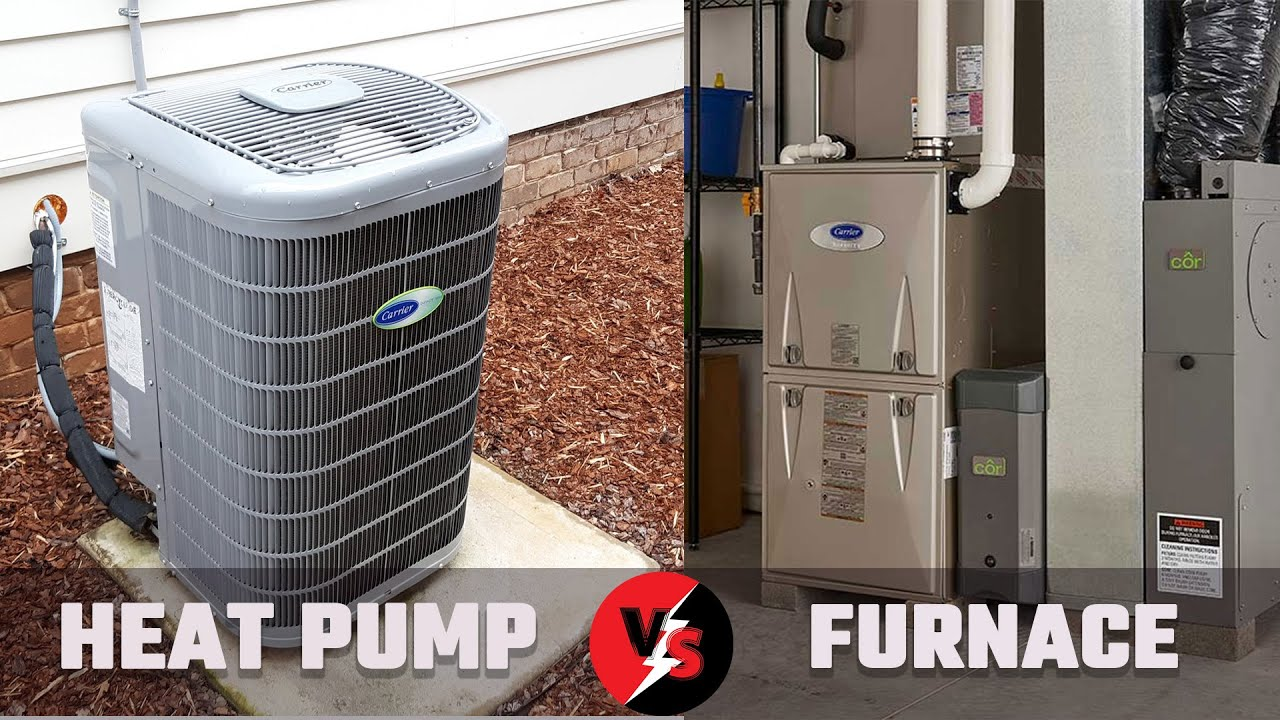
Mini-splits are heat pumps, which means a single unit provides both heating and cooling. In northern Utah, where summers regularly reach 95–100°F and winters push well below freezing, having one system that covers the full range of temperatures matters. You do not need a separate furnace or baseboard heaters for the new space — the mini-split handles both seasons.
Multi-Zone Systems: When You're Adding More Than One Space
A single outdoor compressor unit can support multiple indoor air handlers through a multi-zone mini-split configuration. This is the right approach when a project adds several distinct spaces that each need independent control — for example, a garage conversion that includes both a main living area and a separate bedroom, or a large addition with a family room and a home office.
Multi-zone systems are more cost-effective than installing separate single-zone units for each room, since the outdoor compressor is shared. They also allow each room's indoor unit to operate independently — one zone can be heating while another is cooling, or one can be off entirely while others run. For a northern Utah home where one addition might face south with significant solar gain while another faces north, this independence is meaningful.
For very large additions or accessory dwelling units that need to serve multiple rooms through a duct system — rather than individual wall-mounted heads — a small-duct high-velocity air handler connected to a heat pump outdoor unit is another option worth discussing. It functions more like a traditional central system but is sized for the new space only, with compact, flexible duct runs appropriate for tight framing cavities in an addition.
Detached ADUs and Garage Apartments: Independent Systems Only
Utah's strong ADU growth — driven by state legislation that has made it easier for cities to permit accessory dwelling units since 2021 — means more homeowners in Centerville, Bountiful, Kaysville, and across Davis and Weber counties are adding detached units on their properties. From a heating and cooling standpoint, detached structures are a different category from attached additions.
A detached ADU or garage apartment cannot share the main home's HVAC system in any practical sense. Running refrigerant lines or ductwork across a gap between structures — even a short one — introduces significant heat loss, code complexity, and maintenance difficulty. The correct approach is a fully independent system installed for the ADU itself.
A single-zone ductless mini-split heat pump is the most common and cost-effective solution for a studio or one-bedroom ADU up to roughly 600–700 square feet. For larger ADUs with multiple rooms, a multi-zone mini-split or a standalone heat pump with a compact air handler covers the full floor plan. The independent system also simplifies utility metering if you intend to rent the ADU — the tenant's heating and cooling use is separate from the main home's.
Finished Basements: Special Considerations
Finishing a basement in northern Utah raises a specific set of HVAC questions. Basements are below grade, which provides natural insulation — ground temperatures in Davis and Weber counties stay in the 50–55°F range year-round, which means basements require significantly less heating capacity than above-grade spaces of equal size. They also tend to stay cooler in summer, sometimes to the point that cooling is minimal or unnecessary.
Many older northern Utah homes have existing duct runs that pass through the basement ceiling on their way to upper floors. It is tempting to simply add registers to these existing runs to serve the finished basement. The same cautions apply as with any duct extension — if the system has spare capacity and proper duct sizing, it may work. If the system is already carrying a full load, adding basement registers will pull air away from upper floors and leave both levels underserved.
A ductless mini-split is a clean solution for finished basements that want independent temperature control. Because basements are well-insulated by the surrounding earth, a smaller-capacity unit often suffices — a 9,000 BTU or 12,000 BTU unit can comfortably handle most finished basement spaces in the 600–900 square foot range. The system also provides dehumidification in summer months, which matters in below-grade spaces where humidity can accumulate even in Utah's generally dry climate.
For basements that will serve as bedrooms — a common configuration in northern Utah — Utah code requires that bedrooms have a direct source of heat. A mini-split satisfies this requirement; relying on passive airflow from an upstairs system does not.
Do Mini-Splits Actually Work in Utah Winters?
This is the question we hear most often from homeowners considering a mini-split for a room addition or ADU. The short answer is yes — and modern cold-climate models extend the reliable operating range well past what Utah's worst winters produce.
Standard mini-split heat pumps are rated to maintain heating capacity down to around 5°F outdoor temperature. Cold-climate models from manufacturers like Daikin maintain rated capacity to -13°F and can operate (at reduced efficiency) down to -22°F. Davis County's record lows are in the -10°F to -15°F range; Weber County's average January lows are in the mid-teens. For the Wasatch Front, even standard mini-splits provide reliable winter heating. For Ogden Valley, Morgan County, and other higher-elevation areas where record lows are more extreme, cold-climate models are the appropriate specification.
The heat pump operating principle does become less efficient as outdoor temperatures drop — a unit that delivers 3 BTU of heat for every 1 BTU of electricity consumed at 40°F delivers less at 5°F. But efficiency at 5°F still typically outperforms electric resistance heat (baseboard heaters), which operates at exactly 1:1. For an ADU or addition where electric resistance would otherwise be the fallback, a heat pump mini-split saves meaningfully on operating costs across a Utah winter.
Learn more about how heat pumps perform in Utah winters, including specific efficiency data for our climate zone.
What to Expect on Cost and Timeline
For a single-zone ductless mini-split serving a typical room addition or finished basement in northern Utah (200–700 sq ft), installed cost generally runs $2,500–$5,000. This includes the outdoor condenser unit, the wall-mounted indoor air handler, refrigerant line set, electrical disconnect, and labor. The electrical circuit for the unit — typically a 240V/20A or 240V/30A circuit — runs an additional $300–$700 if your electrician needs to run wire from the panel to the new location.
Multi-zone systems for larger additions or full ADUs with two to four zones run $5,000–$12,000 installed, depending on the number of indoor units, the total system capacity, and the complexity of the line-set routing. These figures are for the HVAC equipment and labor; they do not include any framing, drywall, or finish work around the installation.
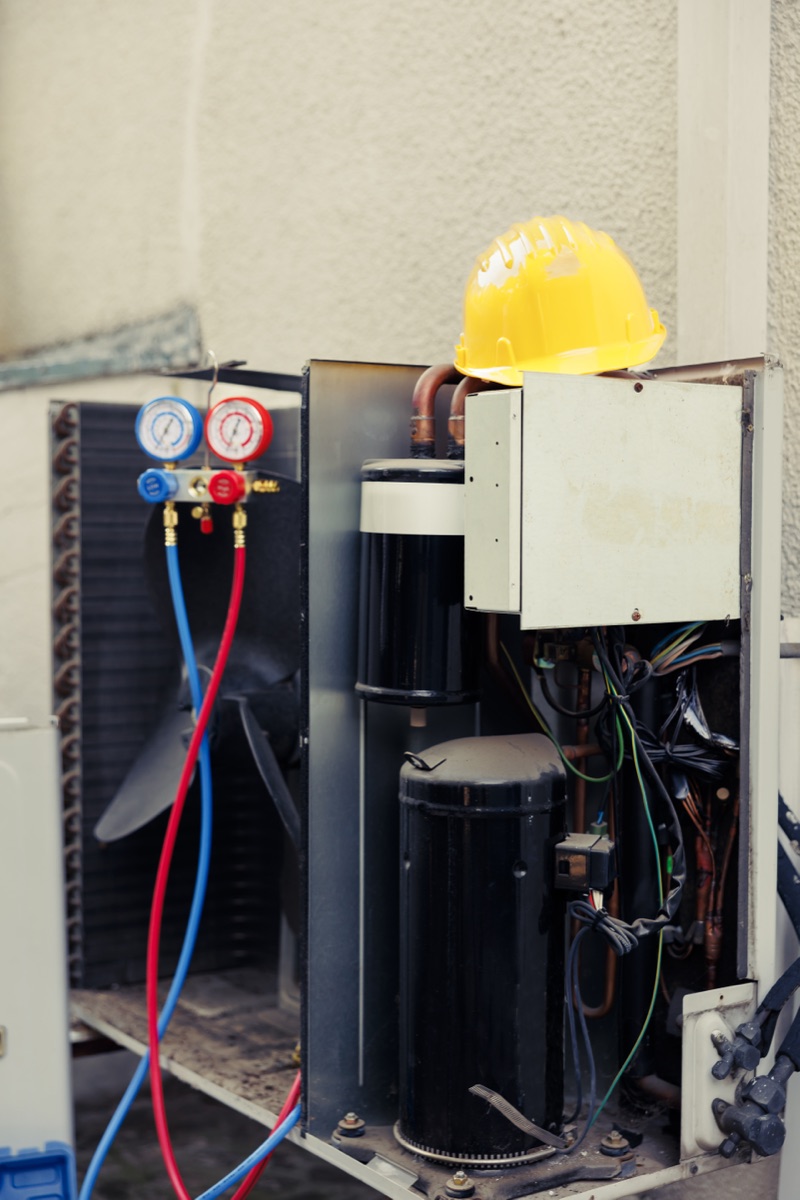
Timeline from scheduling to completed installation is typically one to two days for a single-zone system, two to three days for a multi-zone installation. Mechanical permits are pulled before work begins and inspection is scheduled after — in most Davis and Weber County cities, inspection is completed within a few business days of the installation finishing.
Financing is available for HVAC additions and ADU systems. See our financing options if you'd prefer to spread the cost across monthly payments.
Planning a Room Addition or ADU?
Salmon HVAC installs ductless mini-split and heat pump systems for room additions, finished basements, and ADUs throughout Davis, Weber, and Salt Lake counties. We'll assess the space, specify the right system, and handle permits — so the HVAC side of your project is one less thing to manage.
Frequently Asked Questions
Can I extend my existing ductwork to a room addition?
In most cases, no — not without degrading comfort in the rest of your home. Residential HVAC systems are sized for a specific square footage. Adding new duct runs reduces system pressure and pulls conditioned air away from existing rooms. If your existing system is already near capacity, extending it also means the equipment handles a load it wasn't designed for. A ductless mini-split dedicated to the new space avoids these problems entirely.
What is the best HVAC option for a detached ADU or garage apartment in Utah?
A single-zone ductless mini-split heat pump is the standard answer. It provides both heating and cooling with no ductwork, operates efficiently in Utah winters, and creates a fully independent system that can be metered separately from the main home. For ADUs over 800 square feet with multiple rooms, a multi-zone mini-split or a small-duct air handler may be worth considering.
How much does it cost to add HVAC to a room addition in Utah?
A single-zone ductless mini-split for a typical room addition (200–700 sq ft) runs $2,500–$5,000 installed in northern Utah, including equipment and labor. Multi-zone systems for larger additions or full ADUs run $5,000–$12,000 depending on the number of zones and system capacity. A new electrical circuit adds $300–$700 if needed.
Do ductless mini-splits work in Utah winters?
Yes. Modern cold-climate mini-split heat pumps operate reliably down to -13°F to -22°F outdoor temperature — well beyond what the Wasatch Front typically produces. Standard models rated to 5°F cover most of Davis and Weber County winter conditions. Cold-climate models are recommended for Ogden Valley, Morgan County, and other higher-elevation areas with more extreme lows.
Do I need a permit to add HVAC to a room addition in Utah?
Yes. Mechanical permits are required for new HVAC installations in Utah. Your contractor pulls the permit before work begins — in northern Utah's cities, mechanical permits are typically processed within a few business days. Utah also requires licensed contractors for HVAC installations, so DIY mini-split installation does not meet code and may affect your homeowner's insurance coverage.