Published April 15, 2026 • 8 min read
Key Takeaways
- Zoning is one of the best fixes for hot second floors, cold basements, and rooms that are never comfortable.
- Most zoning retrofits in northern Utah fall in the $2,500–$6,500 range, depending on home layout and number of zones.
- The best candidates are multi-story homes, homes with large west-facing glass, and households with different comfort preferences.
- Proper design matters: dampers, static pressure control, and equipment compatibility determine long-term performance.
- Zoning can improve both comfort and efficiency when paired with good duct sealing, insulation, and smart thermostat setup.
If you have ever wondered why your upstairs bedrooms feel 6–10 degrees warmer than your main floor in July, you are not alone. Across Salt Lake, Davis, and Weber counties, uneven temperatures are one of the top comfort complaints homeowners report.
The good news: this is often a distribution problem, not a full-equipment replacement problem. In many homes, an HVAC zoning system can solve uneven comfort and reduce energy waste at the same time.
This guide breaks down what zoning is, what it typically costs in northern Utah, and how to decide whether it is the right investment for your home.
Why Utah Homes Struggle With Uneven Temperatures
Northern Utah homes deal with rapid weather swings, high summer sun load, and long heating seasons. In two-story layouts, that often means upstairs rooms overheat in July while basements stay cool year-round. A single thermostat in a central hallway cannot always represent those different load zones accurately.
That is why many homeowners in Salt Lake City, Bountiful, Layton, and Ogden search for solutions to “hot upstairs, cold downstairs” problems. In many cases, zoning is the most direct way to match HVAC output to how each part of the home is actually used.
What Is HVAC Zoning and How Does It Work?
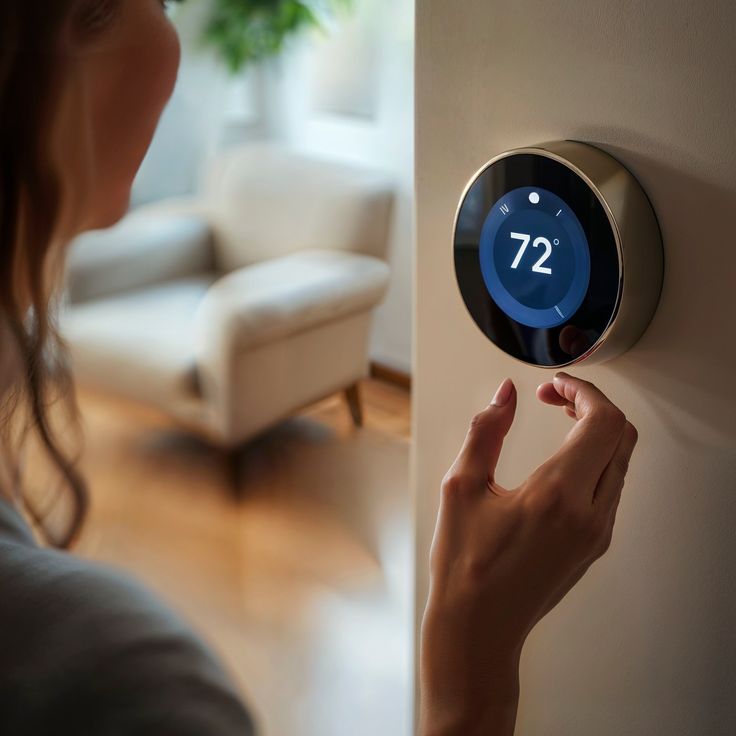
A zoning system divides your home into separate comfort areas (zones), each controlled by its own thermostat. Motorized dampers inside the ductwork open and close based on each zone’s call for heating or cooling.
Instead of conditioning your whole house based on one thermostat location, zone control directs airflow where it is needed. That means fewer hot/cold spots and less over-conditioning of unused rooms.
Who Benefits Most from Zoning in Northern Utah?
- Two-story homes: upstairs absorbs heat faster in summer while lower levels stay cooler.
- Homes with finished basements: basements often run too cool when upper floors are comfortable.
- Large open layouts: solar gain creates different loads by room and time of day.
- Multi-generational households: different comfort preferences can be managed without thermostat conflicts.
If your system runs constantly but some rooms still feel wrong, zoning is often worth evaluating before replacing major equipment.
How Much Does HVAC Zoning Cost in Utah?
For existing homes, most zoning retrofits land between $2,500 and $6,500. Pricing depends on zone count, duct accessibility, and control complexity.
- Two-zone retrofit: often the most affordable and common option
- Three to four zones: higher hardware and setup complexity
- Limited duct access: higher labor due to installation constraints
When bundled with a new HVAC install, zoning is usually more cost-effective because duct and controls can be designed together.
Expected ROI: What Homeowners Usually Notice First
Most homeowners choose zoning for comfort. Energy savings are often a secondary but meaningful benefit.
Zoning tends to provide the best savings when:
- Parts of the home are unoccupied for long periods
- One floor is regularly over-conditioned to satisfy another floor
- It is paired with duct sealing, insulation improvements, and smart scheduling
In practice, most homeowners report better sleep comfort upstairs first, then utility bill improvements over the following cooling and heating seasons.
Common Mistakes to Avoid with Zone Control
- Treating closed vents as zoning: manual vent closing is not engineered zone control.
- Ignoring static pressure: poor design can increase noise and equipment wear.
- Skipping diagnostics: zoning decisions should follow airflow and load data.
- Using zoning to mask insulation issues: major envelope losses still need correction.
Bottom Line for Utah Homeowners
If your home has persistent hot/cold zones, zoning is one of the highest-impact upgrades short of full system replacement. With proper design, it can improve daily comfort and reduce wasted runtime.
For homeowners in Salt Lake City, Bountiful, Layton, Ogden, and nearby communities, the best next step is a professional comfort assessment that includes duct layout, airflow measurements, and zone feasibility.
Frequently Asked Questions
1) What is an HVAC zoning system?
An HVAC zoning system divides your home into independently controlled areas using dampers, thermostats, and a zone control panel.
2) How much does HVAC zoning cost in Utah?
Most retrofit projects are between $2,500 and $6,500, depending on zone count, duct access, and controls.
3) Does zoning really save money?
It can, especially in homes with uneven temperatures or frequently unused spaces. Comfort improvements are usually immediate.
4) Can I add zoning to my current HVAC system?
Usually yes for forced-air systems, but compatibility and pressure management should be verified by a licensed contractor.
5) Is zoning better than closing vents?
Yes. Closing vents manually can increase duct pressure and reduce performance. True zoning is engineered for safe airflow control.
6) How many zones does a typical Utah home need?
Two zones are common for two-story homes; larger homes may benefit from three or four zones depending on layout.
Need Help Solving Hot & Cold Spots in Your Home?
Salmon HVAC serves northern Utah homeowners with practical comfort upgrades, including professionally designed zoning solutions.