
Published July 16, 2026 • 10 min read
- Central air is the best whole-home choice for most Utah houses that already have ductwork — even cooling, out of sight, lower upfront cost than a whole-home ductless system.
- Ductless mini-splits win when there are no ducts, a finished basement or addition, stubborn hot and cold rooms, or you want room-by-room control and top efficiency.
- Window units are the cheapest way to cool one room — great for renters or a short-term fix, but noisy, inefficient, and not a whole-home solution.
- Not sure which fits your home? Salmon HVAC will size it right and quote it honestly. Call (801) 397-0030 or request a free quote.
Northern Utah summers don't leave much room for a wrong guess. When the valley hits triple digits and the sun is baking the west side of the house, the cooling system you chose a few years (or a few weeks) ago is either keeping you comfortable or costing you money and sleep. So before you buy, it's worth understanding the three real options on the table — central air, ductless mini-splits, and window units — and which one actually fits your home.
Here's the short version: if your home already has ductwork in decent shape, central air is usually the simplest, most cost-effective way to cool the whole house. If you don't have ducts, or you're fighting rooms that never get comfortable, a ductless mini-split is often the smarter long-term investment. Window units have their place, but that place is a single room or a rental — not a whole Utah home through July and August. Below, we'll break down each one and help you match it to your situation.
The Three Ways to Cool a Utah Home
All three systems do the same basic job — move heat out of your house — but they do it very differently, and those differences decide which one is right for you.
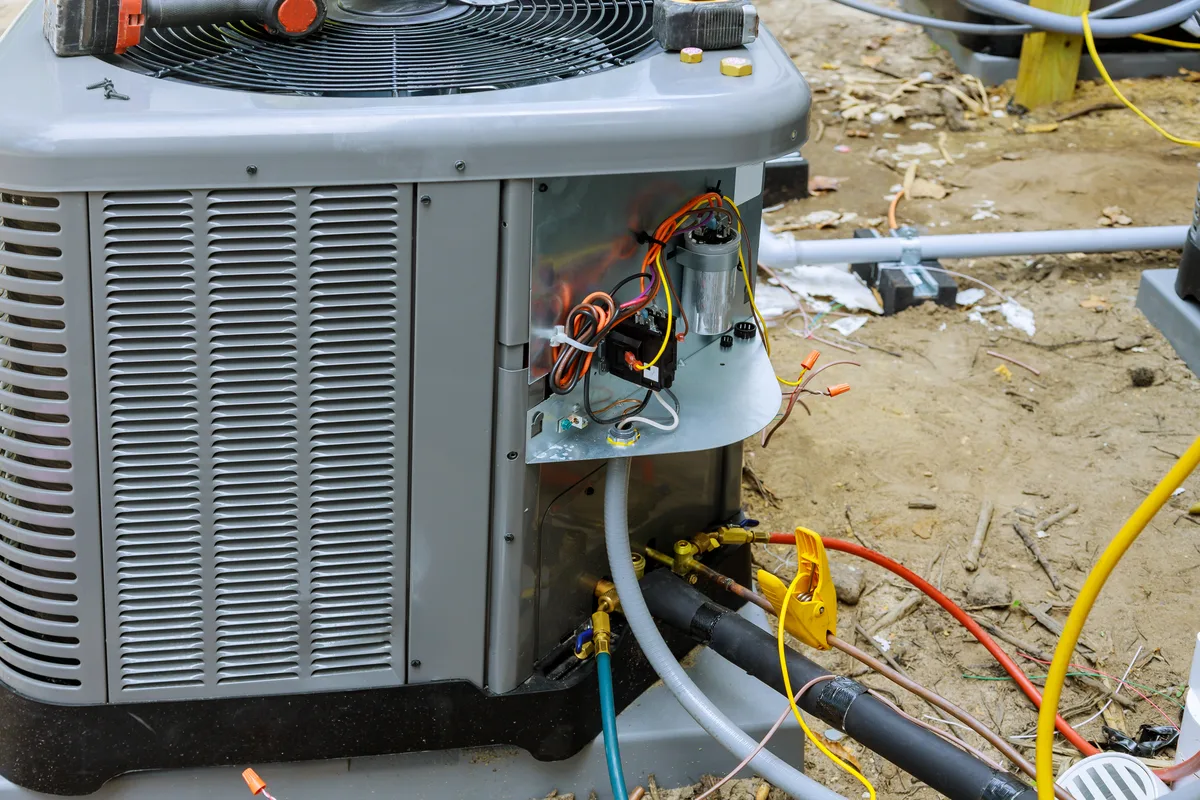
- Central air conditioning uses one outdoor condenser and an indoor coil to cool air, then pushes that air through a network of ducts to every room. It's the "invisible," whole-home standard most Utah homes are built around.
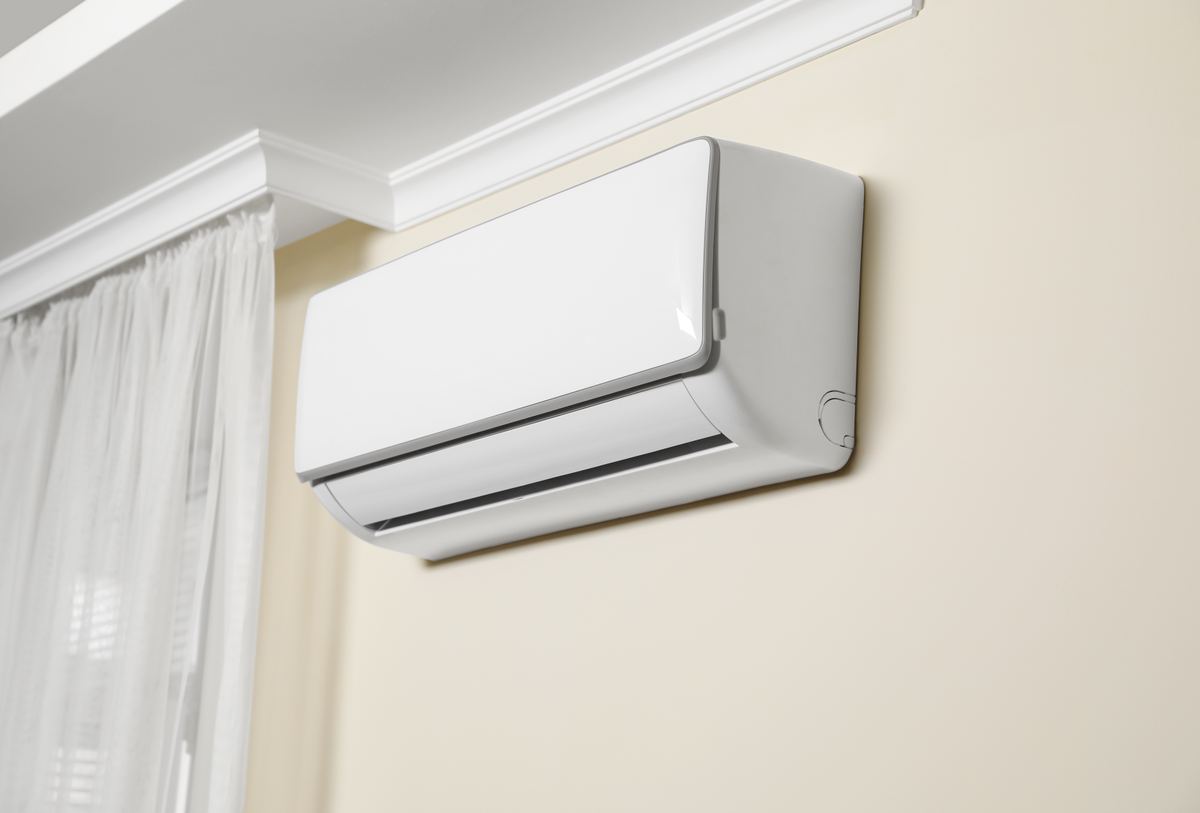
- Ductless mini-splits pair an outdoor unit with one or more wall-, floor-, or ceiling-mounted indoor heads. Each head cools (and heats) its own zone through a small refrigerant line — no ducts required. We go deep on these in our complete guide to ductless mini-splits in Utah.
- Window units are self-contained air conditioners that sit in a window or wall opening and cool the single room they're in. Cheap, portable, and simple — but limited.
Now let's put them side by side.
Mini-Split vs. Central Air vs. Window Units: Side by Side
| Factor | Central Air | Ductless Mini-Split | Window Unit |
|---|---|---|---|
| Coverage | Whole home | Room-by-room zones | One room |
| Needs ductwork? | Yes | No | No |
| Efficiency | High (duct losses apply) | Highest (no duct loss) | Lowest per BTU |
| Zoned control | Limited without add-ons | Excellent, per room | Per unit only |
| Also heats? | No (AC only) | Yes (heat pump) | Some models |
| Noise | Very quiet indoors | Very quiet indoors | Noisy in the room |
| Appearance | Hidden (vents only) | Visible indoor head | Blocks a window |
| Typical lifespan | 12–18 years | 15–20 years | 5–10 years |
| Best for | Ducted whole homes | No ducts / additions / zoning | Renters / one room / temporary |
Those trade-offs are the whole decision in miniature. The rest of this guide is about weighing them against your home.
Central Air: The Whole-Home Standard
For a Utah home that already has ductwork, central air conditioning is hard to beat. One system cools every room, the equipment lives outside and in a closet or basement, and there's nothing to look at inside but a supply vent. On a 100°F day, a properly sized central system holds the whole house at a steady temperature without you thinking about it.
Where central air shines
- Even, whole-home comfort from a single thermostat.
- Nothing visible inside beyond the vents — no wall-mounted heads, no window blocked.
- Lower upfront cost than a whole-home ductless system when usable ducts already exist.
- Pairs with your furnace and shares the same ductwork and air filtration for the whole house.
The catches
- It needs ducts. If your home doesn't have them — common in older Bountiful and Ogden homes with boilers or radiant heat — adding ductwork is expensive and invasive.
- Duct losses. Leaky or poorly insulated ducts can waste 20–30% of the cooling you paid for, and Utah attics get brutally hot.
- Hot and cold rooms. A single-zone system often struggles to keep an upstairs bedroom and a walkout basement equally comfortable. If that's your fight, our guide on why your HVAC isn't cooling evenly and HVAC zoning for Utah homes are worth a read.
Central air is the right default for most ducted Utah homes. When you're ready to install or replace one, our AC installation team sizes it to the house — not a rule of thumb — so you don't end up over- or under-cooled.
Ductless Mini-Splits: Flexible, Efficient, No Ducts Needed
Ductless mini-splits have gone from niche to mainstream in Utah for a reason: they solve problems central air can't. Because each indoor head connects to the outdoor unit through a small line set — needing only a three-inch hole in the wall — you get quiet, efficient cooling and heating in spaces where running ductwork would be a nightmare.
Where mini-splits shine
- Homes with no ductwork. This is the classic case — older homes with boilers, radiant, or baseboard heat that never had a way to add central AC.
- Additions, basements, garages, and ADUs. A single head cools and heats the space ducts never reached. See our guide to HVAC for room additions and ADUs in Utah.
- Room-by-room zoning. Set the bedrooms cooler at night and leave unused rooms off. You only pay to cool what you're using.
- Efficiency. No ducts means none of that 20–30% duct loss, and inverter compressors modulate instead of blasting on and off — often trimming $20–$45 a month off cooling costs versus central air.
- Year-round comfort. A mini-split is a heat pump, so the same unit heats in winter — a real advantage in Utah's swing seasons.
The catches
- Visible indoor heads. Each zone has a unit on the wall (or ceiling). Most people stop noticing them quickly, but they're not invisible like a vent.
- Higher cost to cover a whole house. Cooling every room means multiple heads, and a large multi-zone system can cost more than central air.
- Right-sizing matters. Oversized heads short-cycle and dehumidify poorly. This is a job for a pro, not a big-box guess.
If you're weighing a mini-split for part or all of your home, our ductless mini-split service can walk your space and tell you honestly whether one head, a multi-zone system, or plain central air is the better value.
Window Units: Cheap, Simple, and Limited
There's no shame in a window unit — it's the fastest, cheapest way to cool a single room, and for a lot of situations that's exactly what's needed. If you rent, you're cooling one bedroom, or you need a stopgap until a bigger system goes in, a window AC does the job.
Where window units make sense
- Renters who can't modify the home.
- A single room — a home office, a hot upstairs bedroom, a guest room used a few weeks a year.
- Short-term fixes while you save for or schedule a central or ductless install.
Why they're not a whole-home answer
- One room only. Cooling a whole house would mean a unit in nearly every room.
- Inefficient. Per BTU delivered, window units are the least efficient of the three, and running several adds up fast on a summer power bill.
- Noisy and intrusive. The compressor is in the room with you, and the unit blocks a window and light.
- Security and sealing. A window that won't fully close is an easier entry point and a spot where hot air and dust leak in — worth thinking about for indoor air quality during Utah's dusty, smoky summers.
- Short lifespan. Most last only 5–10 years, versus 15–20 for a quality mini-split.
What Each System Costs in Utah (2026)
Price is usually the deciding factor, so here are realistic 2026 installed ranges for Northern Utah. Your actual number depends on the size of your home, equipment efficiency, and how much work the install involves — but this is the right ballpark to plan around.
| System | Typical cost | What that covers |
|---|---|---|
| Window unit | $150–$800 (unit) | One room; DIY install, or $300–$1,100 with pro install |
| Central air (ducts exist) | $3,500–$7,500 | Whole home, using your current ductwork |
| Ductless mini-split (per zone) | $2,500–$5,000 | One room/zone, cooling + heating |
| Ductless mini-split (whole home, multi-zone) | $6,500–$15,000+ | Several zones covering the house |
| New ductwork (if needed for central) | +$3,000–$8,000+ | Adding or replacing ducts for central AC |
The pattern is clear: with good ducts, central air is usually the cheapest way to cool the whole house. Without ducts, a single-zone mini-split beats a window unit on efficiency and comfort for one space — and once you factor in the $3,000–$8,000+ to add ductwork, a ductless system often becomes the more economical way to bring cooling to a home that never had it. For a fuller breakdown of replacement pricing, see our 2026 Utah HVAC replacement cost guide, and don't overlook available heat pump rebates and tax credits — mini-splits are heat pumps and often qualify. If budget is the hurdle, we also offer financing.
Which Should You Choose? Match It to Your Situation
Instead of a "best" system, think in terms of the best system for your home. Here's how the decision usually shakes out for Northern Utah homeowners.
Choose central air if…
Your home already has ductwork in good shape and you want even, hands-off, whole-home cooling. This is the majority of Utah houses built in the last few decades. It's the lowest-fuss, best-value path when the ducts are already there.
Choose a ductless mini-split if…
Your home has no ducts, you're cooling an addition, basement, garage, or ADU, you have rooms that are always too hot or too cold, or you want maximum efficiency and room-by-room control. A mini-split also makes sense if you want one system that both cools in summer and heats in winter.
Choose a window unit if…
You rent, you only need to cool one room, or you need a temporary fix. Just know it's a short-term tool, not a long-term whole-home strategy.
The hybrid that fits a lot of Utah homes
Plenty of our customers land on central air for the main house plus a mini-split for the one space that never got comfortable — the bonus room over the garage, the finished basement, the sunroom that bakes every afternoon. It's often the most cost-effective way to fix a comfort problem without oversizing or replacing the whole system. Our guide on choosing between a mini-split and central air goes deeper on this combination.
How Utah's Climate Tips the Decision
The right cooling choice in Northern Utah isn't the same as it would be on a humid Gulf Coast. A few local realities matter:
- Dry heat, big daily swings. Utah's low humidity means all three systems cool efficiently, and the 30–40°F day-to-night swings reward systems that can modulate — an edge for inverter-driven mini-splits and modern variable-speed central units.
- Hot attics punish ducts. When ductwork runs through a 130°F attic, duct losses climb. Ductless sidesteps that entirely, and sealing existing ducts protects a central system.
- Summer smoke and dust. Wildfire smoke and inversion-season particulates make whole-home filtration valuable — a point in favor of ducted central systems paired with good air quality equipment, since window units seal poorly.
- Real winters. Because mini-splits heat as well as cool, they can carry shoulder-season heating and take load off your furnace — a genuine year-round win in our climate.
Whatever you choose, sizing and installation quality matter more than the badge on the box. A right-sized, well-installed window unit will out-comfort an oversized, poorly installed central system every time. That's the part we obsess over.
Let's Find the Right Fit for Your Home
Central air, ductless mini-split, or a smart combination of both — Salmon HVAC will walk your home, size it correctly, and give you an honest quote. Serving Davis, Weber, Salt Lake, and Morgan counties since 1979.
Frequently Asked Questions
Is a mini-split or central air better for a Utah home?
If your home already has good ductwork, central air is usually the simpler, lower-upfront-cost way to cool the whole house evenly, and it's what most Utah homes are built for. A ductless mini-split wins when you have no ducts, a finished basement or addition, hot and cold rooms you can't balance, or you want room-by-room control and higher efficiency. Many Utah homes end up using both: central air for the main house and a mini-split for the one space ducts never reached.
Are window air conditioners a good idea in Utah?
Window units are the cheapest way to cool one room and make sense for renters, a single bedroom, or a short-term fix. But they cool only the room they're in, block a window, are noisy, are far less efficient than a modern mini-split, and can be a security and air-sealing weak point. For cooling a whole Utah home through 100°F summers, central air or a mini-split is a better long-term investment.
How much does it cost to install a mini-split vs. central air in Utah?
In 2026, central air typically runs about $3,500 to $7,500 installed when usable ductwork already exists. A ductless mini-split usually costs about $2,500 to $5,000 per zone, so a single-room system can be less than central air while a whole-home multi-zone system ($6,500 to $15,000+) can cost more. Window units are cheapest at roughly $150 to $800 for the unit. If a home needs new ductwork ($3,000 to $8,000+), a ductless mini-split often becomes the more economical way to add cooling.
Can I cool a home with no ductwork without installing ducts?
Yes. That's the main reason ductless mini-splits exist. Each indoor head connects to the outdoor unit through a small line set that only needs a three-inch hole in the wall, so you get efficient, quiet cooling and heating without tearing into ceilings to run ducts. It's the go-to solution for older Utah homes with boilers or radiant heat, finished basements, garages, and room additions.
Which cooling system is most energy efficient?
Ductless mini-splits are generally the most efficient of the three. They avoid the 20 to 30 percent energy loss that leaky ducts cause, their inverter compressors modulate instead of cycling on and off, and you only cool the rooms you're using. In real terms that can trim roughly $20 to $45 a month off cooling costs compared with central air. Modern central air is still very efficient for whole-home comfort, while window units are the least efficient option per BTU of cooling delivered.