Published June 15, 2026 • 8 min read
- If the outside AC fan is not spinning but the unit is humming, shut the system off at the thermostat. A weak capacitor or seized motor can damage the compressor if the unit keeps trying to start.
- The most common repair-first causes are a failed capacitor, bad contactor, tripped breaker, loose wiring, blocked fan blade, or failing fan motor.
- Capacitor and contactor repairs are usually far less expensive than replacing the air conditioner, often in the $150-$300 range in Northern Utah.
- Salmon HVAC is a fix-it-first company. We will do what we can to repair your current unit before suggesting a new system.
An outside AC fan that will not spin feels like a worst-case problem, especially during a Utah heat wave. The indoor blower may still run. The thermostat may look normal. You may hear a low hum from the outdoor unit, but no air is moving through the condenser and the house keeps getting warmer.
The good news: this symptom does not automatically mean you need a new air conditioner. In many homes across Centerville, Bountiful, Layton, Ogden, and Salt Lake City, the repair is a failed capacitor, contactor, or fan motor. Those are normal service repairs. They deserve a real diagnosis before anyone starts talking about full replacement.
Our Position: Fix It First
Salmon HVAC has been serving Northern Utah since 1979, and our approach is straightforward: if your current unit can be fixed in a way that is reliable and financially reasonable, we are going to tell you that.
We install new systems when they are the right answer. But a new system is not the first answer for every no-cooling call. A failed capacitor on an otherwise serviceable AC should be repaired. A loose electrical connection should be corrected. A clogged condenser should be cleaned. A fan motor should be tested before anyone assumes the compressor is dead.
Replacement enters the conversation when the equipment is near the end of its useful life, when the same unit keeps failing, when the compressor has failed, when refrigerant issues make repair uneconomical, or when the repair cost is too close to the cost of a new system. Until the diagnosis points there, the goal is to get your current AC running again.
What an Outside AC Fan Does
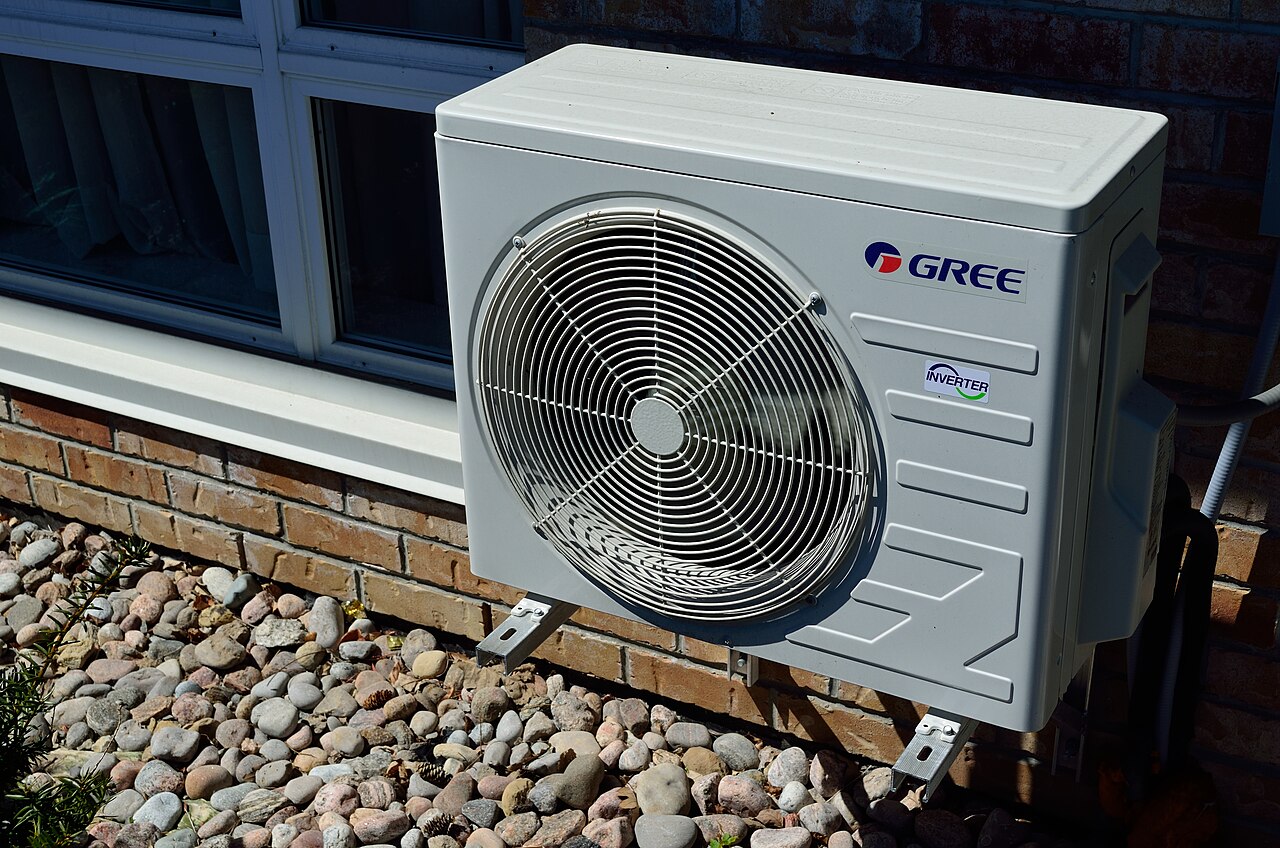
The outdoor fan pulls air through the condenser coil so your AC can release heat from inside the house. If that fan stops, the system cannot reject heat correctly. The compressor can overheat, refrigerant pressures can climb, and a small electrical repair can become a major failure if the system keeps trying to run.
That is why the safest move is usually to shut the cooling system off and call for service if the outdoor fan is not spinning. The symptom is common, but the electrical components inside the unit are not safe DIY territory.
Common Symptoms and Likely Causes
| What you notice | Likely cause | Repair-first outlook |
|---|---|---|
| Outdoor unit hums but fan does not spin | Weak or failed capacitor, seized fan motor | Often repairable after testing |
| Outdoor unit is completely silent | Tripped breaker, bad contactor, disconnect issue, thermostat/control problem | Often repairable |
| Fan starts briefly, then stops | Weak capacitor, overheating motor, high pressure shutoff | Needs diagnosis before replacement talk |
| Breaker trips when AC starts | Shorted motor, compressor issue, wiring fault, weak breaker | Do not keep resetting it |
| Fan blade is blocked or scraping | Debris, bent blade, loose motor mount | Repair depends on damage |
| Warm air inside while outdoor fan is off | Outdoor heat rejection failure | Shut off cooling and schedule service |
The Most Common Fix: A Failed AC Capacitor
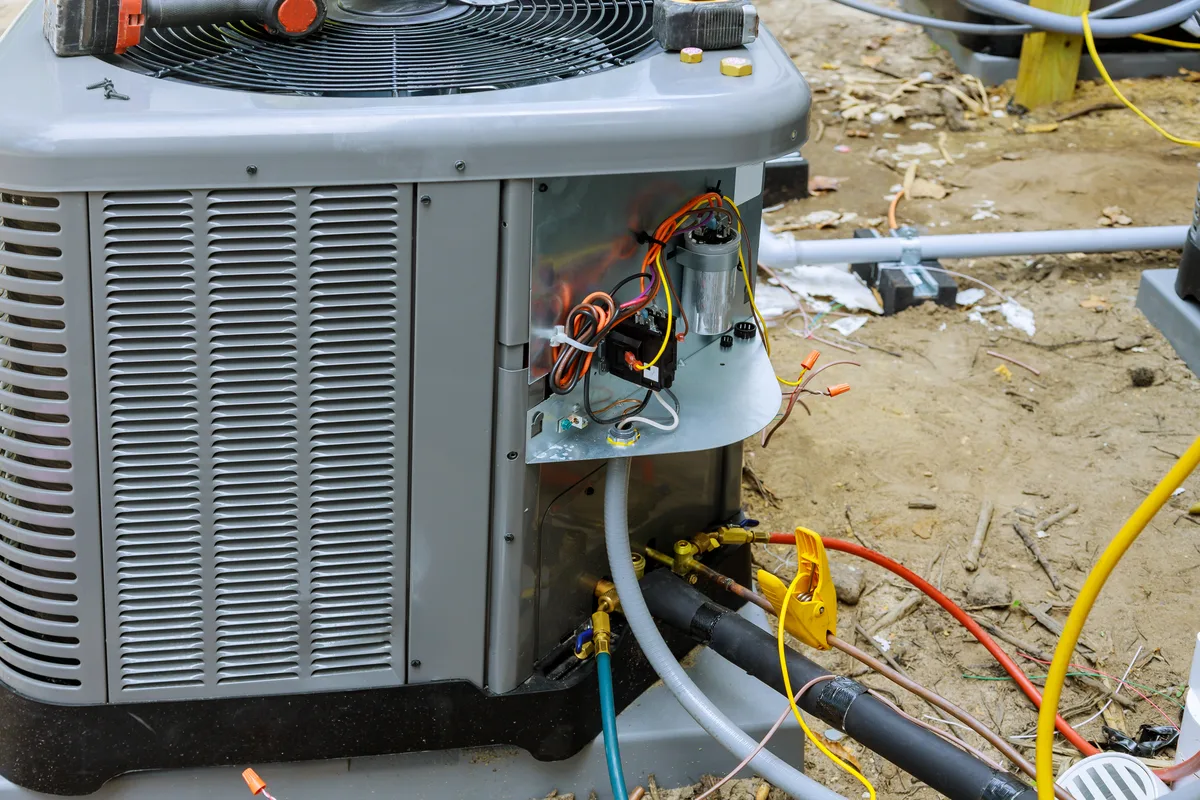
A capacitor stores and releases the electrical charge that helps the compressor and fan motor start and run. Utah heat is hard on capacitors. Repeated high-temperature starts, long run times, dust, cottonwood debris, and age all wear them down.
When a capacitor gets weak, the fan motor may not have enough starting torque to spin. The outdoor unit may hum. The fan may hesitate. The compressor may try to start without proper airflow. If the capacitor fails completely, the unit may not start at all.
This is exactly the kind of repair where a fix-it-first mindset matters. A failed capacitor does not mean the whole AC is bad. If the motor, compressor, coil, and refrigerant circuit are otherwise sound, replacing the capacitor can restore normal operation quickly.
Other Repairable Causes
Bad contactor
The contactor is the electrical switch that sends power to the outdoor unit. If it is pitted, burned, or stuck, the fan and compressor may not start correctly. Contactors are common service parts and usually do not require replacing the whole system.
Tripped breaker or disconnect problem
A breaker can trip because of a power event, overheating, or a failing component. You can check the breaker once. If it trips again, stop. Repeated resets can create a fire risk or damage equipment. A technician needs to find out why it is tripping.
Fan motor failure
Fan motors can fail from age, bearing wear, overheated windings, electrical damage, or running with a weak capacitor. A motor replacement is more expensive than a capacitor, but it is still often a rational repair if the rest of the AC is in good condition.
Blocked condenser or fan blade
Utah yards can be tough on outdoor units. Cottonwood, weeds, leaves, insulation scraps, and windblown debris can block airflow or interfere with the fan. If there is visible debris around the unit, shut the system off before clearing the area around the cabinet. Do not reach inside the grille or remove panels.
Compressor lockout or high-pressure safety trip
If the condenser coil is dirty or the outdoor fan has stopped, the system may shut itself down to prevent damage. The root cause might still be repairable, but the unit should be inspected before restarting it.
What You Can Safely Check First
Before calling, there are a few safe checks that can help rule out simple issues:
- Make sure the thermostat is set to cool and the set temperature is below the indoor temperature.
- Replace a visibly dirty air filter.
- Make sure supply and return vents are open and not blocked.
- Check the outdoor disconnect box only from the outside. Do not open electrical compartments.
- Check the AC breaker one time. If it trips again, leave it off and call for service.
- Clear weeds, leaves, and cottonwood from around the outside of the unit while the system is off.
Do not remove the outdoor unit's service panel, test electrical parts, push-start the fan blade, or replace a capacitor yourself. Capacitors can hold a dangerous electrical charge even when the power is off.
Typical AC Fan and Capacitor Repair Costs in Utah
Every repair depends on the actual diagnosis, but these are realistic ranges for common AC fan-related repairs in Northern Utah:
| Repair type | Typical cost range |
|---|---|
| Capacitor replacement | $150-$300 |
| Contactor replacement | $150-$300 |
| Outdoor fan motor replacement | $350-$650 |
| Condenser coil cleaning | $150-$300 |
| Electrical diagnosis and minor wiring repair | $150-$400 |
| Compressor diagnosis or replacement | Often $900+ if replacement is needed |
Salmon HVAC provides upfront pricing before repair work begins. If the repair is simple, we will say so. If the unit has a bigger problem, we will show you what we found and explain the options clearly.
When Repair Makes Sense
Repair is usually the right first option when:
- The AC is under 10-12 years old.
- The failure is isolated to a capacitor, contactor, fan motor, thermostat, or wiring issue.
- The compressor tests normally.
- The system has not needed repeated major repairs.
- The repair is a small fraction of replacement cost.
- The equipment is cooling the home well when it is operating normally.
In those cases, replacing the entire system can be premature. A good technician should be able to explain what failed, why it failed, whether the rest of the system looks healthy, and how much confidence you should have after the repair.
When Replacement Becomes the Honest Recommendation
A fix-it-first company still has to be honest when repair is the wrong financial move. Replacement deserves serious consideration when:
- The compressor has failed on an older system.
- The unit is 12-16+ years old and has had multiple recent repairs.
- The system uses older, expensive refrigerant and also has a leak.
- The repair cost approaches 40-50% of replacement cost.
- The AC was already undersized, inefficient, or unable to keep up with the home.
- Electrical or refrigerant problems point to deeper system deterioration.
That conversation should come after diagnosis, not before it. For a deeper cost framework, see our Utah AC repair-vs-replace guide and our 2026 HVAC replacement cost guide.
Why Utah Heat Causes Capacitors and Fan Motors to Fail
Northern Utah has long, dry cooling seasons with repeated high-temperature starts. Outdoor units sit in direct sun, collect dust, and often get covered with cottonwood in late spring and early summer. When condenser coils get dirty, the unit runs hotter and longer. That extra heat stresses capacitors, contactors, fan motors, and compressors.
This is one reason spring AC maintenance matters. Testing capacitor strength before peak heat, cleaning the condenser coil, checking fan motor amperage, and verifying refrigerant performance can catch weak parts before they fail on a 100°F afternoon.
What Happens During a Salmon HVAC Repair-First Diagnosis
- We listen to the symptom. Humming, clicking, silence, tripped breakers, and warm indoor air all point to different failure paths.
- We test before replacing parts. Our technician checks capacitors, contactors, voltage, motor amperage, thermostat signal, coil condition, and refrigerant performance where needed.
- We explain the repair. If a capacitor failed and the rest of the unit checks out, you will hear that clearly.
- We quote before work begins. You get the repair price before we proceed.
- We verify operation. After the repair, we run the system and confirm the fan, compressor, airflow, and temperature split are behaving correctly.
Our trucks carry common repair parts, including capacitors, contactors, motor starters, and other components used on many residential AC systems. That means many fan-not-spinning calls can be repaired on the same visit.
Need a Fix-It-First AC Diagnosis?
If your outside AC fan is not spinning, Salmon HVAC will inspect the current unit, explain the failure, and repair it whenever repair is the responsible option.
Frequently Asked Questions
Why is my outside AC fan not spinning?
The most common causes are a failed capacitor, bad contactor, tripped breaker, seized fan motor, blocked fan blade, or compressor lockout. If the outdoor unit hums but the fan does not spin, shut the system off and call an HVAC technician.
Can a capacitor be fixed instead of replacing the whole AC?
Yes. If the rest of the AC system is in reasonable condition, a failed capacitor or contactor is usually a same-visit repair. A failed capacitor alone does not mean you need a new air conditioner.
How much does AC capacitor replacement cost in Utah?
Most capacitor or contactor repairs in Northern Utah land around $150-$300 depending on the system, access, and whether other electrical parts are damaged. Salmon HVAC provides an upfront repair price before work begins.
Should I push the fan blade with a stick to get it started?
No. That can be dangerous and can damage the motor or blade. A fan that needs help starting often has an electrical problem that should be tested by a technician.
When will Salmon HVAC recommend replacement instead of repair?
We recommend replacement when repair is no longer the responsible option: repeated failures, a failed compressor on an older unit, expensive refrigerant leaks, severe deterioration, or a repair that approaches the cost of a new system. Otherwise, our first goal is to fix the unit you already have.