
Published April 27, 2026 • 7 min read
Key Takeaways
- A mild April can hide AC problems because the system has not been asked to work hard yet.
- Late April and early May are the best windows to test your air conditioner before northern Utah's first real heat wave.
- Homeowners can safely change filters, clear outdoor units, open registers, and run a 15- to 20-minute cooling test.
- Electrical testing, refrigerant work, capacitor replacement, deep coil cleaning, and compressor diagnosis should be handled by a licensed HVAC technician.
- If your system is older or had issues last summer, spring gives you time to compare repair and replacement options without rushing.
I will be honest: mild Aprils can be quiet for an HVAC company. When the furnace is no longer running hard and the air conditioner has not been needed yet, most homeowners are thinking about yards, baseball, graduations, and weekend projects. HVAC falls to the bottom of the list.
That is understandable. It is also exactly why late April is such a valuable window.
After 47 years serving northern Utah, we have seen the same pattern over and over. A cool spring keeps the phones quiet. Then the first hot stretch lands, everyone flips the thermostat to cooling, and the problems show up all at once: no cool air, outdoor unit not starting, loud buzzing, frozen lines, weak airflow, or a drain pan full of water. By then, every HVAC company in Davis, Weber, Salt Lake, and Morgan counties is busier, parts are moving faster, and appointment windows get tighter.
This article is not meant to scare you into a service call. It is meant to help you use a mild April wisely. If your AC is healthy, a quick test and a few homeowner tasks may be all you need. If something is wrong, this is the cheapest and least stressful time to find out.

Why a Mild April Can Be Misleading
Comfort can fool you. When daytime temperatures are mild, your home may feel fine with windows open or the thermostat sitting idle. That does not tell you whether the cooling system is ready for sustained summer load.
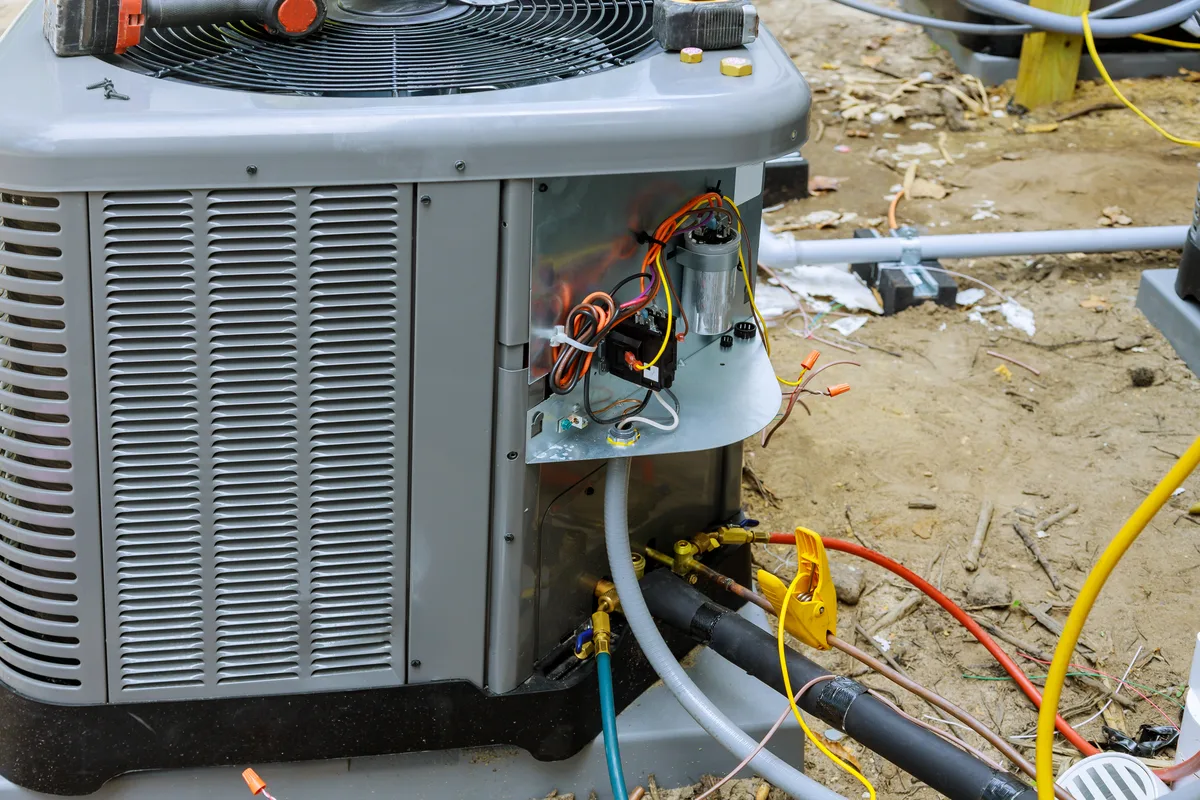
An air conditioner can sit all winter with a weak capacitor, dirty condenser coil, loose electrical connection, low refrigerant charge, or a partially clogged condensate drain. None of those issues matter much when the system is off. They matter immediately when the compressor has to run through a 90-degree afternoon.
The U.S. Department of Energy points homeowners toward the same basics we look at every spring: filters, coils, fins, refrigerant lines, and condensate drains. Those are not fancy upgrades. They are the ordinary parts of an AC system that determine whether it cools efficiently or struggles all summer.
Utah also warms up quickly once spring turns the corner. The National Weather Service Salt Lake City Climate Book tracks the region's 90-degree days, and every local homeowner knows how fast we can move from jacket weather to AC weather. The first hot week is a terrible time to discover your system needed attention a month earlier.
What I Would Do This Week If This Were My House
If you are a homeowner in Centerville, Bountiful, Layton, Ogden, Salt Lake City, Morgan, or anywhere along the Wasatch Front, here is the simple late-April checklist I would run before the heat arrives.
1. Replace or Inspect the Air Filter
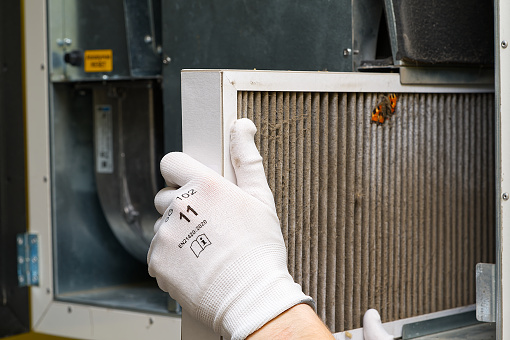
If you do nothing else, do this. A clogged filter restricts airflow, makes the blower work harder, and can cause the evaporator coil to freeze once the AC starts running longer cycles. If the filter is gray, packed with dust, bowed, or overdue, replace it now. Homes with pets, allergy concerns, or lots of spring dust should check filters more often during cooling season.
2. Clear Two Feet Around the Outdoor Unit
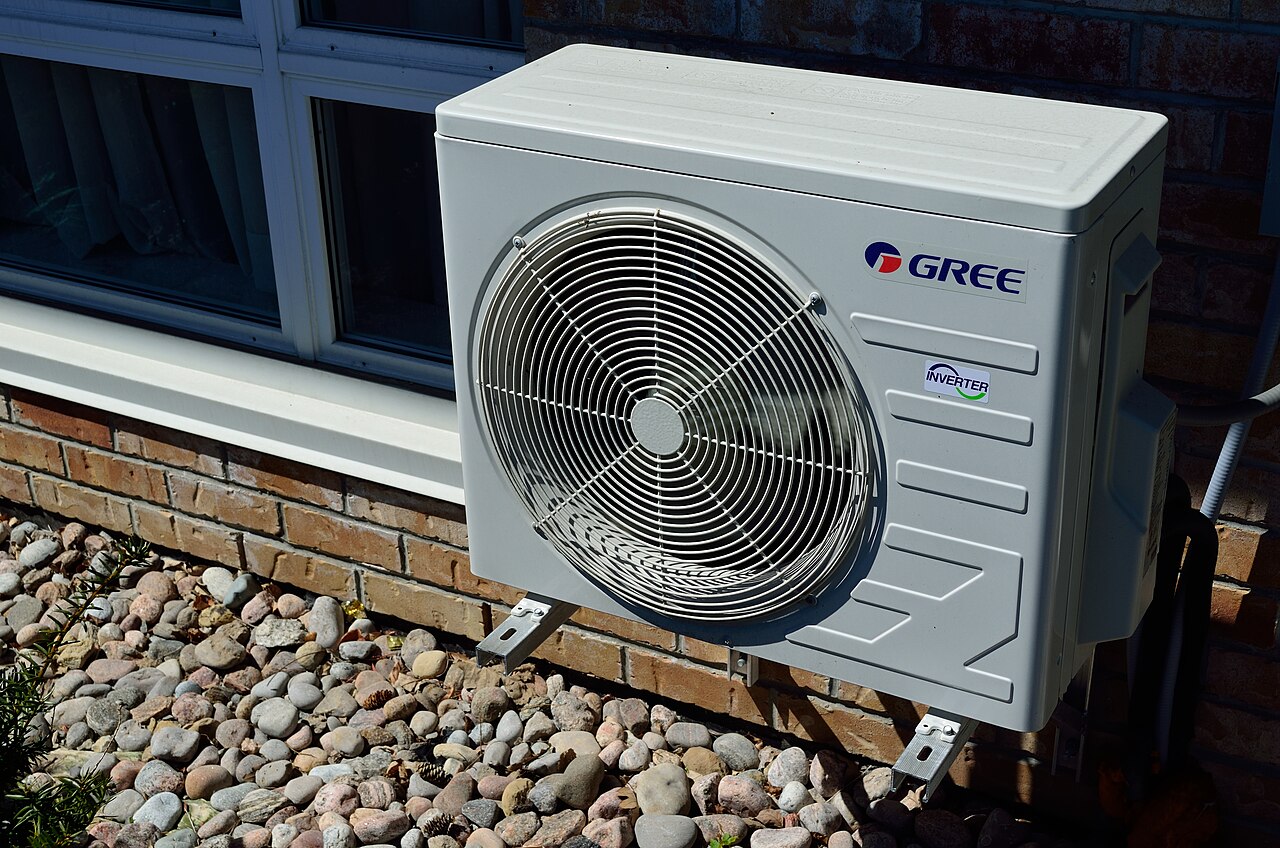
Leaves, weeds, mulch, cottonwood, and storage items around the condenser choke off airflow. Clear at least 24 inches around the outdoor unit, and make sure the top discharge is not blocked. The condenser's job is to reject heat outside. If it cannot breathe, your AC loses capacity and runs hotter than it should.
3. Gently Rinse the Outdoor Coil
Use a garden hose on gentle pressure to rinse dust and debris off the outdoor coil. Do not use a pressure washer. The fins bend easily, and bent fins reduce airflow. If the coil is matted with cottonwood or grime, that is a good reason to schedule professional AC maintenance.
4. Open Supply Registers and Check Return Grilles
Walk the house and make sure supply registers are open, especially in bedrooms and upstairs rooms that tend to run warm. Check that return grilles are not blocked by furniture, rugs, or storage. Poor airflow makes even a healthy AC look weak.
5. Run a Short Cooling Test
On a day when it is at least 65 degrees outside, set the thermostat 3 to 5 degrees below the indoor temperature and let the system run for 15 to 20 minutes. You should hear the indoor blower and outdoor condenser start. Air from the supply registers should feel noticeably cooler within several minutes.
If the system does not start, blows room-temperature air, trips a breaker, makes a loud hum, or develops ice on the refrigerant line, turn it off and call for AC repair. Do not keep testing a system that is clearly struggling.
What We Look For During a Spring AC Visit
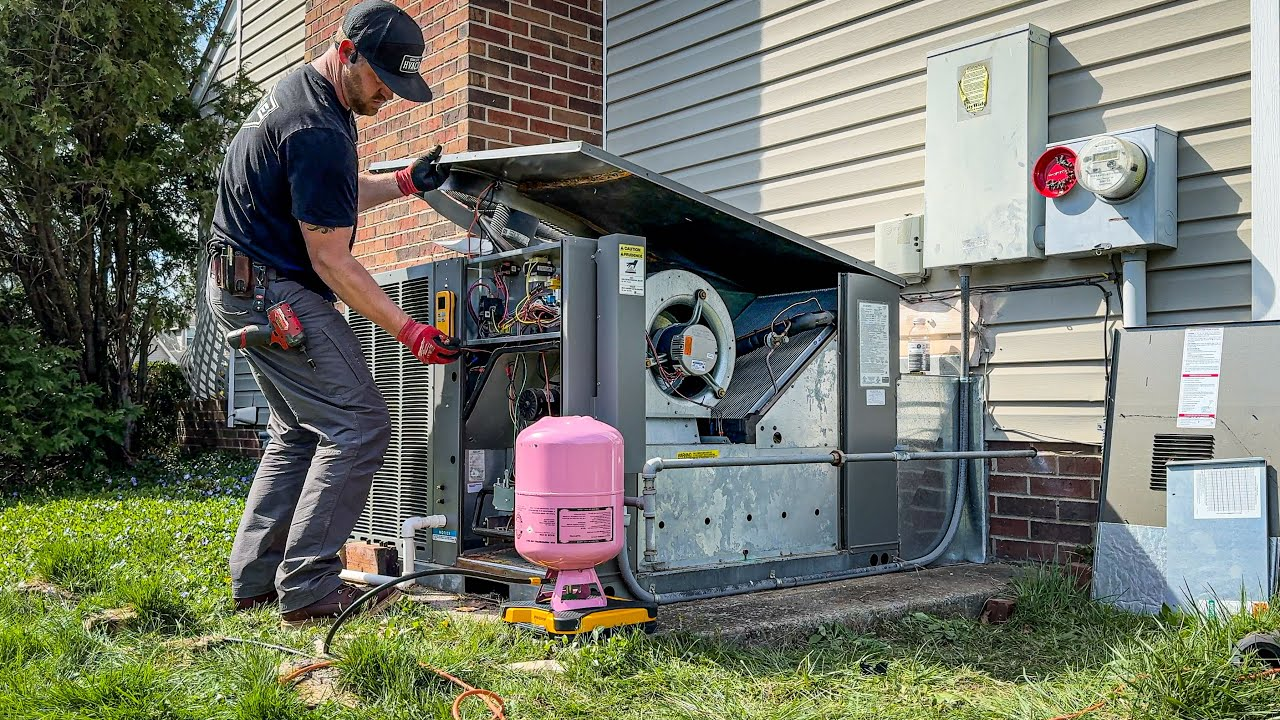
A spring service call should be more than a quick glance and a sales pitch. When Salmon HVAC services an AC system, we are looking for the things that cause real summer failures.
- Capacitor strength: Weak capacitors are one of the most common reasons outdoor units fail to start on the first hot day.
- Contactor wear: Pitted or burned contactors can cause intermittent starting and electrical damage.
- Refrigerant performance: Low refrigerant usually means a leak, not normal consumption. Refrigerant work should be handled by trained technicians under EPA Section 608 rules.
- Coil condition: Dirty indoor and outdoor coils reduce heat transfer, which means less cooling and longer run times.
- Condensate drainage: A blocked drain can shut the system down or cause water damage around the furnace or air handler.
- Airflow and static pressure: Weak airflow points to filter issues, blower problems, duct restrictions, or a coil that needs attention.
- Temperature split: We compare return-air and supply-air temperatures to see whether the system is actually removing heat the way it should.
The point is not to replace parts for the sake of replacing parts. The point is to catch weak components while they are still manageable, not after they have taken the system down on a hot afternoon.
When a Mild April Should Start a Repair-or-Replace Conversation
Some homeowners only need a filter change and a routine tune-up. Others should use this mild window to think more seriously about repair versus replacement.
A Practical AC Age Guide
- Under 8 years old: Service it, keep it clean, and repair normal wear items when needed.
- 8 to 12 years old: Pay attention to patterns. One small repair is normal. Repeated no-cool calls are not.
- 12 to 15 years old: Get honest repair pricing and replacement pricing before summer. You do not need to decide in a panic.
- 15+ years old: If the repair involves the compressor, coil, major refrigerant work, or repeated electrical failures, replacement may be the better long-term investment.
This is where mild weather helps. If your AC is old and questionable, you can get a second opinion, compare equipment, look at financing options, and schedule AC installation before the busy season. That is a much better position than making a rushed decision when the house is 84 degrees inside.
Why Waiting Until the First Hot Week Costs More
Most HVAC companies do not become more expensive in summer because they want to punish homeowners. Summer costs more because demand compresses. There are more no-cool calls, more emergency requests, more after-hours visits, and more parts moving through the supply chain at once.
When you call in late April, you usually have choices. You can pick an appointment window. You can ask questions. You can decide whether a repair makes sense. When you call during a heat wave, the goal becomes simpler: get cooling back as fast as possible.
From the owner's side of the business, I would much rather send a technician to your home on a mild April afternoon than send one during a July rush when your family is uncomfortable and every hour matters. Preventive service is calmer, more thorough, and usually less expensive.
When to Call Now
Do not wait for hotter weather if you notice any of these issues during your cooling test:
- The outdoor unit does not start.
- The outdoor unit hums but the fan does not spin.
- The AC blows warm or room-temperature air.
- The breaker trips when cooling starts.
- The refrigerant line ices up.
- You hear grinding, buzzing, rattling, or screeching.
- You see water around the indoor furnace or air handler.
- The system runs for 20 minutes and barely changes indoor temperature.
Those symptoms point to real mechanical, electrical, refrigerant, or airflow issues. They do not usually fix themselves. The upside is that late April is still early enough to handle them before the phones light up.
Frequently Asked Questions
Is late April too early to schedule AC service in Utah?
No. Late April is one of the best times to schedule AC service in northern Utah because outdoor temperatures are usually mild enough for testing but early enough to fix problems before the first heat wave. Waiting until the first hot week often means longer wait times and more expensive emergency calls.
What temperature should it be outside before I test my AC?
Test your central air conditioner when the outdoor temperature is at least 65 degrees. Set the thermostat 3 to 5 degrees below the indoor temperature and let the system run for 15 to 20 minutes. If the air is not cooling, the outdoor unit does not start, or the system makes unusual noises, schedule professional service.
Why do air conditioners often fail on the first hot day?
Air conditioners often fail on the first hot day because weak capacitors, dirty coils, loose electrical connections, low refrigerant, and clogged condensate drains go unnoticed while the system sits unused. The first hot day puts the system under sustained load, and small existing problems become obvious all at once.
Can I do any AC maintenance myself in April?
Yes. Homeowners can replace the air filter, clear leaves and debris around the outdoor unit, gently rinse the outdoor coil with a garden hose, open supply registers, and run a short cooling test. Leave refrigerant checks, electrical testing, capacitor replacement, deep coil cleaning, and compressor diagnostics to a licensed HVAC technician.
Should I repair or replace my AC before summer?
If your AC is under 10 years old and the issue is minor, repair usually makes sense. If the system is 12 to 15 years old, uses older refrigerant, needs a major repair, or has had repeated service calls, it is smart to get a replacement estimate before summer. Mild spring weather gives you time to compare options without making a rushed decision.
Use the Mild Weather Before Everyone Else Calls
Salmon HVAC serves Davis, Weber, Salt Lake, and Morgan counties. If your AC has not been tested yet this spring, now is the calm window to do it.