
Published July 9, 2026 • 12 min read
- A ductless mini-split is a heat pump with an outdoor condenser and one or more wall- or ceiling-mounted indoor heads — no ductwork required. It both heats and cools.
- 2026 Utah cost: roughly $3,000–$6,000 for a single-zone system and $6,500–$15,000+ for a multi-zone system (about $2,000–$7,000 per added zone).
- Best uses: room additions, basements, garages, ADUs, bonus rooms, one hot/cold room, and homes with no ducts. Cold-climate models keep heating well below freezing.
- The federal 25C tax credit expired Dec 31, 2025, but Rocky Mountain Power Wattsmart and Enbridge Gas ThermWise rebates can still offset the cost in 2026.
Not every comfort problem has a ductwork-shaped solution. A finished basement that never quite warms up, a converted garage or room addition or ADU your furnace was never sized to reach, a bedroom that bakes every July afternoon, an older home that never had central air in the first place — these are exactly the jobs where a ductless mini-split earns its keep.
Salmon HVAC has kept Northern Utah comfortable since 1979, and we install ductless systems across Centerville, Bountiful, Layton, Ogden, and Salt Lake City. This guide is the same walkthrough we give homeowners on-site: what a mini-split actually is, where it shines, what it costs here in 2026, how it handles a Utah winter, and how to know whether it — or a conventional system — is the better investment for your home.
What Is a Ductless Mini-Split?
A ductless mini-split is a type of heat pump. It moves heat rather than burning fuel to create it, which is why the same unit both heats and cools. A system has two main parts:
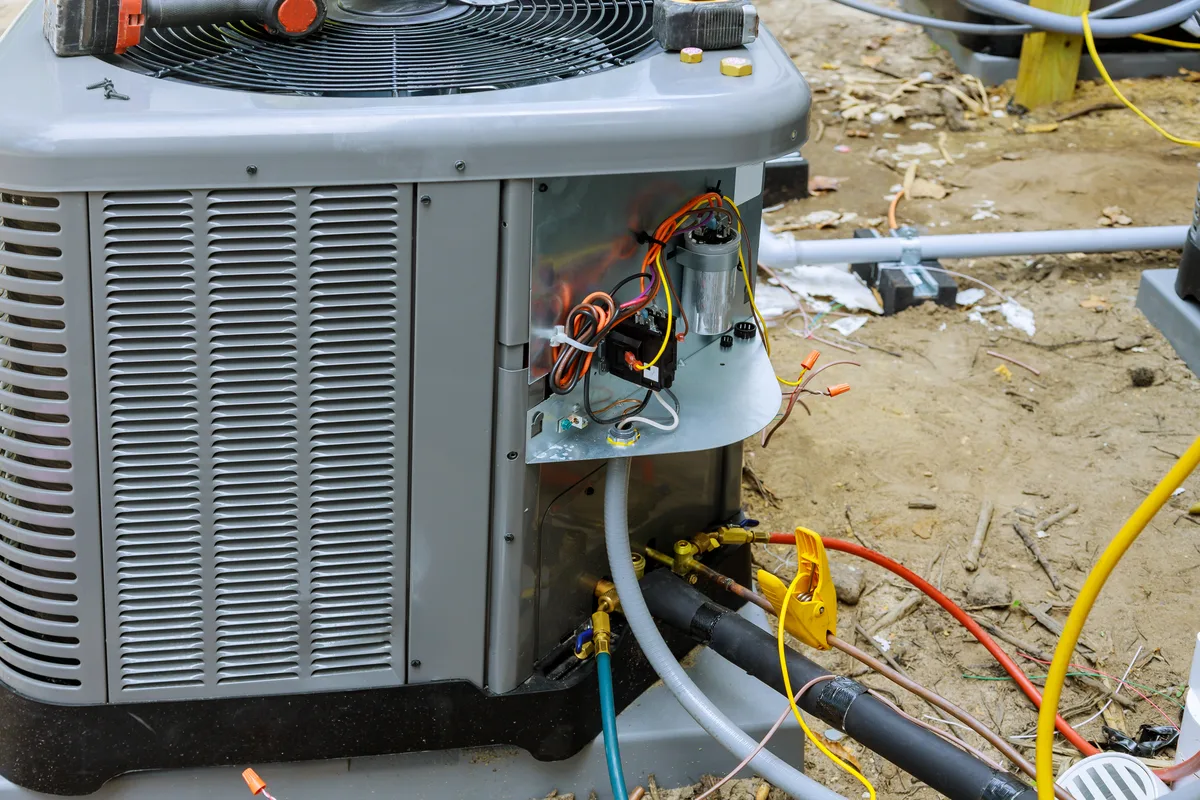
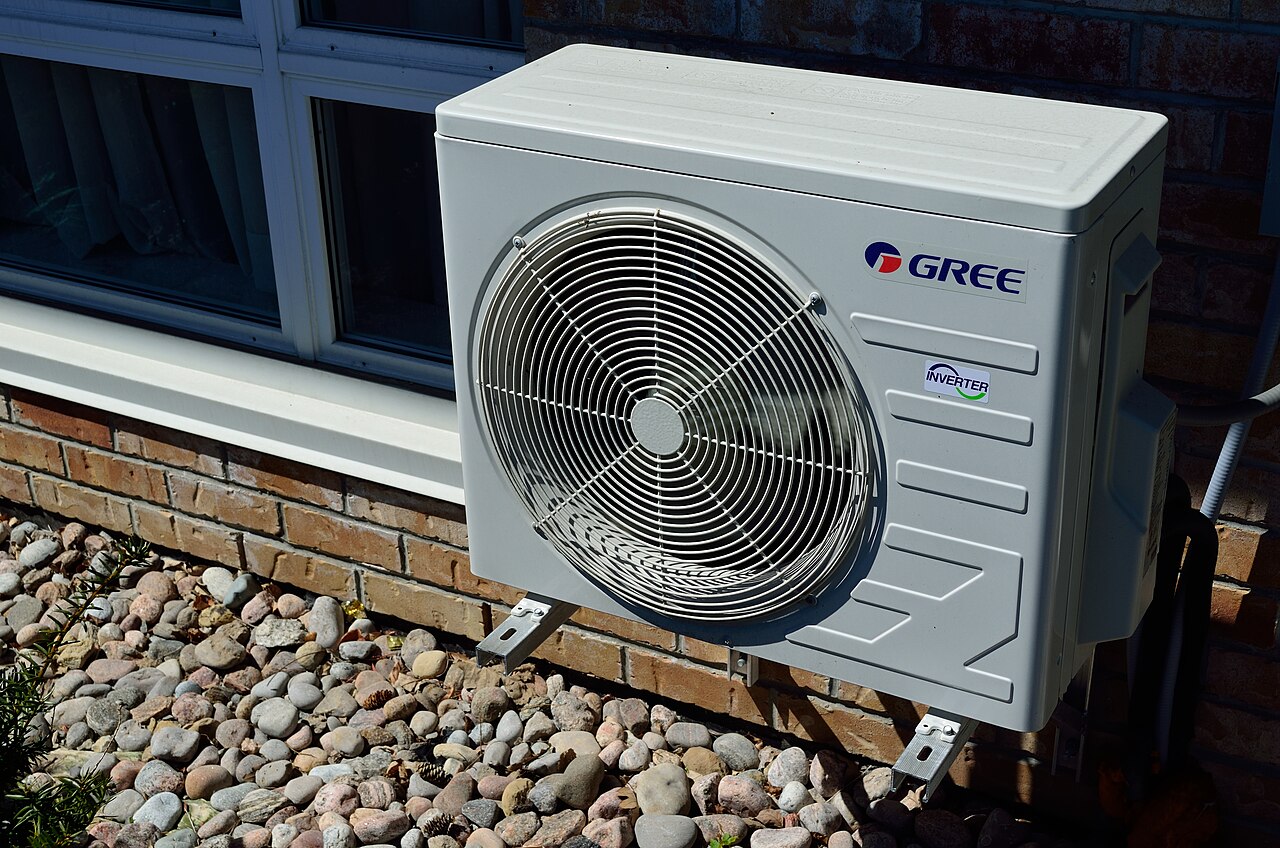
- An outdoor condenser/compressor unit that sits on a pad or wall bracket outside, much like a central AC's outdoor unit but usually smaller.
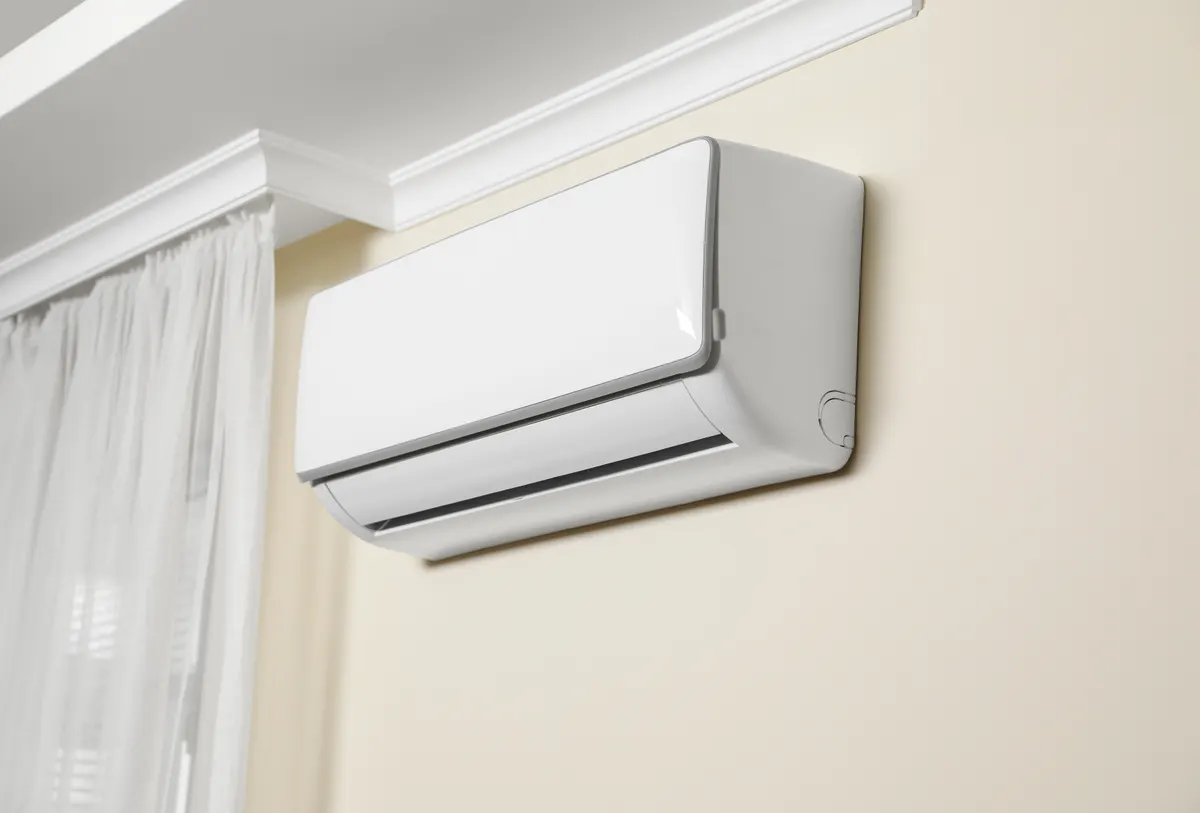
- One or more indoor "heads" — the units mounted high on a wall, recessed into a ceiling (a cassette), or tucked into a soffit — that deliver conditioned air directly into the room.
Instead of ductwork, the two are joined by a slim conduit — a refrigerant line set, a power cable, and a condensate drain — that passes through a single three-inch hole in an exterior wall. That's the "ductless" part, and it's the reason these systems can go where a ducted system can't.
Single-Zone vs. Multi-Zone
A single-zone mini-split pairs one outdoor unit with one indoor head — ideal for a single room, addition, or problem space. A multi-zone system connects one outdoor unit to several indoor heads (commonly two to five), each with its own thermostat and remote. Multi-zone is how a mini-split can condition a whole floor, or even a whole home, without a foot of ductwork.
Inverter Technology Is the Real Advantage
The feature that sets modern mini-splits apart is the inverter-driven compressor. A conventional AC or furnace runs full-blast, shuts off, and cycles back on. An inverter compressor ramps its speed up and down to match the exact load in the room, running long and low instead of hard and short. The payoff is steadier temperatures, quieter operation, and meaningfully higher efficiency — the same reason mini-splits post such high SEER2 and HSPF2 ratings.
The Best Uses for a Mini-Split in a Utah Home
Mini-splits are not a one-size-fits-all replacement for central systems — they are a precision tool. Here's where they consistently outperform the alternatives for Northern Utah homeowners:
| The situation | Why a mini-split fits |
|---|---|
| Room addition, ADU, or garage conversion | Your furnace and AC were sized for the original house. Extending ducts is costly and often underperforms; a dedicated head conditions the new space perfectly. |
| Finished basement or bonus room | These spaces are notoriously hard to heat and cool evenly. A single head gives independent control without re-working the main system. |
| One hot or cold room | The upstairs bedroom that overheats every summer, or the office over the garage — a mini-split solves the specific room instead of overworking the whole house. |
| Older home with no ductwork | Many historic homes in Bountiful, Ogden, and Salt Lake never had central air. A ductless system adds both heating and cooling without tearing into plaster. |
| Replacing window units or space heaters | Quieter, far more efficient, secure (no open window), and it heats in winter too. |
| Whole-home high-efficiency comfort | A properly designed multi-zone system can heat and cool an entire home with room-by-room zoning and no duct losses. |
For a deeper comparison of ductless against traditional central cooling, our mini-split vs. central air guide breaks down the trade-offs room by room.
How Much Does a Ductless Mini-Split Cost in Utah? (2026)
Mini-split pricing scales with the number of zones (indoor heads), the system's capacity and efficiency, and how much electrical and mounting work the install requires. These are realistic installed-cost ranges for Northern Utah in 2026:
| System | Typical installed cost |
|---|---|
| Single-zone (1 room) | $3,000–$6,000 |
| Two-zone | $6,500–$10,000 |
| Three- to four-zone | $9,000–$15,000 |
| Whole-home multi-zone (5+ heads) | $15,000–$25,000+ |
| Each additional zone (rule of thumb) | $2,000–$7,000 |
A few things drive where you land in those ranges:
- Efficiency tier. Higher SEER2/HSPF2 and true cold-climate models cost more up front but cut operating cost and often qualify for larger rebates.
- Head style. Standard wall-mounted heads are the most economical; recessed ceiling cassettes and concealed-duct units cost more.
- Line-set length and electrical. Long refrigerant runs, added circuits, or a panel upgrade add labor and materials.
- Number of heads on one condenser. Multi-zone condensers and the extra line sets are where multi-zone budgets climb.
Labor is typically 30–50% of the total. If you're weighing a ductless project against replacing a central system, our 2026 Utah HVAC replacement cost guide puts the numbers side by side.
Do Mini-Splits Work in Utah Winters?
This is the number-one question we get, and the honest answer is: yes — if you buy the right unit. Older and budget mini-splits lose heating capacity fast as the temperature drops. But modern cold-climate mini-splits are engineered specifically for climates like ours. Many hold their rated heating capacity down to about 5°F and continue producing usable heat to roughly −5°F to −15°F.
For context, a typical winter in the Salt Lake and Davis valleys sees most nights in the teens and twenties, with occasional dips below zero. A cold-climate mini-split covers the overwhelming majority of that heating season efficiently. For the handful of deep-cold nights — or for larger whole-home applications — many Utah homeowners pair a mini-split with their existing furnace in a dual-fuel arrangement: the efficient heat pump handles most of the season, and the furnace picks up the coldest snaps.
Two Utah-specific notes matter here. First, at our altitude, equipment capacity and sizing should be calculated correctly — something we cover in our altitude and HVAC guide. Second, outdoor units need proper mounting and clearance so snow and ice don't block airflow or the defrost cycle. For a broader look at how heat pumps perform locally, see do heat pumps work in Utah winters?
Efficiency: Why Ductless Runs Cheaper
Mini-splits are among the most efficient comfort systems you can buy, for two structural reasons:
- No duct losses. A central forced-air system can lose 20–30% of its conditioned air to leaks and heat transfer in ducts — especially ducts running through unconditioned attics and crawlspaces. Ductless delivers air straight into the room, so that loss simply doesn't happen.
- Inverter modulation. Because the compressor varies its speed instead of slamming on and off, the system spends most of its time running gently at part-load, which is where efficiency is highest.
Add zoning — the ability to condition only the rooms you're using — and the operating-cost advantage compounds. In Utah's dry climate, where cooling loads spike in July and August and heating runs for months, that efficiency shows up on real utility bills.
Rebates & Incentives for Utah Mini-Splits in 2026
Incentives have shifted for 2026, so it's worth being precise:
- Federal 25C tax credit — expired. The Energy Efficient Home Improvement Credit that offered up to 30% (capped at $2,000) on qualifying heat pumps ended on December 31, 2025. Installations completed in 2026 do not qualify. If you installed a qualifying system in 2025, you may still claim it on that year's return.
- Rocky Mountain Power Wattsmart Homes. Eligible electric customers can receive rebates for qualifying ductless heat pumps. The Wattsmart Homes program was updated in early 2026, so current tiers and amounts should be confirmed at the time of install.
- Enbridge Gas ThermWise. Formerly Dominion Energy, ThermWise offers efficiency rebates for eligible natural-gas customers, and in many cases can be combined with a Wattsmart rebate on the same project.
Because rebate amounts and eligibility change from year to year, we verify what's currently available before you commit — and handle the paperwork. Our 2026 Utah heat pump rebates and tax credits guide goes deeper on the current programs, and financing options are on our financing page.
Mini-Split vs. Central Air vs. Adding to Your Furnace
A mini-split isn't automatically the answer — the right choice depends on the job. Here's the quick decision framework we use:
| If you... | The usual best fit |
|---|---|
| Need to condition a new or isolated space | Ductless mini-split (single-zone) |
| Have no ductwork and want whole-home comfort | Multi-zone ductless or ducted heat pump |
| Have good existing ducts and a failing AC | Central AC or ducted heat pump is usually cheaper per ton |
| Want maximum efficiency and room-by-room control | Ductless mini-split |
| Have one problem room in an otherwise comfortable house | Single-zone ductless |
The reason ducted systems can be cheaper "per ton" of capacity is that one air handler and one duct network serve the whole house. Ductless trades some of that economy of scale for flexibility, efficiency, and the ability to install where ducts can't go. When you already have sound ductwork and a working furnace, a central system or ducted heat pump is often the more economical whole-home path — and we'll tell you so.
Thinking About a Ductless Mini-Split?
Salmon HVAC will assess your space, size the system correctly for our altitude and climate, walk you through current rebates, and give you a straight recommendation — ductless or otherwise.
What to Expect From a Salmon HVAC Ductless Install
- We size it to the room, not a rule of thumb. We calculate the actual heating and cooling load — accounting for Utah's altitude, insulation, windows, and sun exposure — so the system isn't oversized (short-cycling, wasted money) or undersized (never keeps up).
- We recommend the right tier. Cold-climate model where winter heating matters; the efficiency tier that balances up-front cost, operating cost, and rebate eligibility.
- We place heads and condensers thoughtfully. Good airflow, clean line-set routing, and outdoor units mounted clear of snow and drip lines.
- We handle rebates and financing. We confirm current Wattsmart and ThermWise offers, file the paperwork, and lay out financing if you want to spread the cost.
- We back it with 47 years in Northern Utah. Family-owned since 1979, licensed and insured, and here for the maintenance long after install day. Explore our ductless mini-split services for details.
Frequently Asked Questions
How much does a ductless mini-split cost to install in Utah?
In 2026, a single-zone ductless mini-split typically runs about $3,000 to $6,000 installed, while multi-zone systems that condition several rooms generally range from $6,500 to $15,000 or more — roughly $2,000 to $7,000 per added zone. Final pricing depends on the number of indoor heads, the system's efficiency, line-set length, electrical work, and installation complexity.
Do ductless mini-splits work in Utah winters?
Yes. Modern cold-climate mini-split heat pumps deliver usable heat well below freezing, with many models holding rated capacity down to about 5°F and continuing to produce heat to roughly −5°F to −15°F. That covers the vast majority of northern Utah's heating season. For the coldest snaps or larger homes, a mini-split is often paired with a backup furnace in a dual-fuel setup.
Are ductless mini-splits worth it for a Utah home?
They're worth it when the job matches their strengths: heating and cooling a space without ductwork, conditioning a room addition, basement, garage, ADU, or bonus room, fixing one hot or cold room, or replacing window units and space heaters. Because they avoid duct losses and use inverter compressors, they run very efficiently. For a whole home that already has good ductwork and a working furnace, a central system is often more economical.
Are there rebates for ductless mini-splits in Utah in 2026?
Utility rebates are the main incentive in 2026. Rocky Mountain Power's Wattsmart Homes program offers rebates for qualifying ductless heat pumps, and Enbridge Gas (formerly Dominion Energy) runs the ThermWise program for gas customers. The federal 25C tax credit that previously offered up to $2,000 for qualifying heat pumps expired December 31, 2025, so it isn't available for 2026 installs. We confirm current rebate offers before you commit.
How many indoor units can one mini-split outdoor unit run?
A single multi-zone outdoor condenser can typically support two to five or more indoor heads, depending on the model and total load. Each head is controlled independently, so different rooms can be set to different temperatures or turned off. Proper sizing matters — an oversized multi-zone system short-cycles and wastes efficiency — so the load should be calculated room by room.