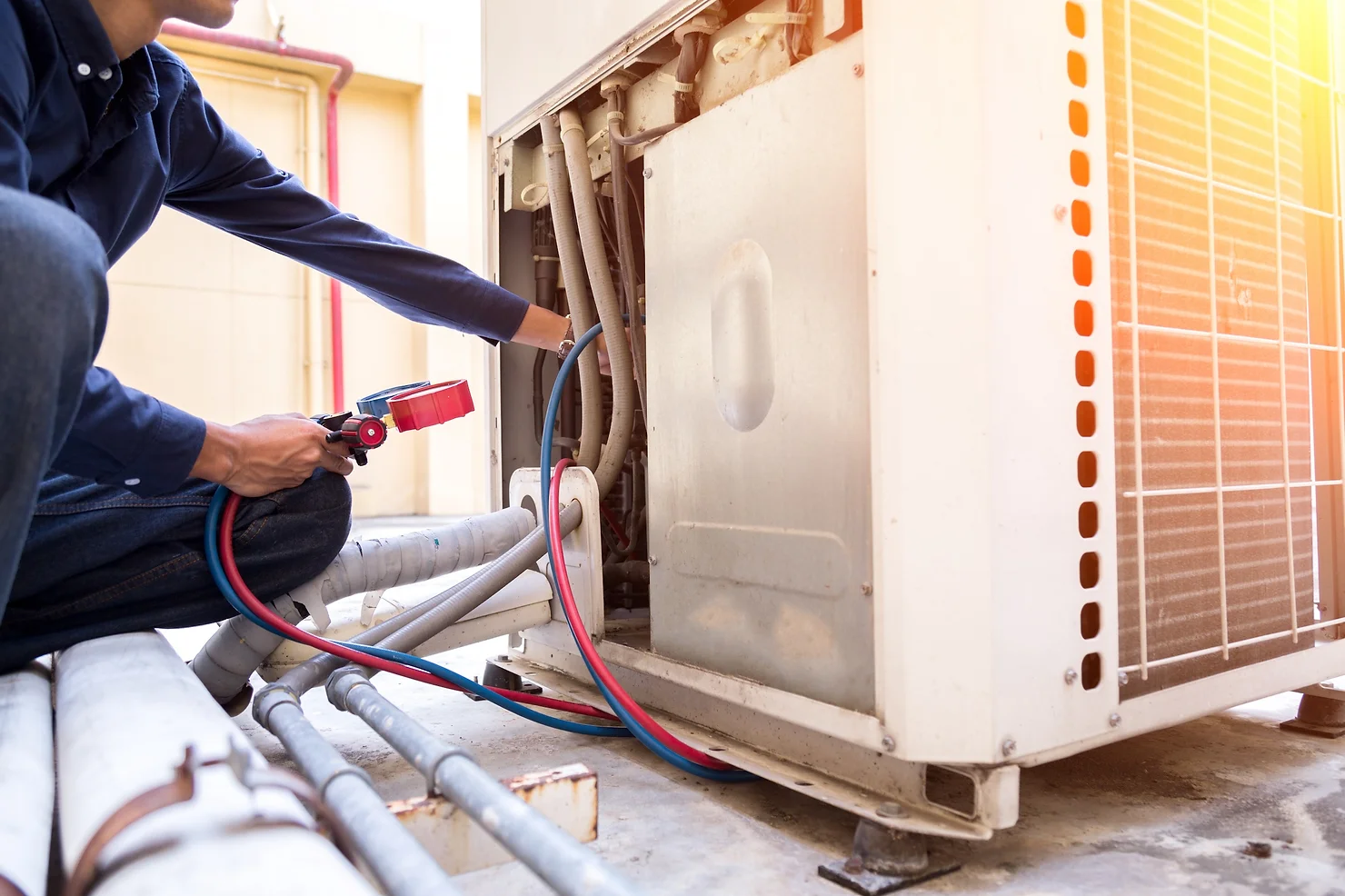

The HVAC solutions that elevate your comfort most in Northern Utah are the ones matched to our specific climate: a right-sized high-efficiency heating and cooling system, zoned control for uneven rooms, whole-home humidity and air-quality equipment for our dry air and winter inversions, and a smart thermostat to tie it all together. Comfort isn't about one gadget — it's about the system working with Utah's hot, dry summers and cold, high-altitude winters instead of fighting them. Here's how each piece fits, and how to prioritize upgrades for a Davis, Weber, Salt Lake, or Morgan County home.
Start With the Climate You Actually Live In
Along the Wasatch Front we ask a lot of our HVAC systems. Summer afternoons push past 100°F in the Salt Lake and Davis valleys, our air is dry year-round, and winter brings both deep cold and the valley inversions that trap pollution close to the ground. On top of that, our elevation — roughly 4,200 to 5,000+ feet across the service area — thins the air enough to affect how equipment is sized and how combustion appliances perform.
That combination means the "right" comfort upgrade here isn't always the one a national buying guide recommends. Altitude alone can change furnace sizing and derating; our guide to altitude and your HVAC system explains why. Before you spend money, it helps to understand which systems earn their keep in our climate.
Types of HVAC Systems — and Where Each One Shines in Utah
Central Air Conditioning
Central AC cools your whole home through existing ductwork and remains the default for most Utah houses with forced-air heat. The big 2026 change is the refrigerant: new systems now ship with low-global-warming A2L refrigerants like R-454B instead of the old R-410A. If you're replacing an aging unit, this matters for parts and future service — we break it down in our R-410A to R-454B guide for Utah homeowners.
Ductless Mini-Split Systems
Mini-splits are our go-to for homes without ductwork, finished basements, additions, and those stubborn rooms that are always too hot or too cold. Each indoor head is its own zone, so you heat and cool only the space you're using — a real efficiency win in a house where the family mostly lives in a few rooms. Because they're heat pumps, they both heat and cool. See our complete guide to ductless mini-splits in Utah or our ductless mini-split service page.
Heat Pumps
Heat pumps move heat rather than burning fuel, delivering both cooling in summer and heating in winter from a single system. Older heat pumps struggled in the cold, but modern cold-climate models hold efficient output well below freezing — enough for most Wasatch Front winters. Many Utah homeowners choose a dual-fuel setup that pairs a heat pump with a gas furnace: the heat pump handles mild days cheaply and the furnace takes over in a deep cold snap. Compare the long-run numbers in our heat pump vs. AC + furnace cost breakdown, or explore our heat pump services.
Furnaces
A high-efficiency gas furnace is still the most common — and often most cost-effective — way to heat a Utah home through January. Look at the AFUE rating (the percentage of fuel converted to heat); 95%+ condensing furnaces are standard on new installs. Proper sizing matters even more at altitude, where combustion air is thinner.
Geothermal Systems
Geothermal (ground-source) heat pumps use stable underground temperatures for extremely efficient heating and cooling. The upfront cost and ground loop make them a niche choice, but for the right lot and budget they deliver the lowest operating costs of any option.
Not sure which fits your house? Our guide to choosing the right HVAC system for your Utah home walks through the decision step by step.
Smart Thermostats: Small Upgrade, Real Payback
A smart thermostat is the single cheapest comfort-and-efficiency upgrade most homeowners can make. It learns your schedule, adjusts automatically, and lets you control the house from your phone — handy when a Utah cold front or heat wave rolls in while you're away.
How to get the most from it
- Set modest setbacks (not extremes) while you sleep or are away — about 7–10°F is the efficiency sweet spot.
- Use scheduling to match your real daily routine instead of overriding it constantly.
- Turn on geofencing so the house eases back toward comfort as you head home.
- If you have a heat pump, use the thermostat's heat-pump or dual-fuel mode so it doesn't lean on expensive backup heat unnecessarily.
Want the honest math on payback? Read Are smart thermostats worth it?
Indoor Air Quality: The Utah-Specific Upgrade
Comfort isn't just temperature. Our dry air and seasonal air-quality problems make whole-home IAQ equipment more valuable here than in most of the country.
Whole-home humidifiers
Utah's dry winter air causes static shocks, cracked skin, scratchy throats, and gaps in hardwood floors and trim. A whole-home humidifier tied into your furnace adds balanced moisture across the house — far more effective than a portable unit in one room. Learn more about why Utah homes get so dry in winter.
Filtration and air cleaners
During summer wildfire smoke and winter inversions, what's circulating indoors matters. A quality media filter or whole-home air cleaner captures far more fine particulate than a basic 1-inch filter. If anyone in the home has allergies or pets, our guide to the best air filters for Utah homes with pets or allergies covers what actually works. For a full assessment, see our indoor air quality services.
Ventilation
Tight, modern homes hold heat well but can trap stale air and moisture. Balanced ventilation (such as an ERV) brings in fresh air without throwing away the energy you paid to heat or cool.
Efficiency, Rebates & Incentives in 2026
New equipment is rated by SEER2 (cooling), HSPF2 (heat-pump heating), and AFUE (furnaces). In the Northern U.S. region that includes Utah, split-system central ACs must meet a minimum of about 13.4 SEER2, but most comfort- and efficiency-minded upgrades land well above the floor.
One important 2026 update: the federal 25C Energy Efficient Home Improvement Credit expired for equipment placed in service after December 31, 2025, so the big federal tax credit that drove many 2024–2025 upgrades is no longer available this year. Savings now come primarily from manufacturer promotions, utility rebates (Rocky Mountain Power and Dominion Energy programs), and any active state offerings. Because these change often, check our regularly updated Utah heat pump rebates & incentives guide for what's current, and ask about financing to spread out the cost of a new system.
Keep Comfort Dialed In With Maintenance
Even the best system drifts out of tune. In our dusty, dry climate, a few habits protect both comfort and equipment life:
- Change or check your filter every 1–3 months (more often with pets or during smoke season).
- Have the system professionally serviced twice a year — cooling in spring, heating in fall.
- Keep the outdoor unit clear of cottonwood fluff, grass clippings, and debris.
- Watch for warning signs: short cycling, rising bills, weak airflow, or uneven temperatures room to room.
If you're seeing any of those symptoms, don't wait for a 100°F afternoon or the first hard freeze to find out. Our team has kept Northern Utah homes comfortable since 1979.
Ready to elevate your home's comfort? Salmon HVAC can assess your home, size the right system, and lay out your best options — no pressure.
Frequently Asked Questions
What HVAC system works best for Utah homes without ductwork?
Ductless mini-split systems are ideal for homes without ductwork, offering zoned heating and cooling that let you customize the temperature in different rooms. They're a practical fit for older Utah homes, additions, finished basements, and layouts where adding ducts would be expensive or disruptive.
Are heat pumps energy-efficient for Utah winters?
Yes. Modern cold-climate heat pumps are rated to deliver efficient heating well below freezing, so they handle most Northern Utah winters along the Wasatch Front. Many homeowners pair a heat pump with a gas furnace in a dual-fuel setup — the heat pump runs on milder days and the furnace takes over during deep cold snaps for the best efficiency and comfort.
How can a smart thermostat reduce my Utah home energy costs?
A smart thermostat learns your schedule and adjusts temperatures automatically, and you can control it remotely by app. Modest setbacks while you're asleep or away, scheduling, and geofencing all trim runtime during Utah's peak heating and cooling demand without sacrificing comfort.
What's the difference between a furnace and a heat pump for home heating?
A furnace generates heat by burning natural gas (or using electric resistance) and is dependable in Utah's cold winters. A heat pump instead transfers heat from the outside air and both heats and cools; it's typically more energy-efficient, especially in the dual-fuel pairing many Utah homes use.
Can HVAC systems improve indoor air quality in my Utah home?
Yes. Beyond heating and cooling, your HVAC system can carry whole-home filtration, humidifiers, and ventilation that filter pollutants, balance our dry winter air, and improve circulation — especially valuable during summer wildfire smoke and winter inversion days.