When the first hard freeze settles into the Wasatch Front — usually early-to-mid October in Davis, Weber, Salt Lake, and Morgan counties — your furnace goes from idle to running for months straight. Heating efficiency is how you keep your home warm through a Northern Utah winter without watching your gas and power bills climb every month. Our high-altitude, dry-air climate and the valley inversions that trap cold air for days make an efficient, well-maintained system worth real money here. This 2026 guide walks through the practical steps that actually move the needle: sealing and insulating, using your thermostat wisely, keeping your system maintained, and understanding which rebates still help pay for upgrades. If your furnace is already struggling, start with our winter furnace tune-up guide — or call Salmon HVAC at (801) 397-0030 to get it checked before the deep cold arrives.
Key Takeaways
- Regular Maintenance: Schedule annual furnace inspections to ensure optimal performance and longevity.
- Proper Insulation: Improve home insulation to reduce heat loss and maintain consistent indoor temperatures.
- Efficient Thermostat Use: Utilize programmable thermostats to manage heating based on occupancy and time, optimizing energy consumption.
Additional Tips:
- Insulate windows and doors to prevent heat loss.
- Seal ductwork to improve airflow and efficiency.
- Use ceiling fans for better heat distribution.
- Upgrade to energy-efficient heating systems.
Understanding Heating Efficiency
As winter sets in, heating efficiency becomes critical. This term refers to how well your heating system converts fuel or energy into usable heat for your home. In a cold climate like Utah, maximizing heating efficiency is essential not only for comfort but also for cost savings and environmental sustainability.
Why Heating Efficiency Matters
Heating is the single biggest chunk of a Utah home's winter energy use. If your system isn't running efficiently, you're overpaying every month the furnace runs — and in our climate that's roughly October through April. An inefficient system also tends to heat unevenly, leaving cold spots in back bedrooms and over-cycling to compensate, which wears out components faster. At our elevation (most of the Wasatch Front sits between 4,200 and 5,000 feet), furnaces also have to be set up correctly for the thinner air, or they lose efficiency and can run rich. If your furnace seems to never shut off, that's often a sign it's working harder than it should — our guide on why your furnace runs constantly in winter explains the common causes. Prioritizing efficiency saves money, keeps every room comfortable, and extends the life of equipment that isn't cheap to replace.
Common Heating Systems in Utah
1. Forced Air Systems
Popular for their versatility, forced air systems circulate warm air through ductwork. They can be paired with central air conditioning for year-round comfort.
2. Radiant Floor Heating
This system provides even warmth directly from the floor and is favored for its quiet operation and efficiency.
3. Hydronic Systems
Using water to distribute heat, hydronic systems are efficient and ideal for larger homes or spaces where ductwork isn’t practical.
Selecting the right system depends on your home’s layout, insulation quality, and heating needs. Each system offers unique advantages, so consider your specific requirements when upgrading or maintaining your system.
Insulation and Sealing
Enhance Home Insulation
Proper insulation is essential for retaining heat and reducing energy waste. Focus on key areas like attics, basements, and crawl spaces, as these are common sources of heat loss. Use high R-value materials such as fiberglass batts, spray foam, or foam boards to optimize energy efficiency.
Seal Drafts
Drafts can significantly reduce heating efficiency. Use weatherstripping or caulk to seal gaps around windows, doors, and other leak-prone areas. Test for drafts with a lit candle or incense stick; if the flame flickers, you’ve likely found a leak.
Insulate Ductwork
Uninsulated ducts in unconditioned spaces like attics can lose significant heat. Wrapping them in insulation ensures efficient heat delivery throughout your home.
Thermostat Management
Optimize Settings
Setting your thermostat strategically is the cheapest efficiency upgrade there is. The U.S. Department of Energy still recommends 68°F while you're home and awake, then dialing back 7–10 degrees for the 8 or so hours you're asleep or away — a habit that can cut heating costs by around 10% a year. A programmable or smart thermostat does this automatically, and most let you adjust the heat from your phone before you head home. If you're weighing an upgrade, our breakdown of whether smart thermostats are worth it runs through the real payback. One Northern Utah caution: during a winter inversion, resist the urge to crank the heat and open windows for "fresh" air — the valley air outside is often dirtier than the air inside. Keep the house sealed and lean on good filtration instead.
Recommended Temperature Settings
| Activity | Temperature |
|---|---|
| Daytime (Home) | 68°F |
| Nighttime (Sleeping) | 60-67°F |
| When Away | 60-65°F |
Regular Maintenance Practices
Annual System Check-Ups
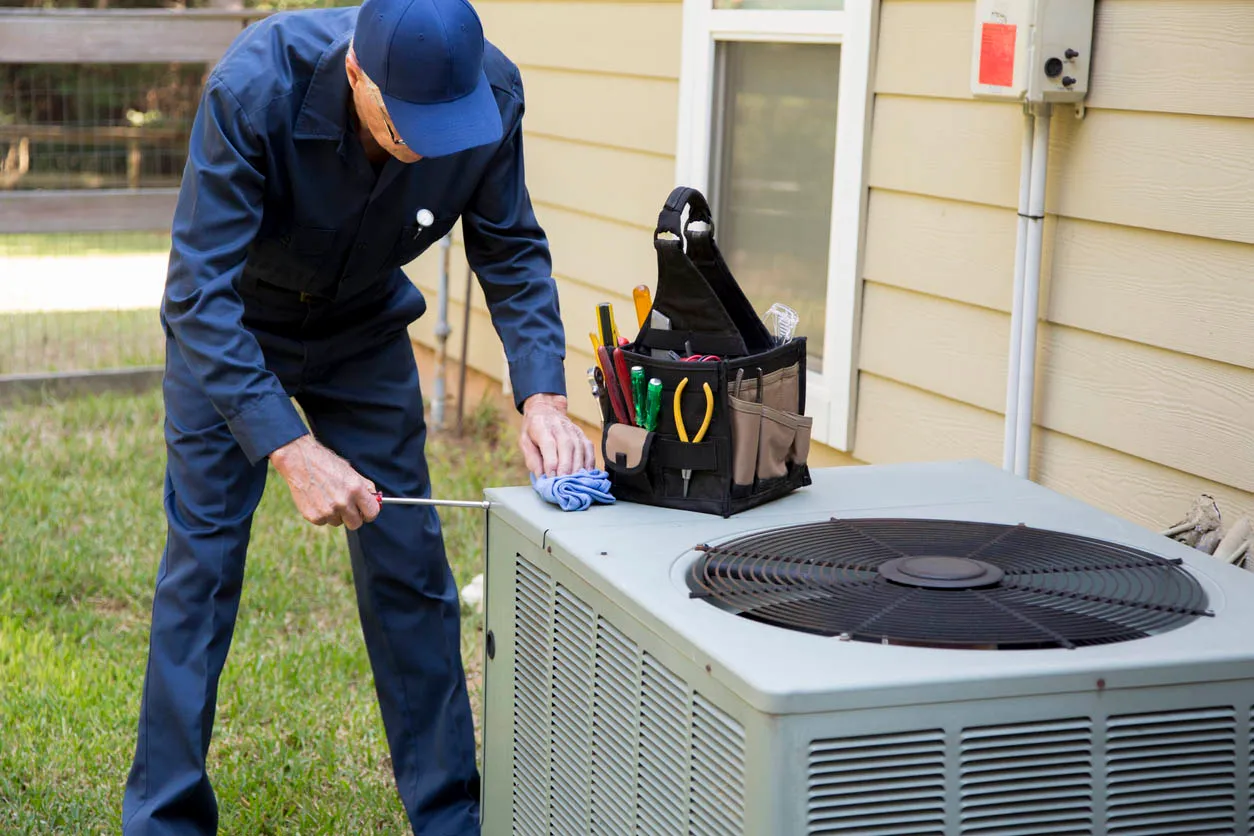
Schedule a professional furnace inspection and tune-up every fall, before the heating season ramps up. A technician will check the heat exchanger, clean the burners, test safety controls, verify gas pressure and combustion (important at our altitude), and catch small problems before they become no-heat emergencies on the coldest night of the year. Regular maintenance keeps efficiency high, prevents breakdowns, and extends the life of the system. Salmon HVAC runs seasonal tune-up specials — request a quote or call (801) 397-0030 to book one.
DIY Maintenance Tips
- Replace air filters every 1–3 months — Utah's dust and winter inversion grime clog filters fast, and a dirty filter is one of the most common causes of lost efficiency (see our Utah air filter replacement guide).
- Clean vents and registers to improve airflow.
- Clear debris around outdoor units.
- Inspect flue pipes for blockages.
- Test and recalibrate your thermostat.
Energy-Efficient Heating Options
Modern Technologies
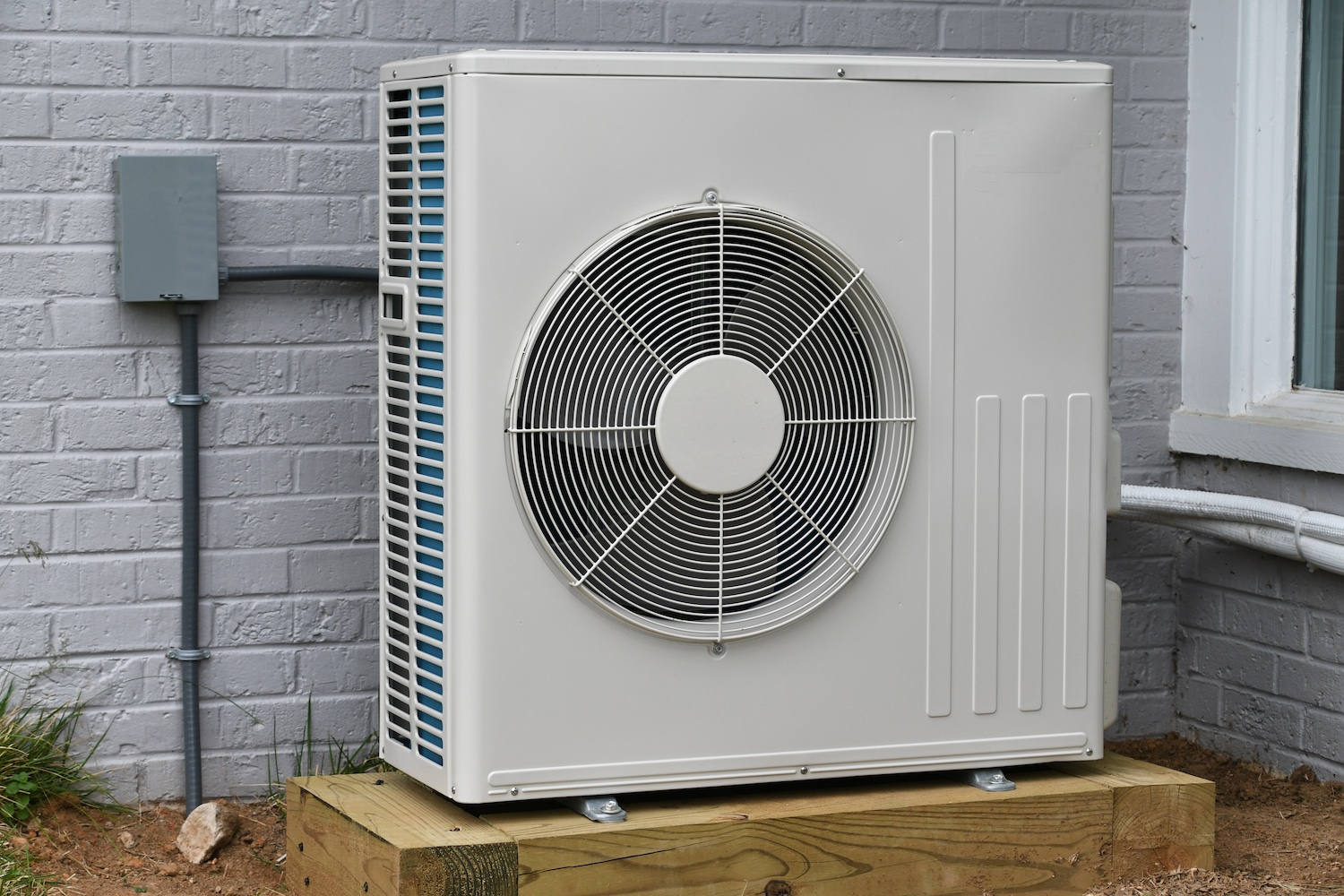
- Heat Pumps: Transfer heat from the outside air or ground into your home, even in freezing temperatures.
- Radiant Floor Heating: Provides consistent warmth from the floor up, reducing energy loss.
- Biomass Systems: Use renewable organic materials, such as wood pellets, for heating.
Renewable Energy Benefits
A modern high-efficiency heat pump is the single biggest efficiency upgrade most Utah homes can make, and today's cold-climate models hold their output well into the single digits — exactly the range a Northern Utah winter throws at them. Pairing an electric heat pump with your existing gas furnace in a "dual-fuel" setup lets the system automatically switch to whichever is cheaper as the temperature drops. If you're comparing options, our heat pump vs. AC + furnace cost comparison runs the 10-year numbers for Utah homes. Solar and geothermal reduce long-term utility costs too, and Utah's abundant sunlight makes solar a reasonable fit — though incentives have shifted in 2026, so confirm current programs before you budget around them (more on that below).
Rebates and Incentives in 2026: What Changed
This is the part of the picture that shifted the most for 2026, so it's worth getting right before you plan an upgrade.
The federal 25C tax credit has expired
For several years the federal 25C Energy Efficient Home Improvement Credit gave homeowners up to $2,000 back on a qualifying heat pump and up to $600 on a high-efficiency furnace or AC. Under the One Big Beautiful Bill Act signed in 2025, that credit was terminated for equipment placed in service after December 31, 2025. In plain terms, a new system installed in 2026 no longer qualifies for the federal credit. (If you installed qualifying equipment on or before December 31, 2025, you can still claim it on your 2025 tax return — keep the invoice and manufacturer certification and ask your tax preparer.) Always confirm your own situation with a qualified tax professional.
Utah utility rebates are still active
The good news: the local rebates that do the most to lower an efficient-upgrade's cost are still running.
- Rocky Mountain Power Wattsmart Homes pays cash rebates on qualifying high-efficiency electric equipment — up to around $1,700 for a qualifying air-source heat pump and up to $2,000 for dual-fuel, ductless, or ground-source systems, plus a rebate on a qualifying smart thermostat. Actual amounts depend on efficiency and configuration and are set by the current Utah Public Service Commission tariff, so confirm the latest figures at rockymountainpower.net.
- Enbridge Gas ThermWise (formerly Dominion Energy in Utah) offers rebates on qualifying high-efficiency gas furnaces and on weatherization measures like attic insulation and air sealing. Confirm current offers at thermwise.com.
- Weatherization Assistance Program: income-qualified households can receive help with insulation and efficiency upgrades through Utah's program.
For the full, current breakdown — including how to stack a utility rebate with financing so you don't front the cash — see our guide to HVAC financing in Utah and our complete 2026 heat pump rebates guide.
Get Your System Ready Before the Deep Cold
The cheapest, most reliable efficiency step is a professional tune-up before the heating season peaks. Salmon HVAC has served Northern Utah families since 1979, and our technicians know exactly how our altitude, dry air, and inversion winters affect a heating system. Whether you need a seasonal tune-up, a furnace replacement, a heat pump, or indoor air quality help for inversion season, we'll size it right and quote it upfront. Call (801) 397-0030 or request a free quote today.
Final Thoughts
Achieving real heating efficiency through a Northern Utah winter comes down to proactive steps: seal drafts, improve insulation, use your thermostat strategically, and keep your system professionally maintained. When it's time to upgrade, lean on the utility rebates that are still active in 2026 — and remember the federal 25C credit no longer applies to equipment installed this year. Put these habits together and you'll enjoy a warm, even, comfortable home while keeping your winter energy bills in check.
FAQs
Q: What are effective ways to improve heating efficiency in Utah homes?
A: Seal windows and doors, improve insulation, and maintain your heating system. Use programmable thermostats and insulate ductwork to reduce energy waste.
Q: How often should I service my heating system?
A: At least once a year, ideally before winter. Regular maintenance ensures efficiency and prevents costly repairs.
Q: Are programmable thermostats worth the investment?
A: Yes. They optimize temperature control, reduce energy consumption, and save money by lowering heating when you’re away or asleep.
Q: What are the best insulation options for Utah winters?
A: Fiberglass batts, spray foam, and foam boards are effective. Focus on insulating attics, walls, and ductwork.
Q: How can I use natural sunlight for heating?
A: Open blinds during the day to let sunlight in and close them at night to retain heat. Position reflective surfaces to redirect sunlight into living spaces.