Published November 17, 2026 • 9 min read
- Upgrade the filter first. A MERV 11 pleated filter is the sweet spot for pollen and pet dander in most Northern Utah homes; go to MERV 13 only if your system can handle the airflow.
- Run the fan, not just the AC. Switch your thermostat fan to circulate (or ON) so air keeps passing through the filter even when the system isn't cooling.
- Change filters more often in spring. Pollen and dust load them fast — check monthly, swap every 30–60 days during peak season.
- Add an air cleaner where it counts. A whole-house media cleaner treats the whole home; a portable HEPA unit is ideal for the bedroom.
- Start early. Tree pollen can begin in February here — get set up by late February or early March.
- Want help dialing it in? Call (801) 397-0030 or request an indoor air quality visit.
If your eyes start itching and your nose runs the moment the Wasatch Front greens up, you already know Utah is a rough place to have seasonal allergies. What a lot of homeowners don't realize is that the single most effective allergy tool in the house isn't a pill or a nasal spray — it's the central heating and cooling system humming away in the basement. Every hour it runs, it can pull a meaningful share of the pollen, dust, and dander out of your indoor air, if it's set up to do that job.
The problem is that most systems aren't. They ship with the cheapest filter that keeps the equipment clean, the fan set to only run during cooling, and no dedicated air-cleaning stage at all. The good news: fixing that is inexpensive and mostly within a homeowner's reach. This guide walks through the three levers that matter — your filter, any add-on air cleaner, and your thermostat settings — plus how to keep allergens from getting into the house in the first place, and the Northern Utah allergy calendar so you know when to get ready.
Why spring allergies hit so hard along the Wasatch Front
Utah consistently ranks among the tougher states for seasonal allergies, and our local geography and climate pile on in a few specific ways:
- A long, overlapping pollen calendar. Tree pollen can start as early as February with juniper and cedar, grasses take over from late spring into summer, and weeds carry things into fall. The seasons overlap, so a sensitive person can react for months.
- Dry, dusty air that keeps pollen airborne. Our arid climate means pollen and fine dust don't get rinsed out of the air the way they do in wetter regions — they stay suspended and drift indoors on every open door and window.
- The valley bowl holds things in. The same geography that traps winter inversion pollution in the Salt Lake and Davis valleys also keeps spring pollen concentrated close to the ground where you breathe it.
- Wind events. Spring windstorms coming off the Great Salt Lake and down the canyons can spike dust and pollen in a single afternoon.
You can't change the weather, but you can control the air inside your home — and that's where your HVAC system earns its keep.
Your HVAC system is your first line of defense
Here's the mechanism in plain terms. A central forced-air system constantly pulls your home's air back through return vents, pushes it across a filter, and sends it back out through the supply registers. Every pass is a chance to strip particles out of the air. A window unit or a space heater doesn't do this; a whole-home ducted system does, which is why it's such an underused allergy weapon.
But that cleaning only happens on two conditions: the air has to pass through a filter good enough to catch allergens, and the fan has to actually be moving air. Nail both and a surprising amount of spring pollen never reaches your lungs. Miss either and the system is just recirculating the same allergen-laden air. The next three sections tackle them in order of impact.
Step 1: Get the filter right — the MERV sweet spot
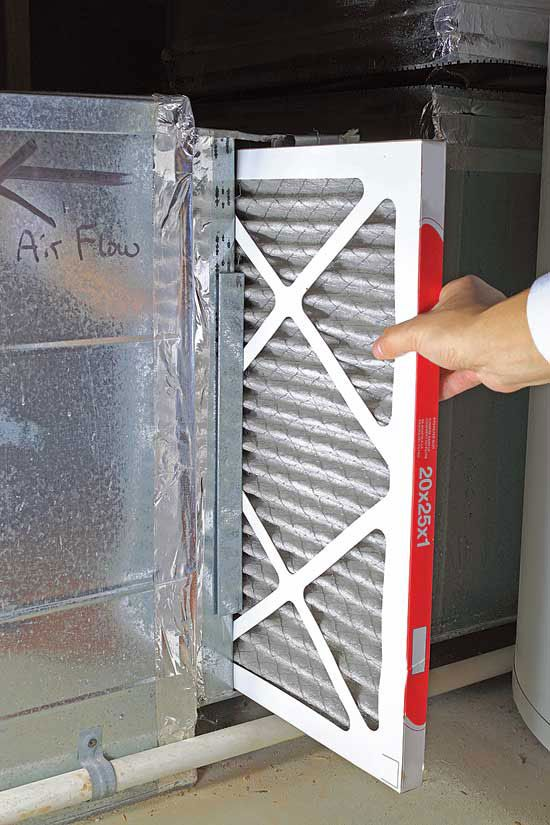
Air filters are rated on the MERV scale (Minimum Efficiency Reporting Value), which runs from 1 to 16 for residential equipment. The higher the number, the smaller the particles it captures — but also the more it resists airflow. That trade-off is the whole game.
| MERV rating | What it catches | Best for |
|---|---|---|
| MERV 1–4 (basic fiberglass) | Large lint and dust only — too coarse to matter for allergens | Protecting the equipment, not your health |
| MERV 8 | Everyday dust, most pollen, some pet dander | A solid baseline for homes without allergy sufferers |
| MERV 11 | Fine pollen, pet dander, mold spores, finer dust | Allergy households — the usual sweet spot |
| MERV 13 | All of the above plus smoke and very fine particles (PM2.5) | Severe allergies or smoke — only if the system allows it |
For spring allergies, MERV 11 is the recommendation that fits most homes. It's a dramatic step up from the flimsy fiberglass filters at catching pollen and dander, yet it's still open enough that a typical residential blower can pull air through it without strain. If allergies are severe, or you also want to knock down summer wildfire smoke, MERV 13 captures finer particles still.
The one caveat that matters: a filter that's too dense for your system restricts airflow, which makes the blower work harder, reduces comfort, and over time can stress the equipment. Before you jump to MERV 13, check your furnace or air handler's documentation for the maximum MERV it supports — or have a technician confirm it. On many older or lower-powered systems, a quality MERV 11 is the safe ceiling, and a deeper 4-inch media filter (which offers high filtration with low airflow resistance because of its larger surface area) is often a better route to MERV 13-level cleaning than a dense 1-inch filter. Our Utah air-filter replacement guide walks through sizes and types, and this guide on filters for pets and allergies goes deeper on the allergy angle.
Change it more often in spring
Whatever filter you choose only works while it has capacity left. During peak pollen season, a filter loads up faster than it does the rest of the year. Check it monthly and plan to replace a 1-inch pleated filter every 30 to 60 days in spring, rather than the usual 90. A clogged filter is a double loss: it stops capturing new allergens and it chokes airflow, so your system runs longer and less efficiently for worse air. Setting a phone reminder on the first of the month through spring is the simplest fix.
Step 2: Set the fan to work for you
This is the free upgrade almost nobody uses. Walk to your thermostat and look at the fan setting. It's almost certainly on AUTO, which means the blower only runs when the system is actively heating or cooling. On a mild spring day when the AC barely kicks on, that filter is sitting idle for most of the hour — and so is your air cleaning.
You have two better options:
- Fan ON. The blower runs continuously, so air passes through the filter around the clock. Maximum filtration, but it uses more energy and, on a system with AC, can re-evaporate some moisture off the coil.
- Circulate mode. If your thermostat offers it (most modern and smart thermostats do), this is the best of both worlds — it runs the fan in periodic bursts, often around 35 minutes of each hour, to keep air filtering without the full-time energy cost. For allergy season, this is the setting we'd point most homeowners to.
Switching from AUTO to circulate is a 10-second change that meaningfully increases how many times your home's air gets scrubbed each day. If you have a smart thermostat, you can even schedule heavier circulation during the daytime hours when pollen counts peak. For more on dialing in a smart thermostat, see our piece on whether smart thermostats are worth it.
Step 3: Add an air cleaner where it earns its keep
A good filter and a running fan handle the bulk of the work. If allergies are stubborn, a dedicated air-cleaning stage adds another layer. Here are the options, honestly compared:
Whole-house media air cleaners
These install at the furnace or air handler and act as a high-capacity filtration cabinet — typically a thick 4- or 5-inch media filter that delivers MERV 13-level cleaning with low airflow resistance. Because they treat every cubic foot of air the ductwork touches, they're the strongest option for whole-home allergy relief, and they only need changing once or twice a year. The trade-off: they require the fan to be running (see Step 2) and usually a professional installation to fit a cabinet into the ductwork.
Portable HEPA air purifiers
A true HEPA filter captures 99.97% of particles down to 0.3 microns — finer than any standard furnace filter — but HEPA media is far too dense to put in a central HVAC system without strangling it. That's why HEPA lives in portable room units instead. A portable purifier only cleans the room it's in, which makes it perfect for the bedroom, where you spend roughly a third of your day and want the cleanest possible air for sleep. Size the unit to the room (check its CADR rating) and run it on the door-closed setting at night.
UV and other add-ons
UV lamps installed in the system target mold and biological growth on the coil rather than airborne pollen, so they're more of an air-quality and coil-hygiene measure than a direct pollen fix. They can be a worthwhile complement in the right home, but they're not a substitute for good filtration. If you're weighing whether any purifier is worth it, our article on whether you really need an air purifier lays out the evidence.
The practical answer for most Northern Utah allergy households is a combination: a MERV 11 (or media-cabinet MERV 13) filter on the HVAC system for the whole house, plus a portable HEPA unit in the main bedroom. Together they cover both whole-home circulation and the one room where clean air matters most.
Keep allergens from getting in — and settling
Filtration catches what's already airborne indoors. It's even more effective when you also limit what gets in and reduce what settles on surfaces to be kicked up later:
- Keep windows closed on high-pollen days. It's tempting to throw the windows open on the first warm week, but that invites the pollen straight in. Let the HVAC system and its filter do the air exchange instead on peak days.
- Control humidity. Our dry spring air is hard on sinuses, but too much humidity breeds dust mites and mold. Aim for roughly 35–50% indoor relative humidity — a whole-house humidifier or dehumidifier tied to the system keeps it in range. (Our whole-house vs. portable humidifier guide covers the Utah-specific trade-offs.)
- Mind the ductwork. If your ducts are visibly full of dust or you've recently remodeled, a professional duct cleaning can remove a reservoir of settled allergens the system would otherwise recirculate. It's not an every-year service, but it helps in the right situations.
- Keep the coil and drain clean. A dirty evaporator coil or a damp, clogged condensate drain can grow mold that the airflow then distributes. A seasonal tune-up catches this — tie it into your spring AC tune-up.
- Source control indoors. Entry mats, leaving shoes at the door, and regular vacuuming with a HEPA-bagged vacuum keep tracked-in pollen from becoming airborne again.
The Northern Utah allergy calendar — when to get ready
Timing your prep matters, because the season starts earlier than most people expect. Here's the rough Wasatch Front pattern:
| Window | Main trigger | What to do |
|---|---|---|
| Late Feb – April | Tree pollen (juniper, cedar, then others) | Upgrade the filter, switch the fan to circulate, start monthly filter checks |
| May – July | Grass pollen peaks | Keep windows closed on windy days; stay on the 30–60 day filter swap |
| Aug – first frost | Weed pollen (ragweed and others) | Maintain filtration; a portable HEPA in the bedroom helps most here |
A heavy winter snowpack can push the tree-pollen start back by a few weeks, but the safe move is to have your filter upgraded and your fan set to circulate by late February or early March — before symptoms start, not after. Pollen counts swing day to day with the weather, so checking a current local pollen forecast helps you decide which days to keep buttoned up.
When to bring in a pro
Plenty of this is DIY: swapping to a MERV 11 filter, flipping the fan to circulate, and running a bedroom purifier are all homeowner jobs. Call a professional when you want to:
- Confirm the highest MERV your specific system can handle without airflow problems.
- Install a whole-house media air cleaner, UV system, or a humidifier/dehumidifier integrated with your HVAC.
- Clean the coil and condensate drain, or assess whether duct cleaning is warranted.
- Diagnose rooms that never seem to get clean air — often an airflow or ductwork balance issue.
Salmon HVAC has kept Northern Utah homes comfortable since 1979, and our indoor air quality services cover everything from the right filter to whole-house air cleaners across Davis, Weber, Salt Lake, and Morgan counties — from Centerville and Bountiful to Ogden and Salt Lake City. You can request a quote, get in touch with a question, or call (801) 397-0030 and we'll help you set your system up for the season.
Make This the Spring You Breathe Easy
The right filter, a fan set to circulate, and the right air cleaner can turn your HVAC system into a whole-home allergy filter. Salmon HVAC will match the setup to your system and your family — let's get it ready before pollen season starts.
Frequently Asked Questions
What MERV rating is best for allergies in a Utah home?
For pollen, pet dander, and mold spores, MERV 11 is the usual sweet spot — it captures fine allergens far better than the cheap MERV 1–4 fiberglass filters while still letting most home systems breathe. If your system can handle it, MERV 13 filters even finer particles, including wildfire smoke. The catch is airflow: a filter that's too dense for your blower restricts airflow and can strain the system, so check your furnace or air handler's maximum rating before jumping to MERV 13, or ask an HVAC tech to confirm it's a safe match.
Does running my furnace fan help with spring allergies?
Yes. Most thermostats default the fan to AUTO, meaning it only runs during active heating or cooling. Switching the fan to ON — or to a "circulate" setting if your thermostat has one — keeps air moving through the filter even when the system isn't heating or cooling, so more of your home's air gets scrubbed of pollen each hour. Circulate mode is the smarter choice because it runs the fan in periodic bursts rather than continuously, giving you much of the filtration benefit without the full-time energy use.
How often should I change my air filter during allergy season?
During peak pollen season, check the filter monthly and replace it as soon as it looks loaded with dust and debris. A 1-inch pleated filter in an allergy household often needs changing every 30 to 60 days in spring, versus the typical 90 — pollen, pet dander, and the fine Wasatch Front dust clog it faster. A dirty filter doesn't just stop catching allergens; it chokes airflow and makes your system work harder, so staying ahead of it protects both your air and your equipment.
Is a whole-house air cleaner better than a portable air purifier?
They solve different problems. A whole-house media air cleaner or filtration cabinet installs at the furnace and treats the air everywhere the ductwork reaches, so it's the better long-term fix for whole-home allergy relief — and it only works when the system fan is running. A portable HEPA purifier treats one room at a time and is excellent for a bedroom, where you spend a third of your day and want the cleanest air. Many Northern Utah allergy households use both: a higher-MERV or media filter on the HVAC system for the whole house, plus a portable HEPA unit in the bedroom.
When does allergy season start in Northern Utah?
Tree pollen typically kicks off the Wasatch Front allergy season in late winter to early spring — juniper and cedar can show up as early as February, with tree pollen running strong through roughly April. Grass pollen then takes over from about May into July, and weeds dominate in the fall. A heavy winter snowpack can delay the tree-pollen start by a few weeks. Because the season starts earlier than many people expect, it's worth getting your filter upgraded and your system ready in late February or early March, before symptoms begin.