
Published August 13, 2026 • 9 min read
- Inversion pollution gets indoors. The PM2.5 trapped over the valley seeps into a closed-up house — filtering the air is what actually protects you, not just staying inside.
- Upgrade to a MERV 13 filter (if your system supports it) — it catches roughly 90% of the 1–3 micron particles that make up inversion smog.
- Run the fan on "circulate." Set the thermostat fan to ON so your furnace keeps cleaning the air between heating cycles.
- Add a HEPA room purifier in bedrooms and offices for the worst multi-day episodes, sized to the room's square footage.
- Seal the easy gaps and skip indoor pollution sources. Weatherstrip doors, avoid burning candles or wood, and keep the garage door closed to the house.
- Want a whole-home solution? Call Salmon HVAC at (801) 397-0030 for an indoor air quality assessment.
If you've spent a winter along the Wasatch Front, you know the look: a crystal-clear morning up on the benches, and a flat gray-brown haze sitting in the valley below like dishwater. That's a temperature inversion — and during a bad one, Salt Lake City has ranked among the worst air quality in the entire country. The advice you always hear is to stay indoors. It's good advice. But there's a catch nobody mentions: the air inside your home is only as clean as you make it.
Salmon HVAC has kept Davis, Weber, Salt Lake, and Morgan county homes comfortable since 1979, and inversion season is when we get the most calls about indoor air quality. The good news is that the same forced-air system that heats your house can double as a whole-home air cleaner — and a handful of upgrades can make a real, measurable difference in what your family breathes for the roughly 18 high-pollution days an average Northern Utah winter throws at us. This guide walks through exactly what works, in order of impact.
Why the Inversion Ends Up Inside Your House
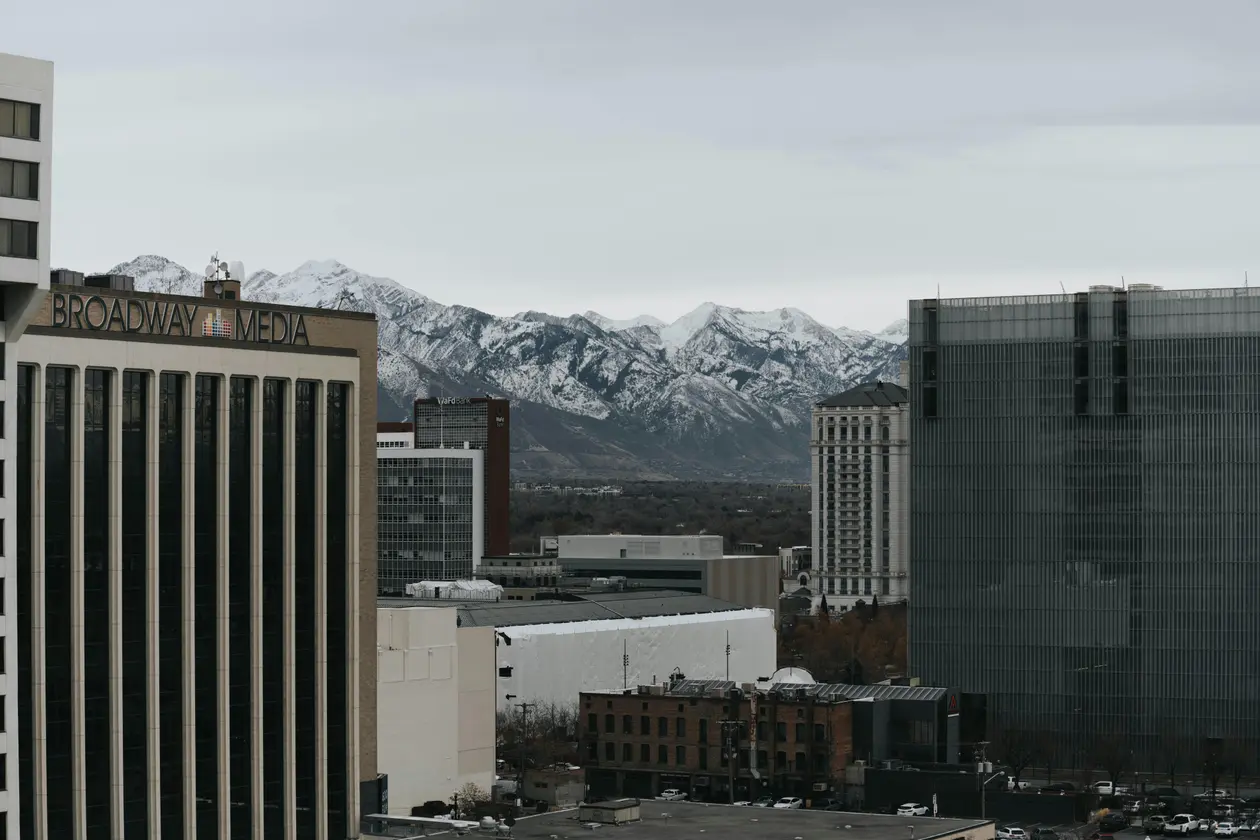
First, the mechanism — because understanding it tells you what to fix. The Salt Lake Valley sits in a bowl, ringed by the Wasatch and Oquirrh mountains. In winter, snow-covered ground chills the air at the valley floor, and a layer of warmer air settles on top of it like a lid. That warm lid stops the cold, dirty air below from rising and mixing out. Everything we emit — and transportation alone accounts for nearly half of wintertime particulate pollution — gets trapped in the valley, concentrating day after day until a storm finally scours it out.
The pollutant that matters most is PM2.5: fine particulate matter 2.5 microns and smaller. It's the same size class as wildfire smoke, and it's dangerous precisely because it's so small — small enough to travel deep into your lungs and bloodstream. A BYU study estimated that Utah's air pollution shortens median life expectancy by 1.1 to 3.6 years and contributes to thousands of premature deaths a year. This is not just a "hazy view" problem.
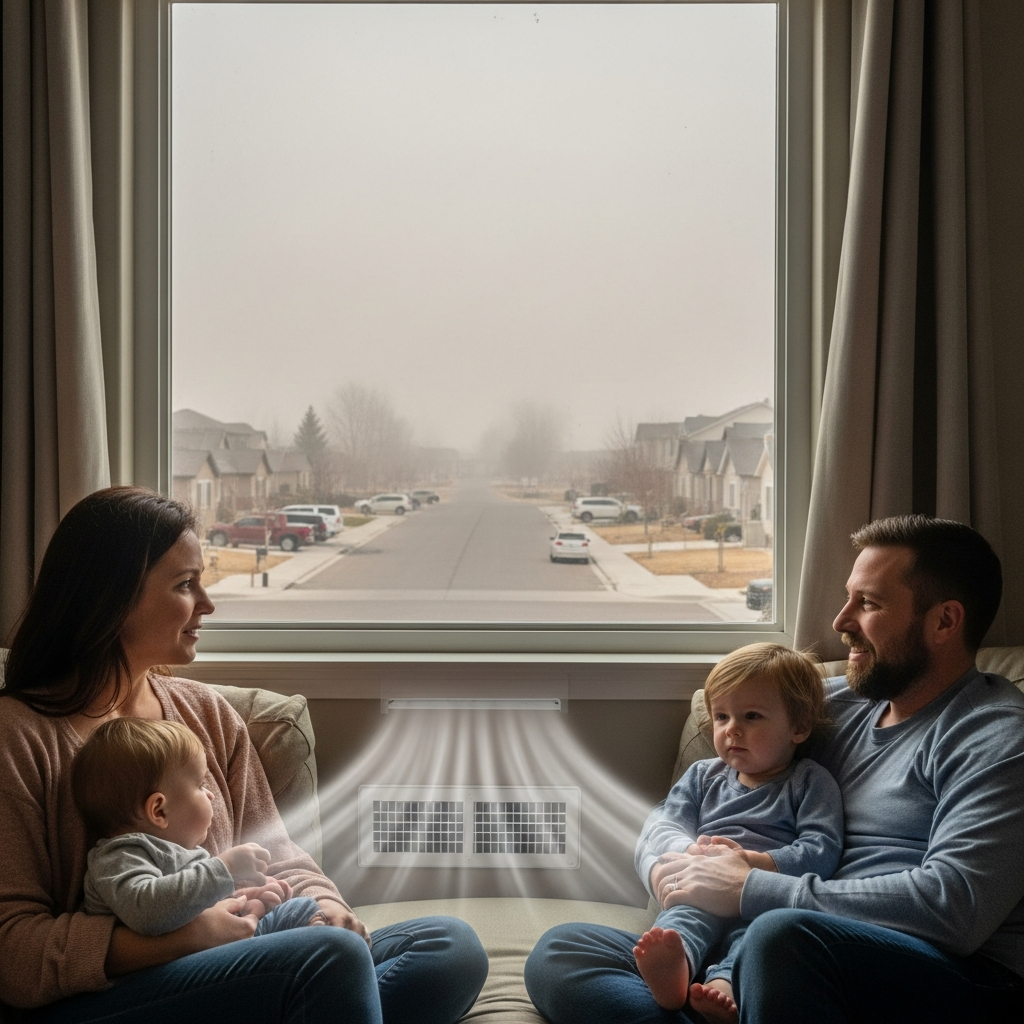
And here's why staying inside isn't automatically enough: particles that small don't respect your walls. They drift in through gaps around doors and windows, through the small leaks every home's ductwork and building envelope has, and they hitch a ride indoors on coats, shoes, and pets. Without active filtration, indoor PM2.5 during a multi-day inversion tends to creep up toward outdoor levels — your closed house just runs a few hours behind the street. Our companion piece, Should I Run My HVAC During a Utah Inversion?, digs into the "recirculate vs. fresh air" question in more depth; this guide is the full playbook for cleaning that indoor air.
Step 1: Upgrade Your Furnace Filter (Biggest Bang for the Buck)
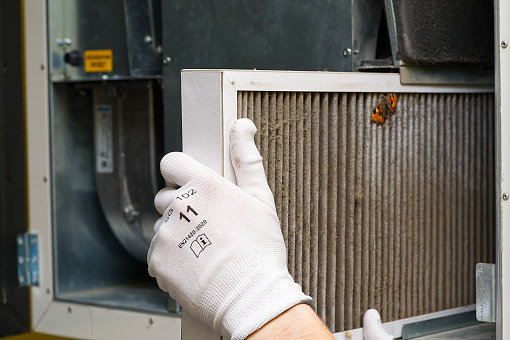
The single most cost-effective upgrade is the filter your system already uses. Most homes ship with a cheap 1-inch fiberglass filter that's designed to protect the equipment, not your lungs — it catches lint and hair and lets fine particles sail right through.
For inversion pollution, you want MERV 13. On the MERV scale (Minimum Efficiency Reporting Value), 13 is the threshold where a filter is required to capture at least 50% of the smallest particles tested, and a MERV 13 pleated filter removes roughly 90% of particles in the 1–3 micron range — exactly the band that dominates inversion PM2.5. Below about MERV 8, you get almost no fine-particle capture.
| Filter type | Fine-particle (PM2.5) performance | Best use |
|---|---|---|
| Fiberglass (MERV 1–4) | Essentially none | Protects equipment only — not your air |
| Basic pleated (MERV 8) | Limited | Everyday dust, some allergens |
| MERV 11 | Moderate | Allergies, pets, mild pollution days |
| MERV 13 | Strong (~90% of 1–3 micron particles) | Inversion and wildfire smoke — the target |
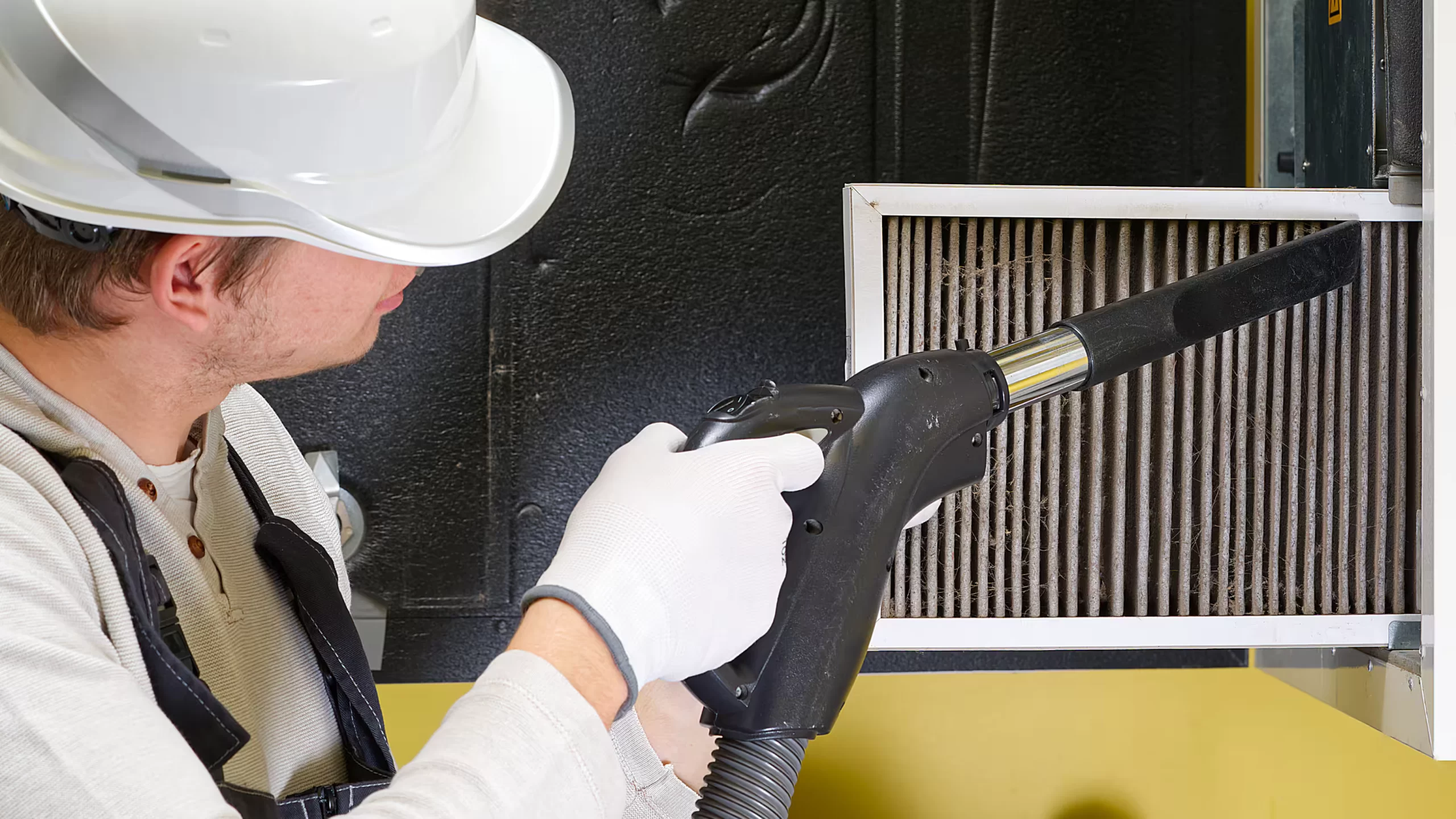
One important caveat: a denser filter is harder for the blower to pull air through. Some older furnaces will strain — or even overheat and short-cycle — behind a restrictive MERV 13 in a thin 1-inch slot. The fix is usually a lower-restriction MERV 13 or, better, a 4- or 5-inch media cabinet that offers the same filtration with far less airflow resistance. If you're not sure what your system can handle, that's a two-minute question for us. Our Utah HVAC air filter replacement guide also covers how often to swap filters — and during inversion season, expect to change them more often, since they load up faster.
Step 2: Set the Fan to "Circulate" — Not Just "Auto"
A great filter only cleans air that actually passes through it. On the default AUTO setting, your blower runs only when the furnace is actively heating — which, between cycles, can leave the air sitting still for long stretches while pollution seeps in.
Switch the thermostat fan to ON (many smart thermostats label this "circulate" and run the fan a set number of minutes per hour). Now the blower keeps pulling household air through that MERV 13 filter continuously, turning your furnace into a whole-home air scrubber even when it's not heating. The added electricity cost is modest — a furnace blower is far cheaper to run than most people assume — and during an inversion it's money well spent. If you have a variable-speed (ECU/ECM) blower, continuous low-speed circulation is especially efficient and quiet. Not sure how your thermostat is set up? Our post on how your thermostat may be sabotaging your comfort shows where these settings hide.
Step 3: Add a Portable Air Purifier Where It Counts
Whole-home filtration is your baseline; a portable HEPA air purifier is your targeted defense for the rooms that matter most — the bedroom you sleep in for eight hours, a nursery, or a home office where you spend the workday. A true HEPA unit captures 99.97% of fine particles and gives you a clean-air pocket even on the worst days of a stubborn inversion.
The number to shop by is CADR (Clean Air Delivery Rate), measured in CFM. Match it to the room: as a rule of thumb, you want a CADR of roughly two-thirds the room's square footage, so a unit rated around 300 CFM comfortably handles a 300–400 square-foot room. Undersizing is the most common mistake — a tiny purifier in a big living room is mostly decorative. Run it on a higher setting during active inversions, and don't block the intake with furniture.
Prefer a permanent, hands-off solution? A whole-home air purifier installed in your ductwork — media, electronic, or a system that also neutralizes odors and pathogens — cleans every room at once with no filters to move between bedrooms. That's exactly the kind of upgrade our indoor air quality team scopes out for inversion-weary homeowners. For the broader menu of options, four indoor air quality problems homeowners often overlook and better air at home are worth a read.
Step 4: Seal the Gaps and Stop Making It Worse Indoors
Filtration removes pollution; sealing keeps it from getting in, and good habits keep you from adding your own. None of this is expensive:
- Weatherstrip doors and windows. The same air-sealing that lowers your heating bill also blocks fine particles. Pay special attention to exterior doors and any window that rattles in the wind.
- Keep the attached garage sealed off. Never idle a car in the garage, and make sure the door between the garage and house closes tightly — vehicle exhaust is a major indoor pollution source during inversions.
- Skip the candles, incense, and wood fires. On red-air-quality days, wood burning is often restricted for a reason — it's a direct PM2.5 source. Indoors, that cozy fireplace or candle is adding to the exact particle load you're trying to filter out.
- Vent cooking to the outdoors. Use the range hood (one that actually exhausts outside) when you cook, especially frying and searing, which spike indoor PM2.5.
- Leave shoes and coats at the door. A small habit that keeps settled particles from tracking back into living spaces.
Note the tension with fresh air: normally we'd tell you to ventilate. During a heavy inversion, keep windows closed and lean on filtration instead — the outdoor air is the problem. Utah's dry winter air can make a tightly sealed home feel stuffy, so if dryness is an issue, our guide on why your Utah home is so dry in winter pairs well with this one.
Who Should Take This Most Seriously
Everyone breathes cleaner with these steps, but some households should treat inversion filtration as a priority, not a nice-to-have:
- Children and older adults, whose lungs are more vulnerable to fine particles.
- Anyone with asthma, COPD, allergies, or heart conditions. Inversion PM2.5 is a well-documented trigger for flare-ups.
- Pregnant people, since fine-particle exposure is linked to poorer birth outcomes.
- People who work from home and spend most of the day in one room — a perfect candidate for a room HEPA unit.
If someone in your home fits these categories, the combination of a MERV 13 whole-home filter running on continuous fan plus a HEPA purifier in their main room is the setup we'd recommend without hesitation.
Breathe Easier Through Inversion Season
From MERV 13 media cabinets to whole-home air purifiers, Salmon HVAC can turn your existing system into a genuine defense against valley smog. Serving Davis, Weber, Salt Lake, and Morgan counties since 1979.
Your Inversion-Season Indoor Air Checklist
Set most of this up once, before the first hard inversion, and you're covered all winter:
- ✅ Install a MERV 13 filter your system can handle (ask us if unsure).
- ✅ Set the thermostat fan to ON / circulate during inversions.
- ✅ Put a right-sized HEPA purifier in the bedroom(s) and office.
- ✅ Weatherstrip doors and windows; seal the garage-to-house door.
- ✅ No candles, wood fires, or idling cars in the garage.
- ✅ Vent cooking outside; leave shoes and coats at the door.
- ✅ Change filters more often — they load faster in dirty air.
- ✅ Check the daily AQI (the Utah DEQ forecast) and ramp up filtration on red and orange days.
Have questions, or want a professional to look at what your home actually needs? Reach out to our team — we serve homeowners across the valley, including Salt Lake City and the whole Wasatch Front.
Frequently Asked Questions
Does the outdoor inversion actually affect the air inside my house?
Yes. The fine-particle pollution (PM2.5) that builds up during a Utah inversion is small enough to drift indoors through gaps around doors, windows, and older ductwork, and it rides in on your clothes, shoes, and pets. Studies of homes during pollution events routinely find indoor PM2.5 tracking a meaningful fraction of the outdoor level unless the home is actively filtering the air. A closed-up house with no upgraded filtration is not automatically clean air — it's just outdoor air a few hours behind.
Should I run my furnace fan during an inversion?
Running the blower on the fan's ON (or "circulate") setting is one of the most effective things you can do — but only if you have a good filter installed. On ON, your furnace continuously pulls household air through the filter and puts cleaner air back into the rooms, even when it isn't heating. Paired with a MERV 13 filter, that turns your existing HVAC system into a whole-home air cleaner. With a cheap fiberglass filter, running the fan mostly just moves dirty air around, so upgrade the filter first.
What MERV rating do I need to filter inversion pollution?
Aim for MERV 13. A MERV 13 pleated filter is required to capture at least 50% of the smallest particles tested and removes roughly 90% of particles in the 1–3 micron range — the size band that dominates inversion PM2.5. Anything below about MERV 8 does little for fine particles. Before jumping to MERV 13, confirm your system can handle the added airflow resistance; some older furnaces need a media cabinet or a lower-restriction MERV 13 to avoid straining the blower. Salmon HVAC can tell you what your equipment supports.
Do I need a portable air purifier, or is my furnace filter enough?
For most homes, a MERV 13 furnace filter with the fan running is the best whole-home baseline. A portable HEPA air purifier is a smart add-on for focused cleaning in the rooms where it matters most — bedrooms, a nursery, or a home office — and during the worst multi-day episodes. Match the purifier's Clean Air Delivery Rate (CADR) to the room size; a unit rated around 300 CFM handles roughly a 300–400 square-foot room. Both together — whole-home filtration plus a room purifier where people sleep — is the strongest setup.
How long do Utah inversions last, and how many do we get each winter?
An average Northern Utah winter brings about five to six multi-day inversion episodes and roughly 18 days with elevated PM2.5. A single episode can trap pollution in the Salt Lake, Davis, and Weber valleys for anywhere from a few days to well over a week, until a storm system moves through and "scours out" the valley. Because they recur every winter from roughly November through February, it's worth setting up your home's filtration once rather than scrambling each time an inversion sets in.