
Published July 21, 2026 • 10 min read
- A heat pump usually costs $2,000–$5,000 more upfront than a new AC + gas furnace, but tends to win on 10-year operating cost because it heats and cools more efficiently.
- In Utah, cheap natural gas and cold winters shrink the heat pump's operating advantage — so the math is closer here than in high-gas-price states.
- For most Northern Utah homes, a dual-fuel (hybrid) system — heat pump + gas furnace backup — is the sweet spot for the lowest 10-year cost and comfort on the coldest days.
- The federal 25C tax credit expired after Dec 31, 2025, but Utah utility rebates are still active in 2026.
- Want the numbers run for your actual house? Call (801) 397-0030 or request a free quote.
Replacing your heating and cooling system is one of the biggest home decisions you'll make in a decade — and in 2026, the choice isn't just which brand to buy. It's a fork in the road: install a heat pump that both heats and cools with electricity, or replace the traditional pairing of a central air conditioner and a gas furnace. The sticker prices look close. The 10-year cost is where they actually part ways.
The short version: a heat pump almost always costs a little more to install but tends to cost less to run, so over a decade it often comes out ahead. But Northern Utah has two local realities — relatively cheap natural gas and genuinely cold winters — that narrow the gap and change the smart play for a lot of homes. Below, we'll walk the real 2026 numbers, show where each option wins, and explain why a hybrid "dual-fuel" system is the answer for so many Utah households.
The Two Options, Plainly
Before the dollars, make sure we're comparing the same job — whole-home heating and cooling, not just an AC swap.
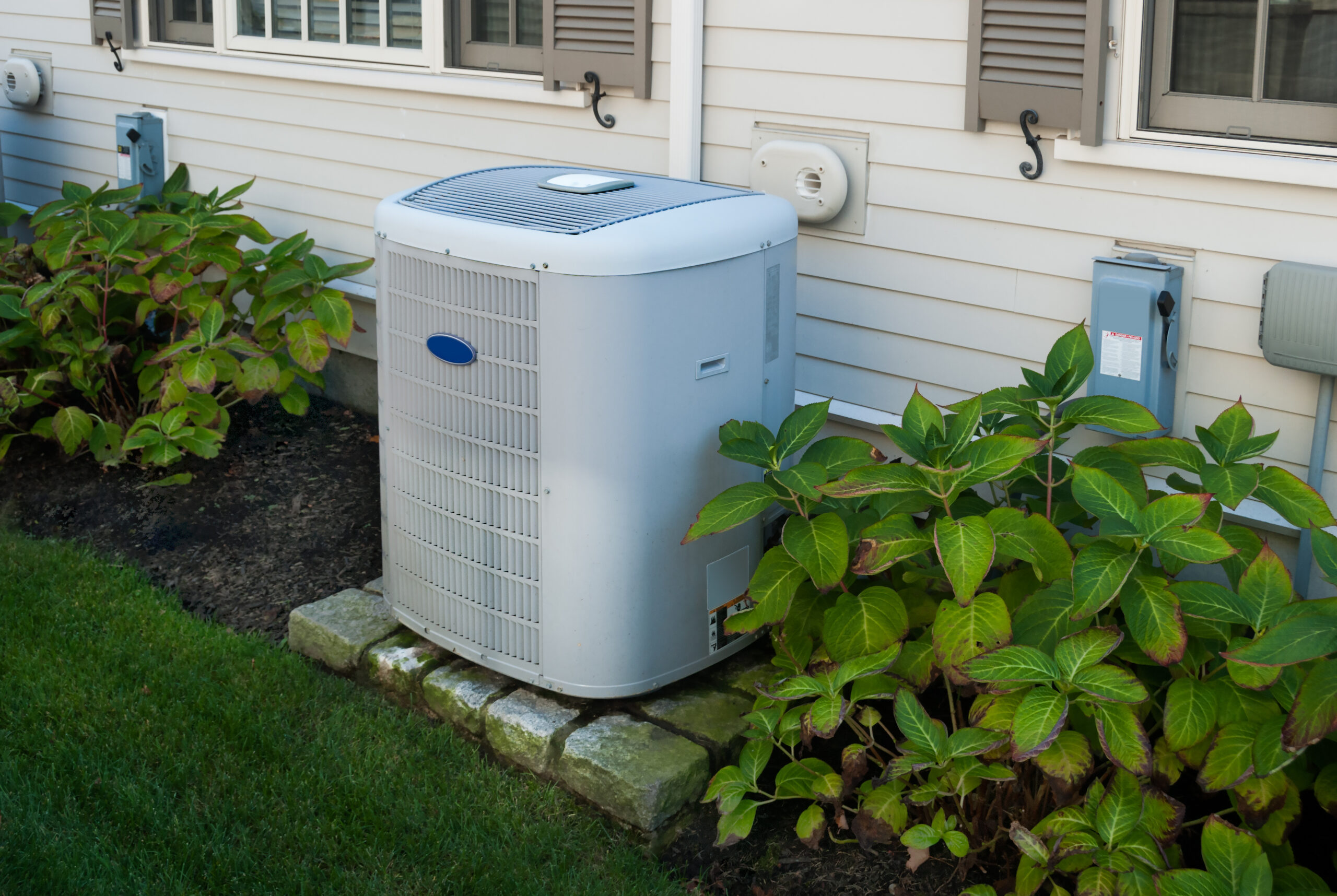
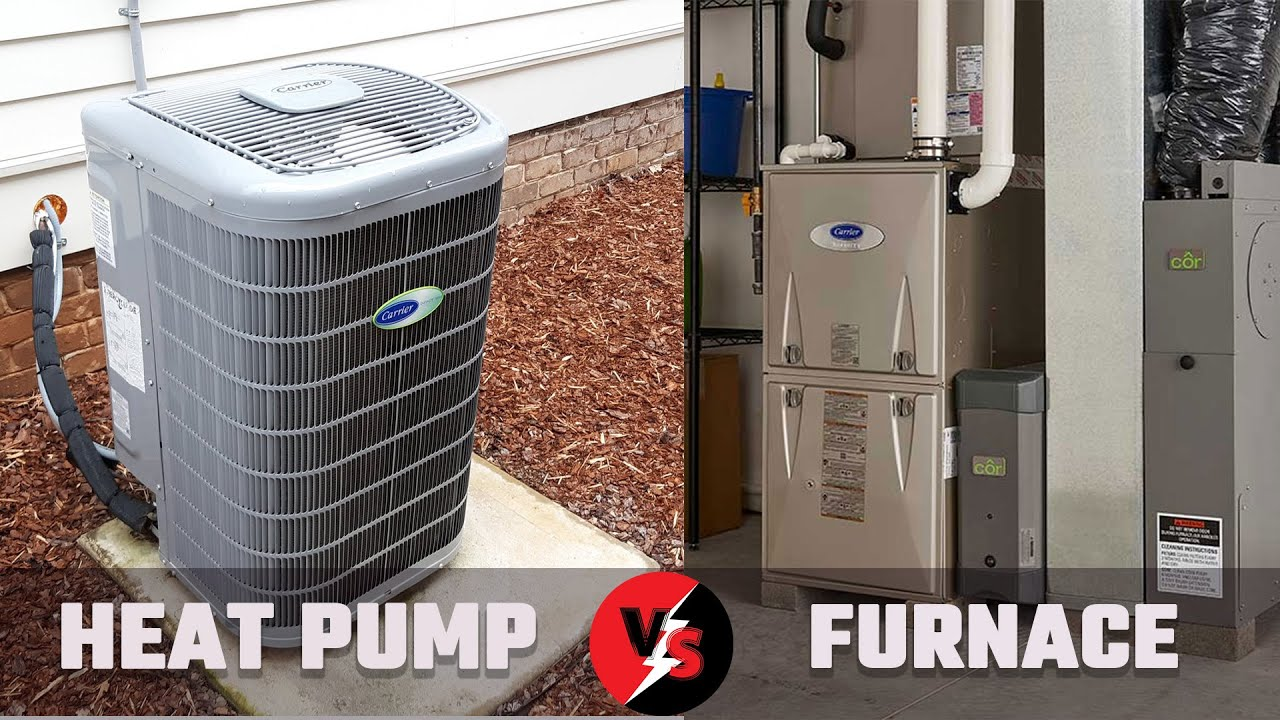
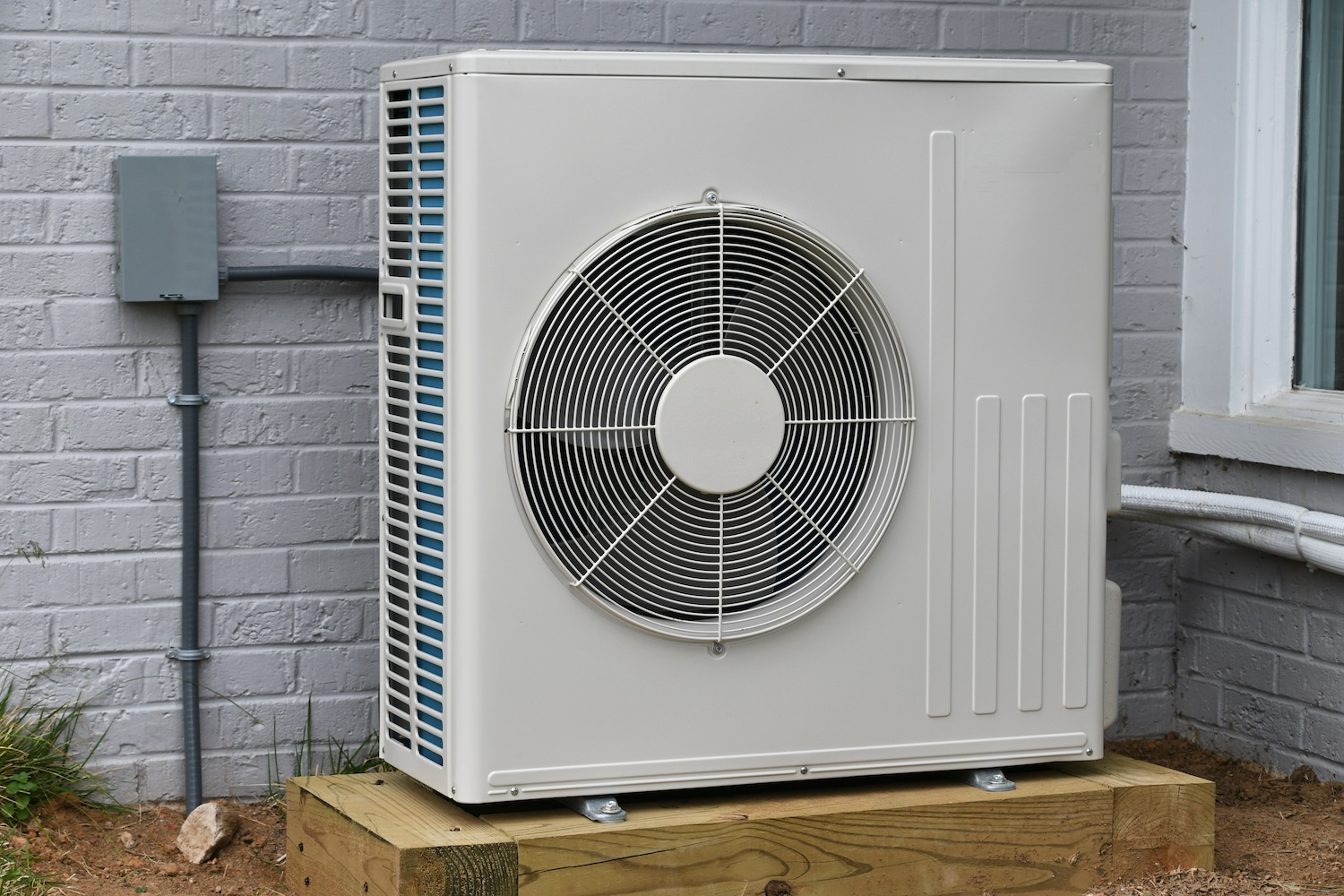
- Heat pump (all-electric): One outdoor unit that both cools in summer and heats in winter by moving heat rather than burning fuel. It replaces both your AC and your furnace's heating role (paired with an electric air handler). We cover how well these hold up locally in Do Heat Pumps Work in Utah's Cold Winters?
- AC + gas furnace (the traditional combo): A central air conditioner for summer and a natural-gas furnace for winter — the setup most Utah homes already have. You're replacing two pieces of equipment that share your ductwork.
- Dual-fuel / hybrid (the Utah favorite): A heat pump and a gas furnace working as one system. The heat pump does the cooling and the efficient shoulder-season heating; the furnace takes over on the coldest days. More on why this fits Utah below.
Every home is different, so treat these as planning ranges, not quotes. For a broader look at full-system pricing, see our 2026 Utah HVAC replacement cost guide.
Upfront Cost: Heat Pump vs. AC + Furnace (2026)
Here are realistic installed ranges for a typical Northern Utah home with usable ductwork already in place. Your number depends on home size, equipment efficiency, and how involved the install is.
| System | Typical installed cost (2026) | What it covers |
|---|---|---|
| Central AC only (replacement) | $3,500–$7,500 | Cooling only |
| Gas furnace only (replacement) | $3,500–$7,500 | Heating only |
| AC + gas furnace (both) | $7,000–$13,000 | Full heating & cooling replacement |
| Heat pump (all-electric) | $9,000–$16,000 | Full heating & cooling in one system |
| Dual-fuel (heat pump + furnace) | $11,000–$18,000 | Heat pump + gas furnace backup |
The headline: when you compare a full heating-and-cooling replacement, a heat pump typically runs about $2,000–$5,000 more upfront than a new AC + furnace — not the eye-watering gap people expect. Dual-fuel costs a bit more still, because you're buying a heat pump and a furnace. That upfront premium is exactly what the operating-cost savings need to earn back over 10 years.
Operating Cost: Where the Heat Pump Earns It Back
This is the heart of the 10-year question. A heat pump doesn't make heat — it moves it, delivering roughly two to three units of heating energy for every unit of electricity it uses. That efficiency is why heat pumps generally run 20–30% cheaper than resistance-style or older systems, and why they cool more efficiently than a dated AC.
But operating cost isn't just about efficiency — it's efficiency times the price of the fuel. And that's where Utah is different:
- Natural gas is relatively cheap in Utah. That makes gas-furnace heat inexpensive per unit of warmth, which shrinks the dollar gap a heat pump can open up in winter compared with high-gas-cost regions of the country.
- Summers are hot and long. A new high-efficiency heat pump (or a new AC) cools far more cheaply than a 12–18-year-old unit, so most of the guaranteed savings actually shows up in cooling season.
- Cold snaps cost more to heat electrically. On the deepest cold days, a heat pump works harder and leans on more electricity — the moments when cheap gas heat looks best.
Put together, an all-electric heat pump in Utah often trims your combined heating-and-cooling energy bill, but the winter savings are more modest here than the national averages suggest. That single fact is why we don't blanket-recommend all-electric to every Utah home — and why the hybrid setup below usually wins the 10-year math.
The 10-Year Picture, Side by Side
Here's how the two paths tend to stack up over a decade for a typical Northern Utah home. Treat the totals as illustrative planning ranges — your ductwork, insulation, thermostat habits, and equipment choice all move the needle.
| Factor (10-year view) | AC + Gas Furnace | Heat Pump (all-electric) | Dual-Fuel (hybrid) |
|---|---|---|---|
| Upfront cost | Lowest | +$2,000–$5,000 | Highest |
| Cooling efficiency | Good (new AC) | Excellent | Excellent |
| Winter operating cost (Utah) | Low (cheap gas) | Moderate on cold snaps | Lowest overall |
| Coldest-day comfort | Strong | Good (cold-climate models) | Strong (gas backup) |
| Equipment to maintain | AC + furnace | One unit | Heat pump + furnace |
| 2026 Utah rebate eligibility | Some efficiency rebates | Best rebate potential | Best rebate potential |
| Typical 10-yr winner | Tight budgets | All-electric goals | Most Utah homes |
Notice there's no single "cheapest" column across the board. If the lowest possible upfront cost is the goal, a new AC + furnace wins. If you want the lowest 10-year operating cost with cold-day peace of mind, dual-fuel usually wins in our climate. A pure heat pump makes the most sense when electrification is a priority or when you're replacing an aging electric-heat home.
Why Dual-Fuel Is the Utah Sweet Spot
If there's one takeaway for Northern Utah, it's this: you don't have to choose between "efficient heat pump" and "reliable, affordable gas heat." A dual-fuel (hybrid) system pairs both and lets a smart control decide which to use.
- Summer: The heat pump cools your home efficiently, just like a high-efficiency AC.
- Fall and spring: The heat pump handles heating cheaply and efficiently during the long stretch of mild-to-cold days — where it saves the most.
- Deep cold: When temperatures drop to the point that gas heat is cheaper or more comfortable, the system automatically switches to the gas furnace — no cold-day gamble.
That balance is exactly why dual-fuel tends to post the lowest 10-year operating cost in a climate like ours. It costs more upfront than a straight AC + furnace, but you capture the heat pump's efficiency for most of the year while keeping gas as your bad-weather insurance. Our heat pump services team can tell you whether your existing furnace can serve as the backup or should be replaced as part of the project. For a plain-English look at the heat-pump-or-furnace question, our older comparison, Heat Pump vs. Furnace: Which Is Right for Your Home?, is a good companion read.
2026 Rebates & Tax Credits: What Changed
Incentives can swing this decision by thousands of dollars, so get the 2026 rules right:
- The federal 25C tax credit expired. The Energy Efficient Home Improvement Credit — which had offered up to $2,000 toward a qualifying heat pump — ended for equipment placed in service after December 31, 2025. If your install wrapped up in 2025, you may still claim it on your 2025 tax return, but 2026 installations do not qualify.
- Utah utility rebates are still active in 2026. Rocky Mountain Power's Wattsmart program and Dominion Energy/Enbridge Gas's ThermWise program both offer rebates on qualifying high-efficiency equipment, and in many cases they can be combined on the same project.
- Heat pumps and dual-fuel systems tend to unlock the best rebate potential, which helps offset their higher upfront cost — another point in the hybrid column.
Because programs and amounts change, we keep a living breakdown in our complete 2026 guide to Utah heat pump rebates and tax credits. When we quote a system, we check what your specific equipment and home currently qualify for.
Which Should You Choose? Match It to Your Situation
There isn't a universally "best" system — there's the best fit for your home, budget, and how long you plan to stay. Here's how it usually shakes out for our customers.
Choose a new AC + gas furnace if…
Upfront cost is the deciding factor, your current furnace is failing, and you want the lowest install price with dependable, inexpensive gas heat on Utah's coldest nights. It's the budget-first path — just know your cooling upgrade is where most of the energy savings will come from.
Choose an all-electric heat pump if…
You want to electrify your home, you're replacing electric or aging equipment, or you value having a single unit for both seasons and the best cooling efficiency. Modern cold-climate models heat well below freezing; just plan for slightly higher bills during the deepest cold snaps here.
Choose dual-fuel (hybrid) if…
You want the lowest realistic 10-year operating cost and guaranteed comfort on the coldest days — which describes most Northern Utah homes. You'll pay a bit more upfront to have both a heat pump and a gas furnace, and the system decides which to run for you.
Whatever you pick, sizing and install quality matter more than the badge on the box. An oversized system short-cycles and wastes money; an undersized one never keeps up. Our furnace installation and AC installation teams size to your actual home, not a rule of thumb.
Let's Run the Numbers for Your Home
Heat pump, AC + furnace, or a smart dual-fuel hybrid — Salmon HVAC will walk your home, size it correctly, and give you an honest 10-year picture with current Utah rebates. Serving Davis, Weber, Salt Lake, and Morgan counties since 1979.
Frequently Asked Questions
Is a heat pump cheaper than an AC and furnace in Utah?
Upfront, a heat pump usually costs a bit more than a new central AC and gas furnace — often $2,000 to $5,000 more once you compare a full heating-and-cooling replacement rather than just the AC. Over 10 years, a heat pump typically wins on operating cost because it delivers two to three units of heat for every unit of electricity, and it cools more efficiently than an older AC. In Utah, where natural gas is relatively cheap, the operating-cost gap is smaller than in high-gas-price regions, which is why many Northern Utah homes come out ahead with a dual-fuel system that pairs a heat pump with a gas furnace backup.
Do heat pumps work in Utah's cold winters?
Yes. Modern cold-climate heat pumps keep heating efficiently well below freezing, and many are rated to produce useful heat down near 0°F. The bigger question in Northern Utah is economics, not capability: on the coldest snaps a heat pump works harder and electricity does more of the job. That's why a dual-fuel (hybrid) setup is popular here — the heat pump handles most of the season efficiently, and a gas furnace takes over on the coldest days when gas heat is cheaper.
What is a dual-fuel heat pump and why is it popular in Utah?
A dual-fuel or hybrid system pairs an electric heat pump with a gas furnace. The heat pump does the cooling in summer and the efficient heating in the mild-to-cold shoulder months, then the system automatically switches to the gas furnace when temperatures drop low enough that gas heat is cheaper or more effective. In Northern Utah, with cold winters and relatively low natural-gas prices, dual-fuel often delivers the lowest 10-year operating cost while keeping you comfortable on the coldest days.
Are there heat pump rebates or tax credits in Utah in 2026?
The federal 25C Energy Efficient Home Improvement Credit, which offered up to $2,000 toward a qualifying heat pump, expired for equipment placed in service after December 31, 2025, so it is not available for 2026 installations. However, Utah utility rebates remain active in 2026 — Rocky Mountain Power's Wattsmart program and Dominion Energy/Enbridge Gas's ThermWise program offer rebates on qualifying high-efficiency equipment, and they can often be combined. Ask us to check what your specific home and equipment qualify for.
How long does a heat pump last compared to an AC and furnace?
A gas furnace often lasts 15 to 20 years and a central AC about 12 to 18 years. A heat pump typically lasts 12 to 15 years because it runs year-round for both heating and cooling rather than only in one season. Good maintenance extends any of them. When you're weighing 10-year cost, factor in that a separate AC and furnace are two pieces of equipment on two replacement clocks, while a heat pump is one — though a dual-fuel system still has a furnace to maintain.