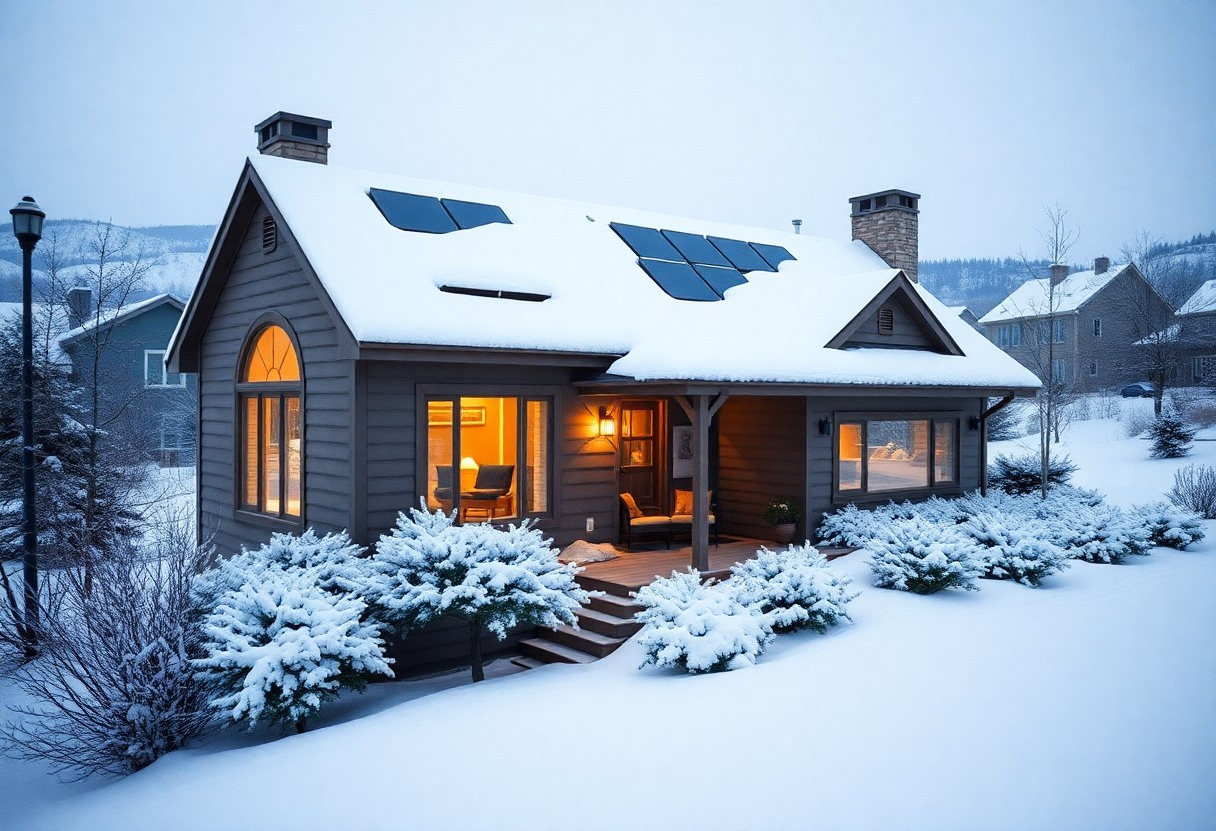
Choosing the right HVAC system for your Utah home comes down to matching four things: the size and layout of your house, our extreme Northern Utah climate, your budget, and the efficiency and refrigerant rules in effect today. Get those right and you'll stay comfortable through 100°F July afternoons and single-digit January nights while keeping your energy bills in check. Get them wrong — an oversized furnace, an underpowered AC, the wrong system for a home with no ductwork — and you'll pay for it every month for the next 15 years.
At Salmon HVAC, we've been sizing and installing systems for Davis, Weber, Salt Lake, and Morgan county homes since 1979. This is our updated 2026 guide to picking the right system, including what has changed recently — new low-GWP refrigerants, the current SEER2/AFUE efficiency standards, and the end of the federal 25C tax credit — so you can make a confident decision.
Key Takeaways
- Match the system to your home and climate: A proper Manual J load calculation — not a rule of thumb — determines the right size. Oversized equipment short-cycles, wastes energy, and wears out early.
- Efficiency standards changed: New split-system ACs in Utah's northern region must meet a 13.4 SEER2 federal minimum (2023 standard); most homeowners choose 15–18 SEER2. Furnaces range from an 80% AFUE floor to 95–98% AFUE high-efficiency models.
- New refrigerant era: Systems installed in 2025 and later use next-generation low-GWP refrigerants like R-454B or R-32 instead of the older R-410A.
- Rebates over tax credits in 2026: The federal 25C tax credit expired December 31, 2025, but Utah utility rebates through Rocky Mountain Power and Dominion Energy are still active.
The 4 Main HVAC System Types for Utah Homes
Nearly every Northern Utah home lands on one of these four setups. Here's how they compare and who each one fits best.
| System Type | Best For | Notes |
| Split System (Furnace + AC) | Most Utah homes with existing ductwork | Gas furnace for cheap, powerful winter heat paired with a central AC. The default choice along the Wasatch Front. |
| Heat Pump (often dual-fuel) | Homeowners who want one efficient system for heating and cooling | Moves heat instead of burning fuel. In our cold winters, pairing with a gas furnace ("dual-fuel") gives you the best of both. |
| Packaged System | Homes and small commercial spaces with limited indoor space | Heating and cooling combined in one outdoor cabinet. Common on rooftops and manufactured homes. |
| Ductless Mini-Split | Homes without ducts, additions, basements, garages, and zoned comfort | Wall or ceiling units with no ductwork. Excellent for room additions and problem rooms. |
Split systems: the Wasatch Front default
A traditional split system pairs a gas furnace with a central air conditioner sharing the same ductwork. For most Utah homes this remains the most cost-effective option: natural gas is relatively inexpensive here, and a furnace delivers strong, fast heat on the coldest nights. If you're replacing like-for-like, this is usually the simplest path. Learn more about our furnace installation and AC installation services.
Heat pumps: increasingly popular, especially dual-fuel
A heat pump both heats and cools by moving heat rather than generating it, which makes it very efficient. Modern cold-climate heat pumps hold their capacity well into freezing temperatures, but for Northern Utah's deep-cold snaps we most often recommend a dual-fuel setup: the heat pump handles mild and shoulder-season days, and a gas furnace takes over when it gets truly cold. If a heat pump is on your radar, our heat pump vs. AC + furnace cost comparison breaks down the 10-year math, and our heat pump services page covers installation.
Ductless mini-splits: the flexible fix
If your home lacks ductwork, has a hot upstairs bedroom, or you're finishing a basement or building an addition, a ductless mini-split is often the smartest choice. Each indoor head is independently controlled, so you can zone comfort room by room and stop paying to condition space you aren't using.
What Changed for 2026: Refrigerants, Standards & Tax Credits
If your last system was installed more than a few years ago, three things are different now.
1. New low-GWP refrigerants (R-454B / R-32)
As of January 1, 2025, new residential AC and heat pump systems can no longer be manufactured with R-410A. Instead they use next-generation, lower-global-warming-potential refrigerants such as R-454B or R-32. If you're replacing an older R-410A system, this mostly matters for future service and parts — our team is fully trained and equipped for the new refrigerants. For the full breakdown, see our R-410A to R-454B refrigerant change guide.
2. SEER2 and AFUE efficiency standards
In 2023 the Department of Energy adopted new test procedures — SEER2, EER2, and HSPF2 — that measure equipment under more realistic conditions. In Utah's northern region, new split-system air conditioners must meet a minimum of 13.4 SEER2. Most homeowners step up to a 15–18 SEER2 unit, which trims cooling costs meaningfully during our long summers. On the heating side, furnaces range from the 80% AFUE minimum up to 95–98% AFUE high-efficiency condensing models that recover more heat from every therm of gas.
3. The 25C federal tax credit expired
Through 2025, the federal 25C Energy Efficient Home Improvement Credit offered up to $2,000 toward a qualifying heat pump and up to $600 toward a high-efficiency furnace. That credit expired on December 31, 2025 under the One Big Beautiful Bill Act, so a system installed in 2026 no longer qualifies. The good news for Utah homeowners: local utility rebates from Rocky Mountain Power (Wattsmart) and Dominion Energy / Enbridge (ThermWise) remain active and can still knock hundreds off a qualifying install. Our complete 2026 Utah rebates guide shows exactly which programs still pay.
5 Factors to Weigh Before You Choose
1. Correct sizing (this is the big one)
A system that's too small can't keep up in a heat wave or a cold snap; one that's too large short-cycles, leaves your home humid or unevenly heated, and burns out sooner. Square footage alone isn't enough — insulation, window area and orientation, ceiling height, and air sealing all factor in. At Salmon HVAC we run a proper Manual J load calculation so your equipment is sized to your actual home, not a guess.
2. Northern Utah's climate and altitude
Our climate is demanding in both directions: dry, hot summers with weeks over 95°F, and cold winters that regularly drop below freezing in the valleys. Elevation also matters — gas furnaces need to be de-rated and tuned for altitude to run safely and efficiently, something a lot of out-of-area installers overlook. Homes in the benches, Morgan, and Ogden Valley see colder lows and should lean toward robust heating capacity.
3. Budget and long-term operating cost
The cheapest system to install is rarely the cheapest to own. A higher-efficiency unit costs more up front but can pay that back through lower monthly bills over a 12–15 year lifespan. For a realistic picture of current pricing in our area, see our 2026 Utah HVAC replacement cost guide. If a new system is a stretch this month, we offer flexible financing to spread the cost.
4. Indoor air quality
Utah's winter inversions and summer wildfire smoke make filtration worth planning for up front. If anyone in your home has allergies or asthma, ask about upgraded media filters, whole-home air purifiers, and humidity control when you choose your system. Our indoor air quality options integrate directly with your new HVAC.
5. Professional installation and maintenance
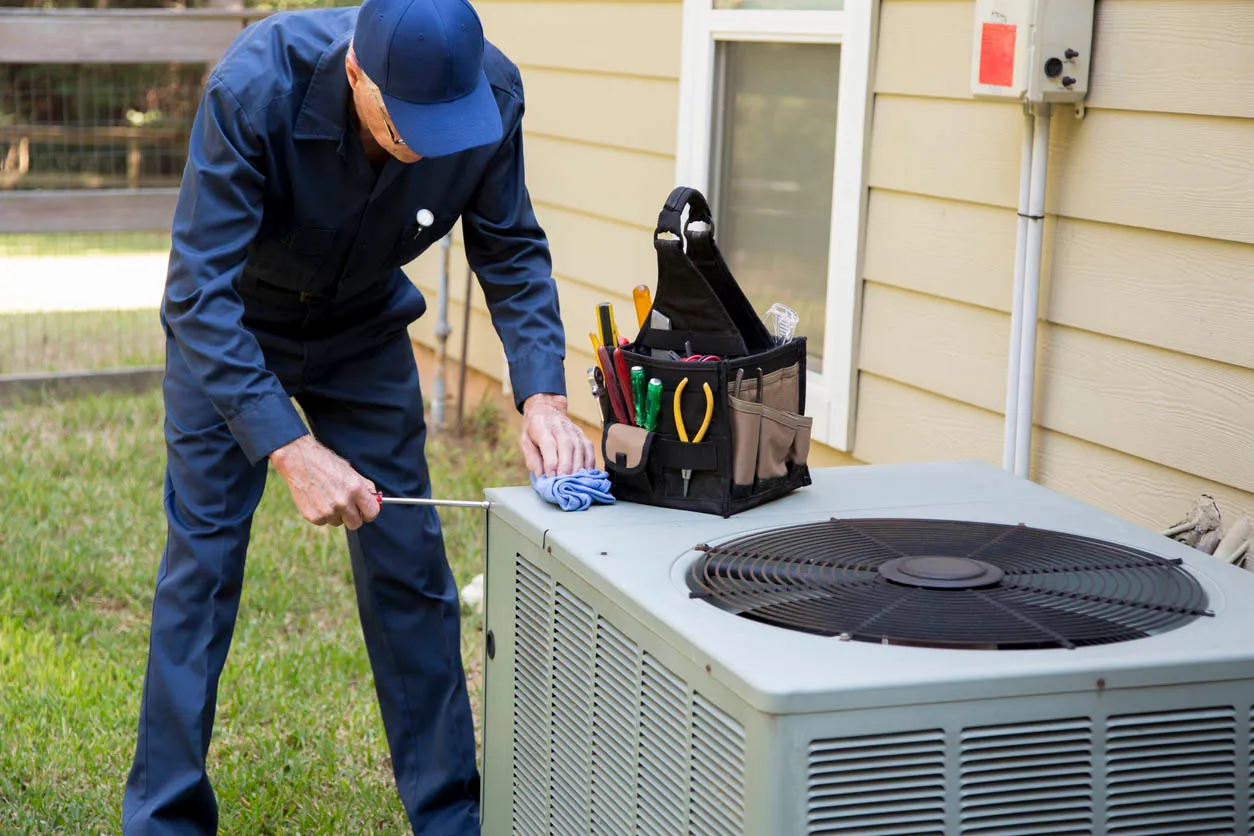
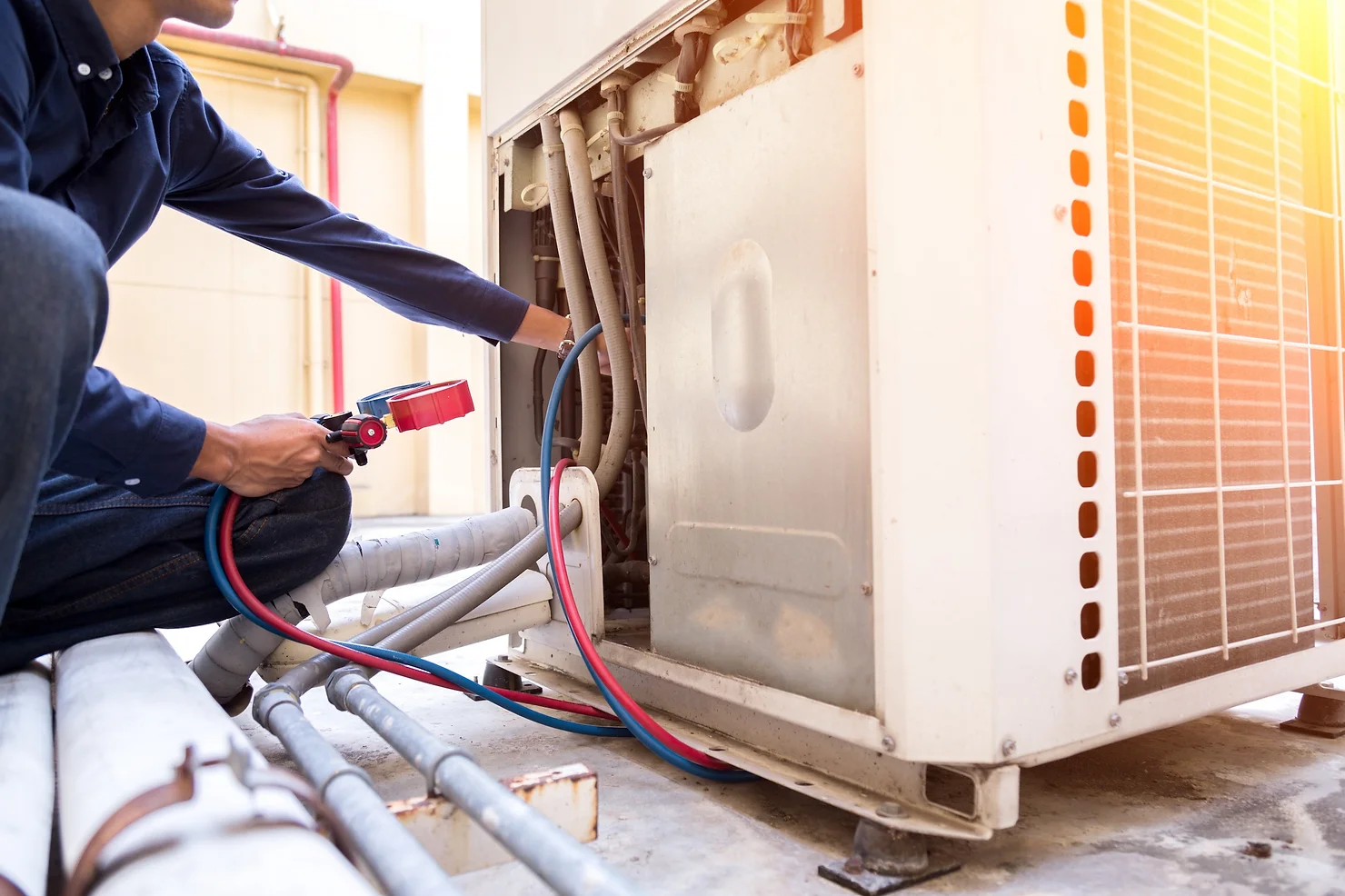
Even the best equipment underperforms if it's installed poorly — wrong charge, leaky duct connections, bad airflow. Proper installation and annual maintenance are what let a system hit its rated efficiency and reach its full lifespan. A licensed, local contractor who stands behind the work matters as much as the brand on the box.
Why Utah Homeowners Choose Salmon HVAC
- Local since 1979: Decades of experience with Northern Utah's specific climate, altitude, and housing stock.
- Daikin Comfort Pro authorized: Access to top-rated, next-generation equipment and warranties.
- Honest sizing and quotes: Real load calculations, no upselling you into equipment you don't need.
- Full-service support: Installation, maintenance plans, and 24/7 emergency service.
- Financing available: Options to fit a range of budgets.
Frequently Asked Questions
What HVAC system is best for Utah's hot summers and cold winters?
Utah's extreme seasonal temperatures call for a system that handles both heating and cooling efficiently. A split system (gas furnace + central AC) is the proven default for most homes, dual-fuel heat pumps are a strong efficient option, and ductless mini-splits are ideal where there's no ductwork. The right pick depends on your home — call (801) 397-0030 and we'll help you evaluate it.
What SEER2 rating do I need for an AC in Utah in 2026?
Split-system ACs in Utah's northern region must meet a federal minimum of 13.4 SEER2 (the current standard that replaced the old SEER metric in 2023). Most homeowners choose a 15–18 SEER2 system to balance up-front cost against summer energy savings during our long, hot months.
Do new HVAC systems in Utah still qualify for the 25C federal tax credit in 2026?
No. The federal 25C Energy Efficient Home Improvement Credit expired on December 31, 2025 under the One Big Beautiful Bill Act, so equipment installed in 2026 doesn't qualify. If you installed before that date, you can still claim it on your 2025 return with IRS Form 5695. Utah utility rebates (Rocky Mountain Power Wattsmart, Dominion/Enbridge ThermWise) remain active in 2026 — see our 2026 rebates guide.
Should I choose a split system or packaged HVAC system?
Split systems keep heating and cooling in separate units and suit most homes with existing ductwork. Packaged systems combine both in one outdoor cabinet and are handy where indoor space is tight, such as rooftops or manufactured homes. Your layout, existing infrastructure, and budget decide it — we're happy to evaluate your home.
What AFUE rating should I look for in a furnace?
AFUE measures how much of your fuel becomes usable heat. The federal minimum is 80% AFUE, while high-efficiency condensing furnaces reach 95–98% AFUE. In Utah's cold winters the extra efficiency of a 95%+ furnace can pay back through lower gas bills, especially in colder areas like the benches, Morgan, and Ogden Valley.
Is a ductless mini-split system good for Utah homes?
Yes — mini-splits are excellent for homes without ductwork, additions, basements, garages, and rooms that never feel comfortable. They deliver efficient heating and cooling with independent room-by-room control, which is a great fit for Utah's temperature extremes.
Ready to Choose the Right System? Talk to Salmon HVAC
Picking the right HVAC system is a lot easier with a local expert who knows Northern Utah's climate, altitude, and current standards. We'll run a proper load calculation, walk you through your options, and give you an honest quote — no pressure.
📞 Call us at (801) 397-0030, request a free quote, or send us a message to schedule your consultation. Let's keep your home comfortable, efficient, and ready for whatever Utah's weather brings.