
Published April 2, 2025 • Updated April 14, 2026 • 8 min read
- Utah's 4,000–5,000 ft elevation reduces oxygen density, requiring furnace combustion calibration that generic maintenance skips
- Wasatch Front winter inversions push PM2.5 particulate levels to unhealthy ranges — your HVAC filter is your primary indoor air defense
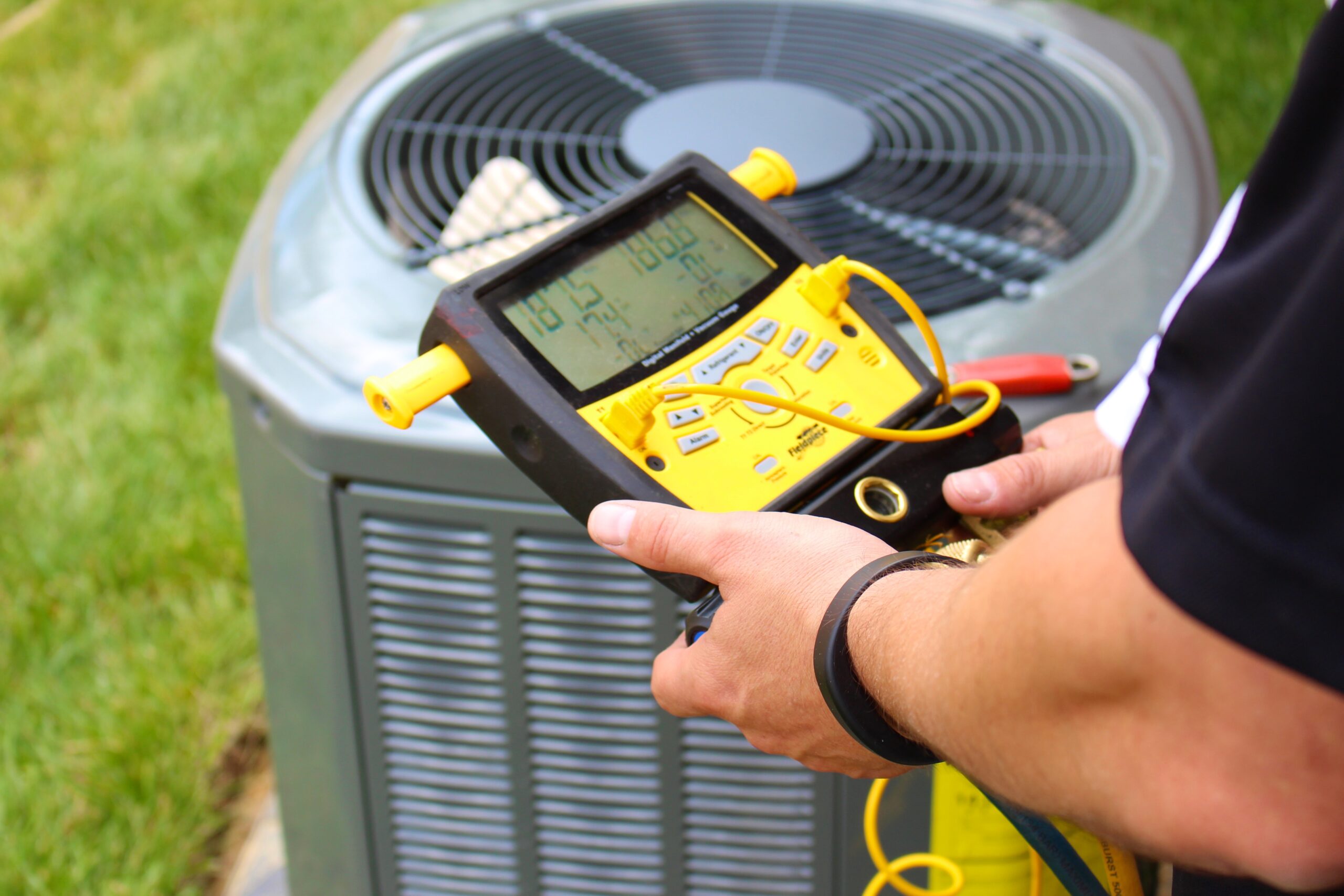
- Refrigerant superheat and subcooling targets differ at Utah's elevation from factory sea-level specs
- Desert-to-mountain humidity swings (5% RH to 80%+ RH seasonally) stress coil and duct seals differently than consistently humid climates
- Wildfire smoke, road dust, and agricultural particulates create a filter loading challenge unique to the Wasatch Front
- Smart thermostats and zoning systems deliver larger efficiency gains in Utah's variable climate than in more temperate regions
Four Seasons Plus Elevation: Utah's Unique HVAC Challenge
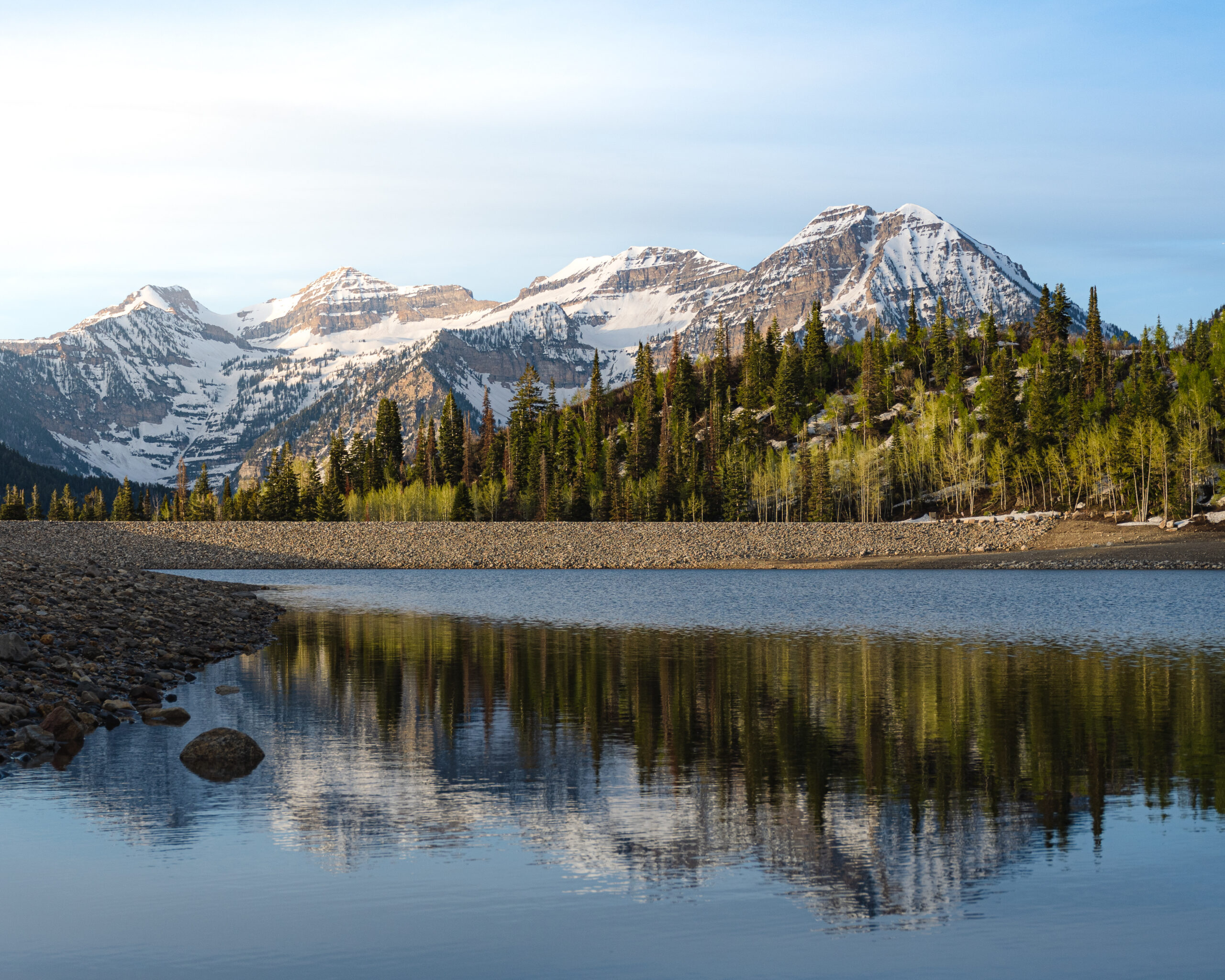
Most HVAC maintenance guides are written for a general American audience — a climate baseline somewhere around St. Louis or Charlotte. Northern Utah is not that climate. The Wasatch Front experiences genuine four-season weather compressed into a relatively short annual cycle, stacked on top of 4,200–5,000 feet of elevation, with a desert to the west and a mountain range to the east creating dramatic microclimatic variation within a 30-mile radius. The difference in maintenance demands between a Salt Lake Valley home and a Morgan County home is significant enough that they are practically different climates requiring different maintenance approaches.
What makes Utah specifically challenging for HVAC equipment is the combination of stressors rather than any single one. Altitude affects combustion and refrigerant behavior. Temperature extremes mean systems spend very little time at moderate operating conditions — they swing between near-maximum heating demand in January and near-maximum cooling demand in July. Dry desert air loads filters fast. Winter inversions periodically push outdoor air quality to levels that saturate high-efficiency filters in days. Each of these factors individually would justify adjusted maintenance practices. Together, they create a maintenance environment where generic annual service genuinely falls short.
How Altitude Affects Furnace Combustion and AC Performance
At sea level, one cubic foot of air contains approximately 0.0750 lbs of oxygen. At 4,500 feet — the approximate elevation of Centerville, Kaysville, and Farmington — that figure drops to roughly 0.0626 lbs. Gas furnaces draw combustion air from the surrounding environment. A burner calibrated for sea-level oxygen density receives too much fuel relative to the available oxygen at 4,500 feet. The result is incomplete combustion: higher carbon monoxide output, more unburned hydrocarbons, lower combustion temperature, and less effective heat transfer to the heat exchanger. In a poorly tuned furnace, this adds up to 8–15% wasted fuel and meaningfully elevated CO risk.
The fix is combustion analysis — a calibrated probe in the flue measures O2, CO, CO2, and flue gas temperature, and the technician adjusts gas pressure and primary air to optimize combustion for the actual elevation. This is standard practice for Salmon HVAC's fall furnace service visits in northern Utah. It is not standard practice for every contractor in the region. If you have never received a combustion analysis printout as part of a furnace service, your furnace's burner calibration has likely never been verified for Utah's elevation.
Inversion Season and Indoor Air Quality: The Filter Problem
Wasatch Front winter inversions are a defining feature of northern Utah winters that has no equivalent in most U.S. climates. When cold, dense air settles in the valley beneath a layer of warmer air, the normal atmospheric mixing that disperses pollutants ceases. Particulate matter from vehicle exhaust, wood burning, industrial sources, and road dust accumulates in the valley air for days or weeks at a time. During severe inversions, PM2.5 concentrations at the valley floor reach the "Unhealthy" category on the Air Quality Index, with some events reaching "Very Unhealthy."
Your HVAC system's return air draws from inside your home, but any air infiltration through building envelope gaps brings outdoor air in. More importantly, every time a door opens during an inversion event, particulate-laden air enters. The most effective way to protect indoor air quality during inversions is to run the system's fan continuously (using the "On" rather than "Auto" fan setting) and ensure a high-quality filter is in place. MERV 11–13 filters capture PM2.5 particles effectively. Standard MERV 8 filters miss a significant fraction of fine inversion particulate. Our indoor air quality services include filter specification and whole-home air quality assessment for northern Utah homes.
The filter loading caveat: high-efficiency filters restrict airflow more than standard filters. During a multi-week inversion, a MERV 13 filter can load to restriction in 2–3 weeks. During inversion season, inspect your filter every 2 weeks and replace when airflow visibly drops — the pressure drop across a loaded filter works against your blower motor and can contribute to early motor failure.
Desert-to-Mountain Humidity Swings
Utah's climate is characterized not only by low average humidity but by extreme humidity variability. Summer monsoon moisture occasionally pushes relative humidity to 70–80% in the valley. Winter inversion events can bring RH to 80–90% at the valley floor when fog is present. But the baseline condition for most of the year — especially winter — is extremely dry air, often 10–20% RH outdoors and 15–25% RH indoors with forced-air heating running.
Wide humidity swings affect HVAC equipment in ways that consistently dry or consistently humid climates do not. Refrigerant line insulation experiences repeated wetting and drying during seasonal transitions, which accelerates deterioration. Duct seals (mastic or foil tape) flex and crack with humidity cycling. Coil fins, which are aluminum in most equipment, experience more oxidation cycling in environments that alternate between very dry and briefly humid conditions than in climates that hold steady in either extreme. Annual duct inspection — running a blower door test or at minimum a visual inspection of accessible ductwork — catches deteriorating seals before they cause significant conditioned air loss into attic or crawlspace.
Wildfire Smoke, Road Dust, and Agricultural Particulates
Beyond inversions, northern Utah HVAC filters face three additional particulate challenges that compound filter loading throughout the year. Late summer wildfire smoke from western states and local fires carries fine particulates (PM2.5 and smaller) that penetrate standard filters. The smoke events of 2020, 2021, and 2023 produced sustained periods of unhealthy air quality across the Wasatch Front that lasted weeks. During these events, running your system on continuous fan with a MERV 13 filter provides meaningful indoor air quality protection.
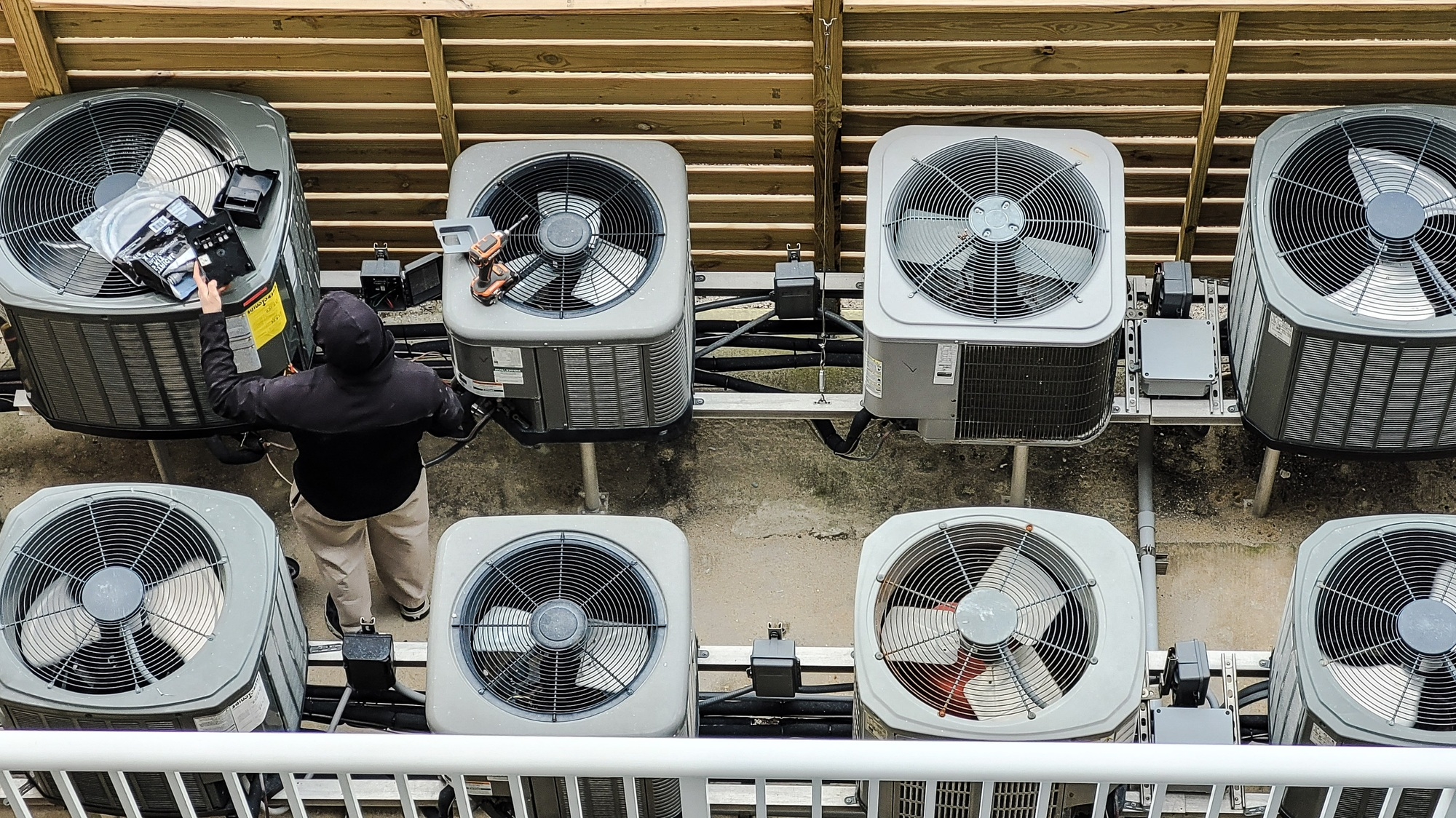
Road dust from the dry summer months loads outdoor units differently than organic particulates. Fine mineral dust in the Wasatch Front — a mix of dried lake sediment from Lake Bonneville's ancient lakebed and construction aggregate — settles on condenser coils and reduces heat transfer. Annual condenser coil cleaning is effective for this, but homes near heavily traveled roads or in areas with significant grading activity (common throughout Davis and Weber Counties) may benefit from twice-yearly coil cleaning. Agricultural particulates — grain dust, hay chaff, livestock particulates — are relevant for homes near the farm corridors in northern Davis County and throughout Weber County. These organic particulates can contribute to drain pan fouling if they enter the indoor coil area.
Smart Thermostats and Zoning for Utah's Variable Climate
Smart thermostats and zoning systems deliver efficiency gains in proportion to the variability of a home's climate and usage patterns. Utah's wide temperature swings — and the significant variance in solar gain between south-facing and north-facing rooms on a winter day — make the Wasatch Front an ideal environment for both technologies. A south-facing room in a Bountiful or Layton home can be 10–15°F warmer than a north-facing room on a clear January day, even with outdoor temperatures below 20°F. Without zoning, the thermostat keeps one room comfortable while overcooling or overheating others.
Modern communicating thermostats from Daikin and other manufacturers also provide diagnostic data that supports proactive maintenance. Runtime patterns, cycle counts, and temperature deviation alerts can flag emerging problems — a furnace cycling more frequently than normal, an AC running unusually long cycles, a zone that is not reaching setpoint — before they become failures. If your system is compatible with a communicating thermostat and you are not using one, it is worth asking about during your next service visit. Salmon HVAC installs and programs smart thermostats as part of system upgrades throughout northern Utah.
Get Expert HVAC Service Built for Utah's Climate
Salmon HVAC has served northern Utah since 1979. Our maintenance visits account for elevation, inversion air quality, and Utah's humidity extremes — not a generic checklist designed for a different climate. Call us to schedule service.
Frequently Asked Questions
What is a winter inversion and how does it affect my HVAC system?
A winter inversion occurs when a cold air mass traps warm air — and pollutants — near the valley floor beneath a warmer air layer above. During Wasatch Front inversions, PM2.5 particulate levels can reach unhealthy levels for days at a time. Running your HVAC fan continuously with a MERV 11–13 filter provides meaningful indoor air quality protection. Inspect and replace the filter frequently during severe inversion events — they load quickly under these conditions.
How does Utah's altitude affect furnace combustion?
At 4,000–5,000 feet, air contains roughly 15–18% less oxygen per cubic foot than at sea level. Gas furnaces set for sea-level combustion ratios burn incompletely at elevation — producing higher CO output, wasting fuel, and delivering less effective heat. Combustion analysis (measuring CO, CO2, flue temperature, and O2 in the flue) is the only way to confirm correct calibration for Utah's elevation, and should be part of every fall furnace service.
Why does my AC need a refrigerant check if it isn't visibly leaking?
Refrigerant charge affects both efficiency and compressor longevity. Subcooling and superheat targets — the measurements used to verify correct charge — need adjustment at Utah's elevation versus sea-level factory specs. Annual charge verification catches slow leaks before they cause a compressor failure, and confirms the system is operating at peak efficiency rather than gradually degrading.
What filter rating is best for Utah's inversion season?
MERV 11–13 filters provide the best balance of particle capture and airflow for most northern Utah homes. MERV 11 captures particles down to 1 micron, covering the fine PM2.5 particles that dominate Wasatch Front inversions. MERV 13 captures finer particles but restricts airflow more significantly — verify your system can handle the added static pressure before installing MERV 13 filters in your specific equipment.
Does the desert-to-mountain humidity swing affect my HVAC equipment?
Yes. Seasonal swings from 5–15% RH in dry desert conditions to 80%+ during summer monsoon events cause moisture cycling stress on refrigerant line insulation, duct seals, and coil surfaces. Annual duct inspection catches deteriorating seals before they cause significant conditioned air loss, and coil inspection catches early corrosion before it progresses to a refrigerant leak.