
Published January 21, 2025 • Updated April 14, 2026 • 8 min read
- Utah's temperature range — 100°F+ summers and sub-zero winters — demands systems that excel at both extremes, not just one
- Elevation above 4,000 feet reduces both furnace combustion efficiency and AC cooling capacity compared to sea-level specs
- Heating accounts for roughly 55–65% of annual HVAC energy costs in most northern Utah homes
- Cold-climate heat pumps handle both heating and cooling duty from a single system, simplifying equipment and maximizing rebate opportunities
- Utah's low winter relative humidity (often below 20% indoors) affects comfort and home health — humidity control belongs in your HVAC strategy
- Spring AC service and fall furnace service are the minimum maintenance cadence for Utah's climate demands
Utah's Dual Climate Demand: No Single-Season System Will Do
Most states have a dominant HVAC season. Homeowners in Florida think primarily about cooling. Homeowners in Minnesota think primarily about heating. Utah homeowners cannot afford that luxury. The Wasatch Front combines Salt Lake Valley summer temperatures that routinely hit 100°F with winter nights that drop to -5°F or colder on the Davis County benchlands — a swing of 100+ degrees within a single calendar year. At the same time, Morgan County regularly sees January temperatures of -15°F or colder, while the valley floor only a few miles away stays 10°F warmer.
What this means practically: any HVAC equipment that is marginal in one season will be exposed. An AC unit sized only for moderate summer loads will struggle during July heat waves. A furnace spec'd for mild winters will run near its capacity limits on the coldest January nights. Utah rewards systems that are properly sized and maintained for the full range, not just the average. At Salmon HVAC, we have been sizing and servicing systems across Centerville, Bountiful, Layton, and the surrounding communities since 1979 — and this dual-demand reality is the first thing we account for on every equipment recommendation.
How Altitude Changes the HVAC Equation
The Wasatch Front sits at 4,200–4,800 feet above sea level. Most of Davis County's residential neighborhoods range from 4,300 to 4,700 feet. Weber County communities like Ogden and Layton sit at similar elevations. At these altitudes, air density is roughly 15–18% lower than at sea level, and that matters for both heating and cooling equipment.
For gas furnaces, thinner air means less oxygen per cubic foot of combustion air drawn into the heat exchanger. Manufacturers derate furnace output by approximately 4% per 1,000 feet of elevation above sea level. A 100,000 BTU furnace installed in a Utah home at 4,500 feet delivers roughly 82,000 BTU of effective output — not the nameplate figure. This is why furnace sizing in northern Utah requires elevation adjustment, and why contractors who size off sea-level tables routinely underspec equipment for our market.
For air conditioning, lower air density means the blower moves less mass of air per rotation, which reduces effective heat exchange. Oversizing an AC system to compensate can cause short-cycling — the unit cools the space quickly, shuts off before dehumidifying properly, then restarts minutes later. Variable-speed equipment handles this better than single-stage units because it can modulate output to match the actual load. This is one reason we favor variable-speed systems in Utah installations.
Heating Systems That Work in Utah Winters
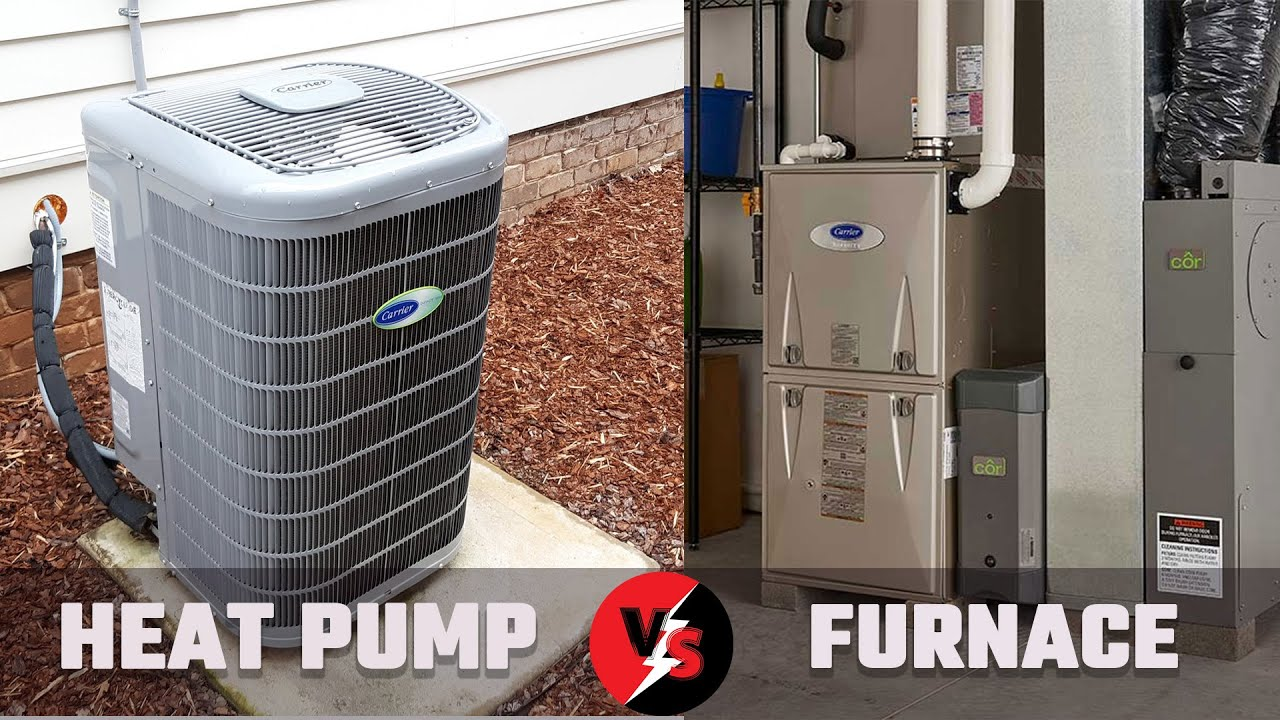
Northern Utah homeowners have three primary heating options, each with distinct tradeoffs for our climate. Gas furnaces remain the most common system in Davis and Weber County homes built before 2010. A high-efficiency 96% AFUE gas furnace delivers reliable heat output even at -10°F outdoor temperatures, pairs well with existing ductwork, and has low upfront cost relative to heat pump alternatives. The tradeoff is ongoing fuel cost and the inability to provide cooling from the same outdoor unit.
Cold-climate heat pumps have become the equipment of choice for whole-system replacements. Systems rated to -13°F — including the Daikin Aurora and Daikin Fit lines that Salmon HVAC installs throughout Davis and Weber County — provide both heating and cooling from a single outdoor unit. They are substantially more efficient than gas at outdoor temperatures above 0°F, and they qualify for Rocky Mountain Power Wattsmart rebates, Dominion Energy ThermWise incentives, and the federal IRA Section 25C tax credit. For higher-elevation locations like Morgan County, we recommend dual-fuel configurations that pair the heat pump with a gas furnace backup for the coldest nights.
Cooling Options for Utah Summers
Central air conditioning is standard in northern Utah homes, and the demand for it is real — Davis County averages 40–50 days above 90°F annually, with multi-day stretches above 100°F during peak summer. The key sizing challenge at Utah's elevation is avoiding oversized equipment. An AC unit that is too large for the actual cooling load short-cycles, fails to dehumidify the space properly, and wears out faster than correctly sized equipment. Proper Manual J load calculation — accounting for square footage, window orientation, insulation levels, shade exposure, and elevation — is the only correct way to size cooling equipment for a specific northern Utah home.
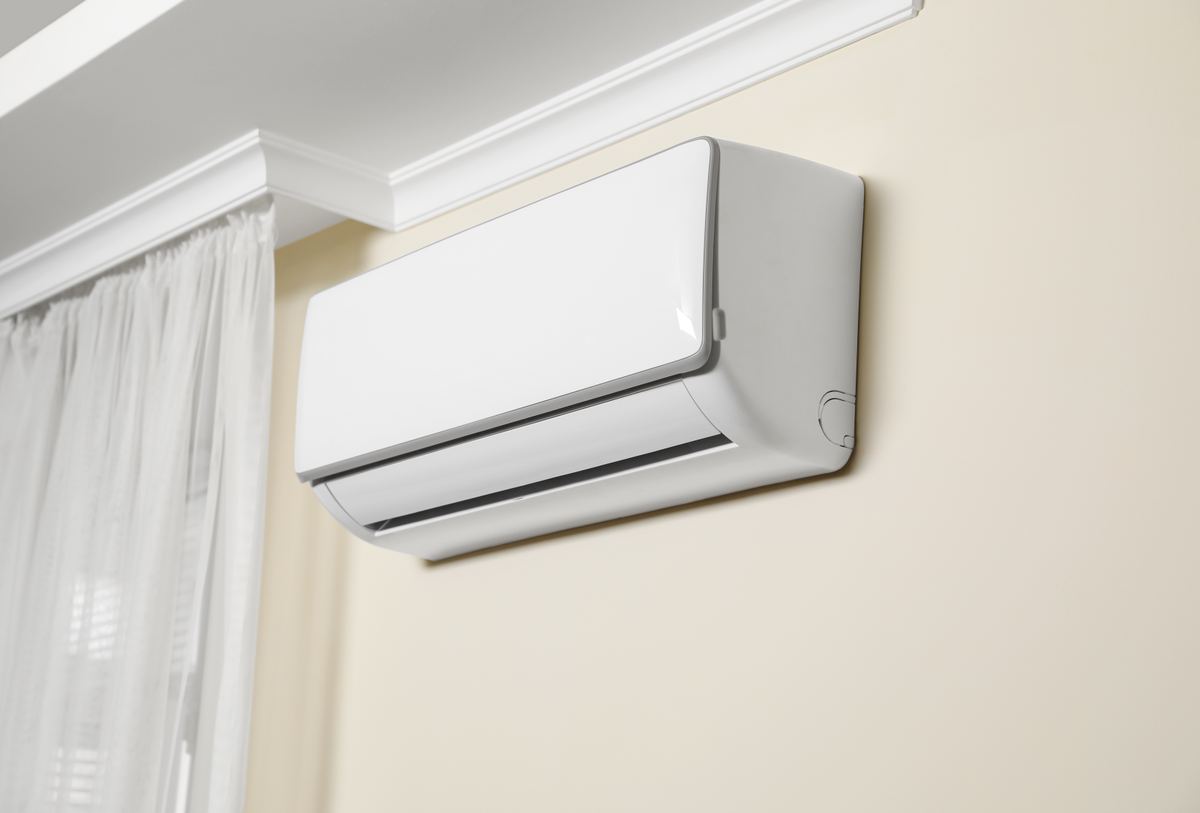
Ductless mini-split systems are an effective cooling solution for homes without existing duct infrastructure, room additions, and detached garages or workshops. Multi-zone mini-splits allow independent temperature control of up to eight indoor zones from a single outdoor unit. Because they are heat pumps, they also provide heating — a useful feature for spaces that need year-round conditioning without the cost of extending ductwork. Our ductless mini-split installation service is available throughout the Wasatch Front.
Humidity: The Factor Most Utah Homeowners Overlook
Utah ranks among the driest states in the country, and that dryness has direct consequences for indoor comfort and home health in winter. Cold outdoor air holds very little moisture. When that air is drawn into your home and heated from 20°F to 70°F, its relative humidity drops dramatically — often to 15–20% or lower. At those levels, you will notice static electricity on every door handle, dry and cracking skin, scratchy throats, and frequent nosebleeds. Wood furniture and trim loses moisture and cracks. Hardwood floors gap. Respiratory illness spreads more easily through dry mucous membranes.
The solution is humidity control integrated with your HVAC system. A whole-home humidifier, installed on the supply plenum of your furnace or air handler, adds moisture to the air as it circulates through the home. These systems are far more effective than portable room humidifiers, which cannot meaningfully treat a full home and require constant refilling. The target range for northern Utah homes in winter is 30–50% relative humidity — comfortable for occupants, safe for wood floors and cabinetry, and effective at reducing static electricity. Our indoor air quality service includes whole-home humidifier assessment and installation.
Seasonal Maintenance Strategy for Northern Utah
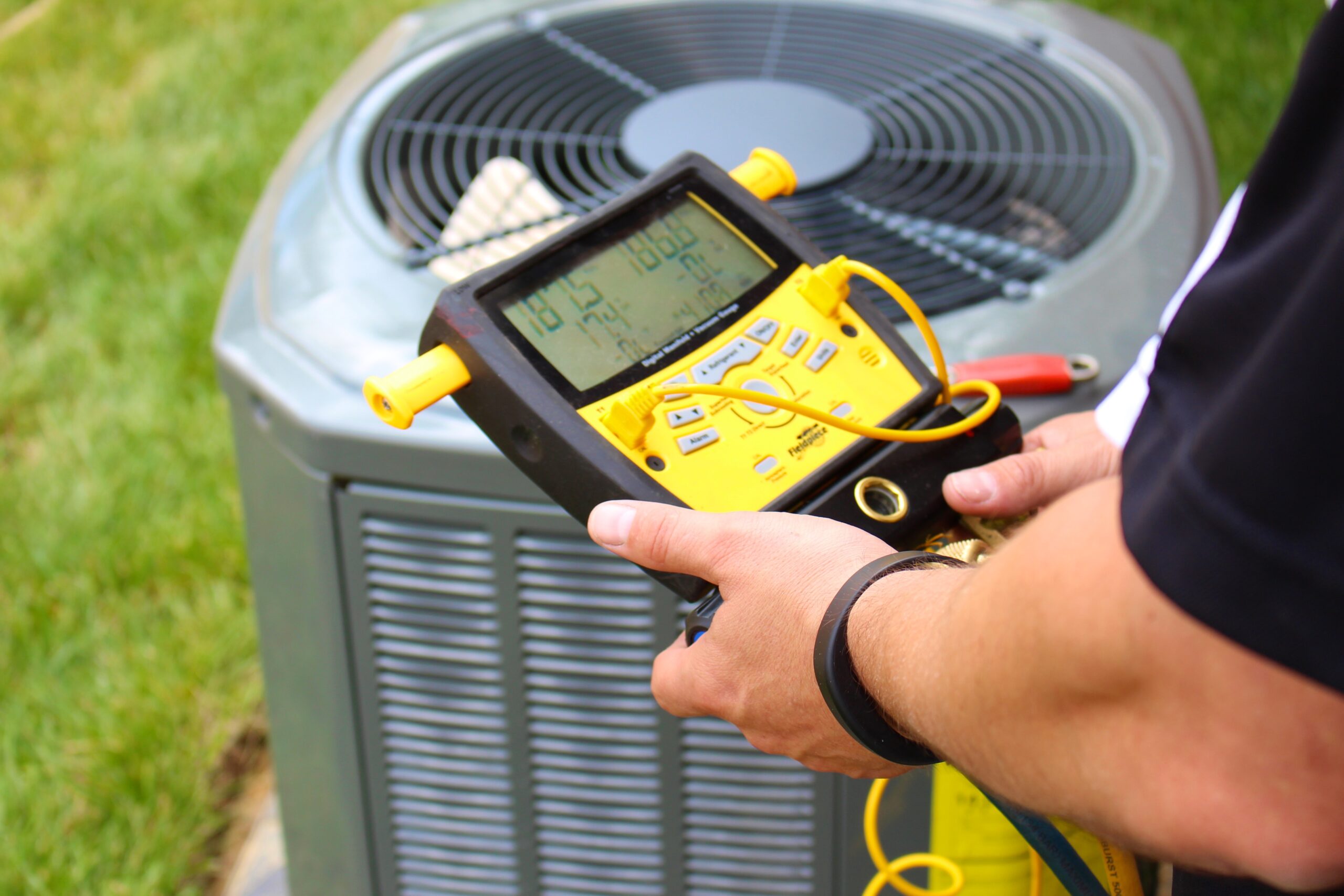
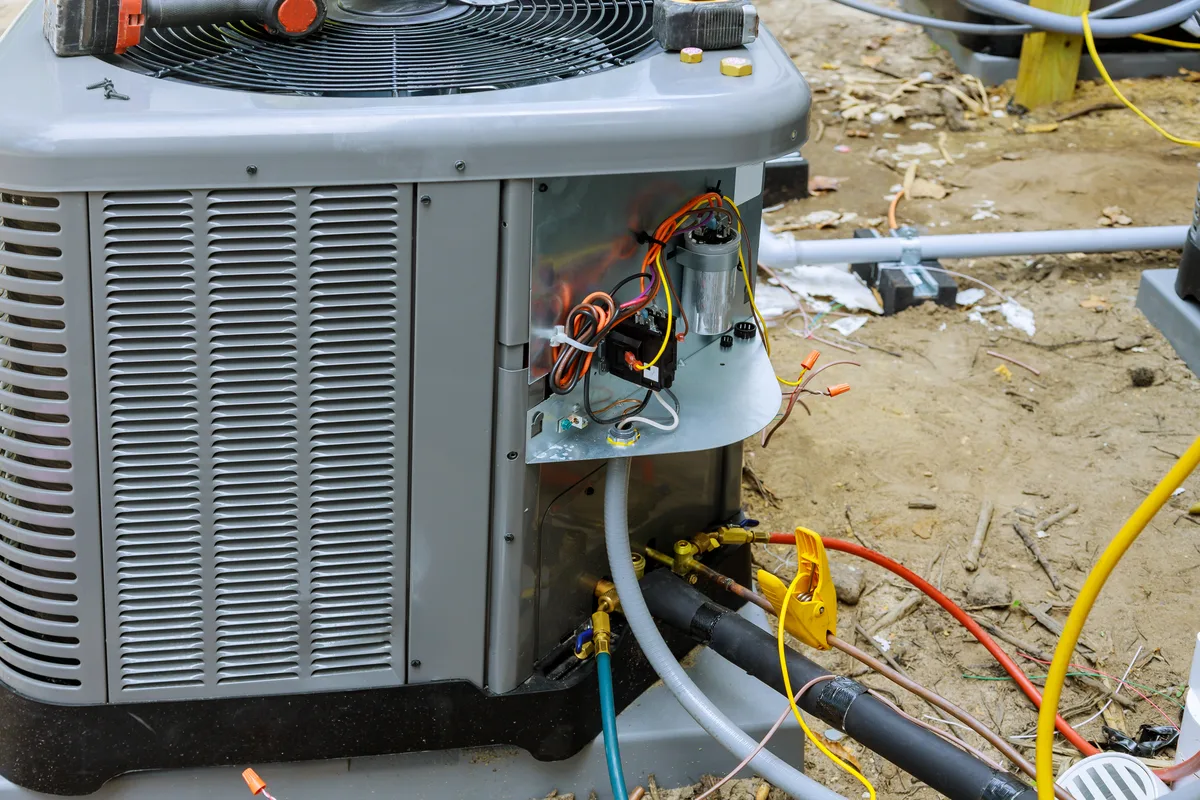
Utah's climate demands a minimum of two service visits per year: one in spring before cooling season and one in fall before heating season. Spring AC service should be scheduled in March or April — before sustained 90°F days arrive in June and before the scheduling rush that hits in May. The service visit covers coil cleaning, refrigerant charge verification, blower inspection, and control testing. Catching a low refrigerant charge in April costs far less than an emergency diagnosis call in July when every HVAC company in Davis County is fully booked.
Fall furnace service should be scheduled in September or early October — before the first cold snap, which can arrive in northern Utah by late October. The service covers heat exchanger inspection, burner cleaning, gas pressure verification, safety control testing, and filter replacement. A cracked heat exchanger is the most serious safety issue a furnace inspection can identify — it allows combustion gases including carbon monoxide to enter the living space. Annual inspection is the only reliable way to catch this before it becomes a health emergency. For homes with newer high-efficiency furnaces, combustion analysis is also part of a thorough fall service visit.
Schedule Your Seasonal HVAC Service
Salmon HVAC has served northern Utah since 1979. We size, install, and maintain systems built for Utah's full range — not just the easy days. Call us to schedule spring AC service or fall furnace service before the rush.
Frequently Asked Questions
How much of my energy bill is heating vs. cooling in northern Utah?
In most northern Utah homes, heating accounts for 55–65% of annual HVAC energy costs and cooling accounts for 35–45%. The balance shifts toward heating in higher-elevation communities like Morgan County and toward cooling in Salt Lake Valley floor neighborhoods where summers are hotter and winters slightly milder.
Is a heat pump practical for both Utah summers and winters?
Yes. Modern cold-climate heat pumps handle both functions — cooling in summer and heating in winter — with a single outdoor unit. Rated to -13°F, they cover the vast majority of Utah heating hours efficiently. A dual-fuel configuration (heat pump plus gas furnace backup) is recommended for higher-elevation locations like Morgan County or the upper Ogden bench where temperatures regularly drop below -10°F.
Does Utah's altitude affect air conditioning performance?
Yes. At 4,000–5,000 feet, air density is roughly 15–18% lower than at sea level. AC systems move less air mass per rotation, which reduces effective cooling capacity. Equipment should be sized for Utah's elevation using a proper Manual J calculation, not sea-level specs. An undersized unit will run continuously during July heat waves without reaching setpoint.
When should I schedule my spring AC tune-up and fall furnace tune-up in Utah?
Schedule AC service in March or April — before sustained 90°F days arrive in June. Schedule furnace service in September or early October — before the first hard freeze, which can arrive in Davis County by late October. Booking early also avoids the peak-season scheduling rush that typically hits in May and November.
What's the right indoor humidity level for a Utah home in winter?
The recommended range is 30–50% relative humidity. Utah winter outdoor air often carries 15–25% RH, and heated indoor air frequently drops below 20% without a humidifier. Below 30%, you will notice static electricity, dry skin, cracked wood trim, and increased susceptibility to respiratory illness. A whole-home humidifier integrated with your HVAC system is the most effective long-term solution.