
Published March 21, 2025 • Updated April 14, 2026 • 7 min read
- Utah's desert dust load clogged filters faster than nearly any other climate — monthly filter checks are essential
- Altitude reduces furnace combustion efficiency; a poorly tuned burner at 4,500 ft wastes significantly more fuel than at sea level
- A $100–$150 tune-up prevents $1,200–$2,500 compressor failures and $1,500–$4,000 furnace replacements
- Neglected systems fail 3–5 years earlier than maintained ones — premature replacement is the biggest hidden cost
- Most equipment warranties require documented annual maintenance by a licensed contractor
- Twice-yearly service (spring AC + fall furnace) is the minimum cadence for northern Utah homes
Why Utah Homeowners Skip Maintenance — And Why It Costs Them
The most common reason Utah homeowners skip annual HVAC service is simple: the system is working. The furnace heated the house last winter. The AC kept it cool last summer. Why pay for a service call when nothing is broken? This logic feels reasonable until the compressor fails in July, the heat exchanger cracks in January, or the AC limps through a record heat wave running at 60% efficiency because the coils have never been cleaned.
HVAC systems degrade gradually, not suddenly. A coil that is 20% fouled costs 20% more to operate and works the compressor harder. A filter that is partially clogged reduces airflow and raises operating temperatures across the entire system. A furnace burner that is slightly out of tune burns more gas per BTU of heat delivered. None of these degradations trigger a "check HVAC" light. You pay for them invisibly, every month, in higher utility bills and shortened equipment life — until the day something fails hard enough to notice.
Utah's Climate Makes Maintenance More Critical Than Average
Generic maintenance advice — "service your system once a year" — does not account for conditions specific to northern Utah. Three factors make our environment unusually hard on HVAC equipment.
First, dust. Utah's desert climate and high-wind events push fine particulate matter through outdoor units and into return air streams at rates that filter manufacturers design for wetter, heavier climates. A standard 1-inch filter in a Layton or Farmington home can load to restriction in 30 days during spring. A loaded filter does not just reduce air quality — it reduces airflow, raises system static pressure, and forces the blower motor to work harder. In extreme cases, restricted airflow causes the evaporator coil to freeze, which can damage the compressor.
Second, altitude. At 4,300–4,700 feet above sea level, the air is thinner. Gas furnaces draw combustion air from the surrounding environment — thinner air means less oxygen per cubic foot and less efficient combustion. A furnace burner not precisely tuned for Utah's elevation produces more unburned fuel, higher carbon monoxide output, and lower heat transfer efficiency than the same burner properly calibrated. Annual combustion analysis is the only way to confirm a furnace is burning correctly at elevation.
Third, extreme seasonal temperature swings. Equipment that transitions from summer cooling duty (operating in 100°F ambient air) to winter heating duty (operating in -5°F ambient air) experiences thermal cycling stresses that accelerate wear on refrigerant fittings, electrical connectors, and coil tubing. Systems that spend 10+ months per year in active operation — which describes most northern Utah homes — accumulate wear faster than equipment in more temperate climates.
What a Comprehensive HVAC Tune-Up Includes
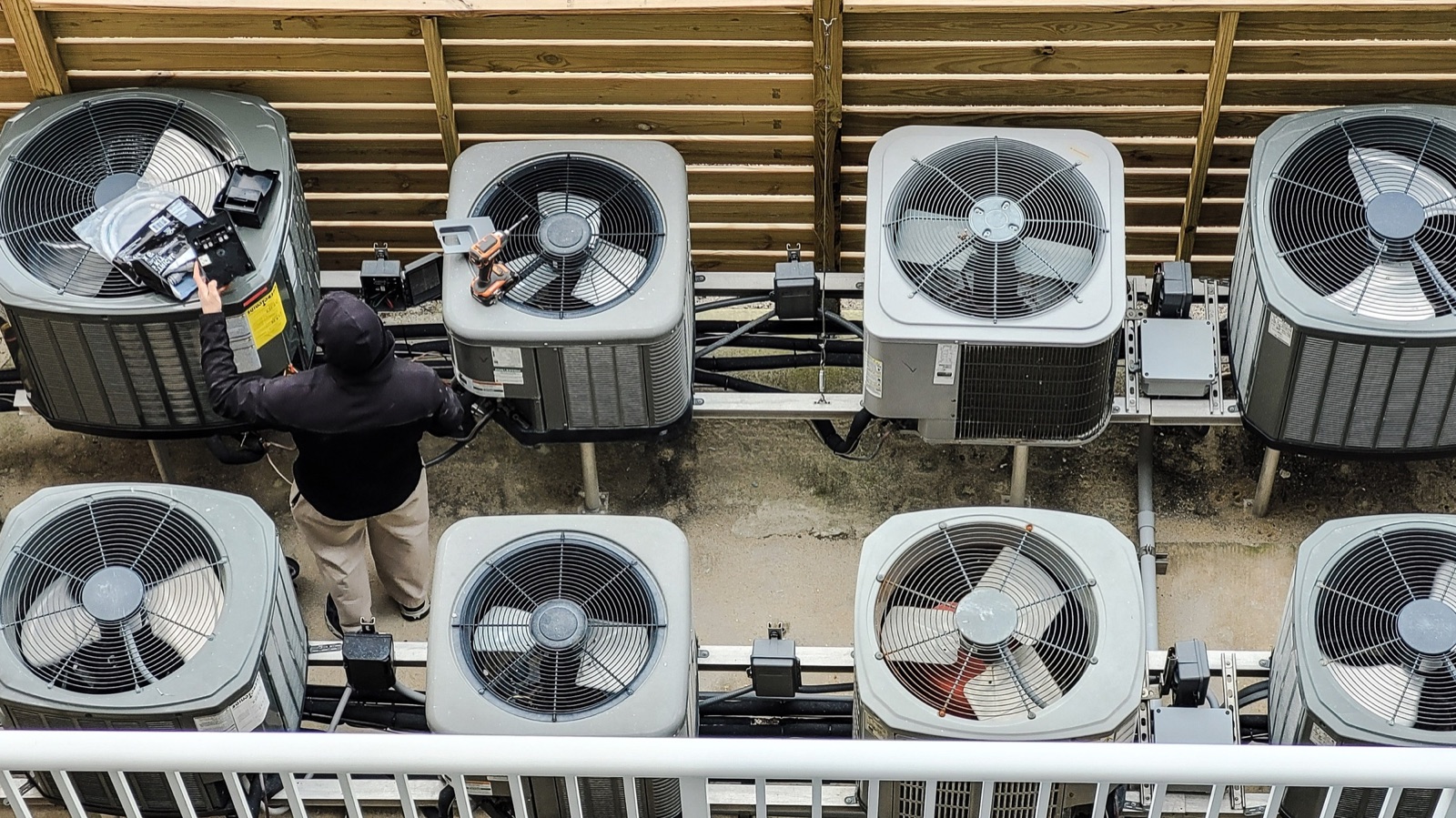
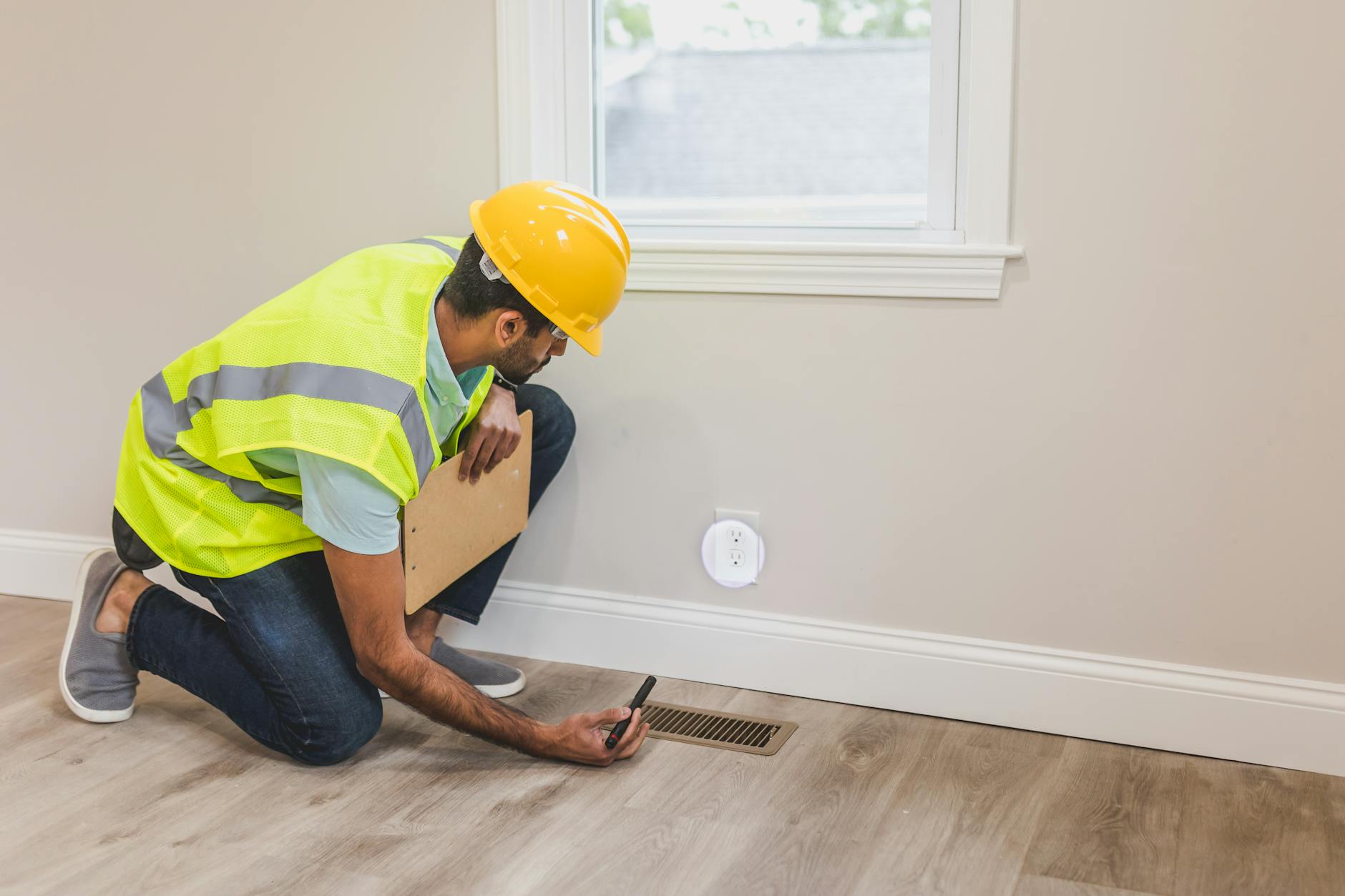
A thorough maintenance visit is not a filter swap and a glance at the thermostat. At Salmon HVAC, our AC tune-up and furnace service visits cover every major component that affects efficiency, reliability, and safety.
Spring AC Service Checklist
- Air filter inspection and replacement
- Evaporator coil inspection and cleaning
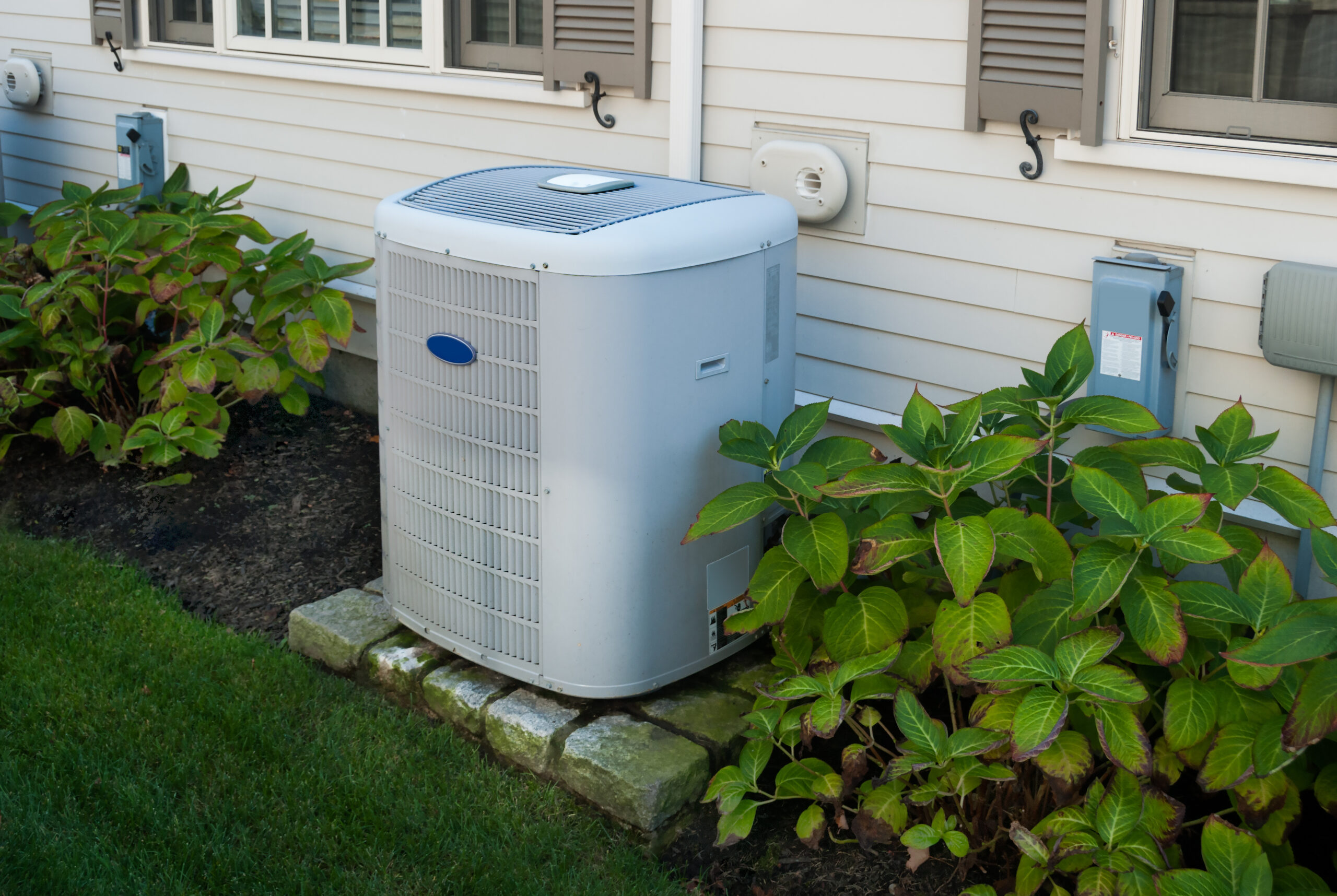
- Condenser coil cleaning (outdoor unit)
- Refrigerant charge verification — check for leaks
- Blower motor amperage draw and belt inspection
- Electrical connection tightening and contactor inspection
- Capacitor testing (starting and run capacitors)
- Condensate drain line flush
- Thermostat calibration and control sequence testing
- Overall system performance check at operating conditions
Fall Furnace Service Checklist
- Air filter inspection and replacement
- Heat exchanger visual inspection for cracks or corrosion
- Burner cleaning and flame pattern inspection
- Combustion analysis — CO output, gas pressure, efficiency measurement
- Igniter and flame sensor inspection
- Flue pipe inspection for blockage or deterioration
- Blower motor and belt inspection
- Safety control testing (high-limit, pressure switches)
- Thermostat calibration and heating sequence verification
- Carbon monoxide detector check (recommend if absent)
The heat exchanger inspection deserves special emphasis. A cracked heat exchanger is the most serious safety issue a furnace can develop — it allows combustion gases including carbon monoxide to mix with circulated air. This is an asphyxiation risk that has no audible or visible warning signs. Annual visual inspection is the only routine way to catch it before it causes harm.
The Real Cost of Maintenance vs. Repair in Northern Utah
The financial case for regular maintenance is straightforward when you look at the numbers. A professional spring and fall service visit combined typically costs $150–$300 per year. The most common HVAC failures in neglected systems include: AC compressor failure ($1,200–$2,500 parts and labor), condenser fan motor failure ($300–$600), heat exchanger replacement or full furnace replacement ($1,500–$4,500), and evaporator coil replacement ($800–$1,500). A single compressor replacement costs more than 5–8 years of preventive maintenance.
Beyond repair costs, neglected systems consume more energy. An AC unit operating with a dirty condenser coil uses 10–15% more electricity to achieve the same cooling output as a clean coil. A furnace with a partially clogged filter and dirty burner can lose 8–12% of its rated efficiency. Over a Utah heating season — typically 5–6 months of active use — that efficiency loss adds up to $100–$200 in wasted gas on an average home. The combined effect of higher energy bills, more frequent repairs, and earlier equipment replacement makes skipping maintenance a poor financial decision for any northern Utah homeowner.
Utah-Specific Maintenance Needs Beyond the Standard Checklist
Several maintenance items are particularly important in northern Utah that receive less emphasis in general HVAC maintenance literature. Outdoor condenser coils on homes near agricultural fields in Davis County or Weber County accumulate fine dust and cottonwood seeds that standard coil cleaning does not fully address — a soft-bristle brush treatment followed by low-pressure rinse is more effective than water spray alone. Homes in Layton, Clearfield, and Roy near the military installation and agricultural corridor see especially heavy cottonwood loading in late May and early June.
Drain lines in Utah's dry climate behave differently than in humid regions. In humid climates, condensate drain lines flush frequently because the system dehumidifies constantly. In Utah, drain lines run less often and are more prone to accumulating dust and debris rather than biological growth. An annual flush with a mild cleaner keeps them clear. Additionally, homes with whole-home humidifiers — common and recommended in Utah — need the humidifier pad (evaporative type) or water panel replaced annually and the solenoid valve inspected for mineral buildup from Utah's moderately hard water.
Choosing an HVAC Service Provider in Northern Utah
Not every contractor who shows up with a truck and a filter is performing a genuine preventive maintenance visit. When evaluating HVAC service providers in northern Utah, look for several specific indicators. The technician should use gauges to verify refrigerant charge, not simply ask "is the system cooling?" Refrigerant charge verification requires measurement — visual checks miss charge issues that affect efficiency by 10–20%. Furnace service should include a written combustion analysis printout showing CO output and combustion efficiency, not just a statement that "the furnace checked out fine."
Salmon HVAC has provided HVAC maintenance to northern Utah homeowners since 1979. As a Daikin Comfort Pro Authorized Dealer, we maintain factory training requirements and service documentation standards. Every maintenance visit includes a written report of findings — what was done, what was found, and any concerns requiring attention. If you are in Centerville, Bountiful, Kaysville, Farmington, or the surrounding Wasatch Front communities, contact us to schedule your spring or fall service visit.
Schedule Your HVAC Maintenance Today
Salmon HVAC has served northern Utah since 1979. Spring and fall maintenance visits cover every component that affects your system's efficiency, reliability, and safety. Call us to get on the schedule before peak season hits.
Frequently Asked Questions
How often should I have my HVAC system serviced in Utah?
Twice per year at minimum — once in spring before cooling season (March or April) and once in fall before heating season (September or October). Utah's high dust load, elevation, and extreme seasonal demands accelerate wear more than milder climates. Some homes with heavy use or older equipment benefit from quarterly filter inspections in addition to the two seasonal service visits.
What does a professional HVAC tune-up include?
A comprehensive tune-up covers: air filter inspection and replacement, evaporator and condenser coil cleaning, refrigerant charge verification, blower motor and belt inspection, heat exchanger inspection, burner cleaning and combustion analysis (furnace), safety control testing, thermostat calibration, and drain line flush. The specific checklist varies between the spring AC visit and the fall furnace visit.
How much does HVAC maintenance cost vs. a major repair?
A professional tune-up runs $80–$150 per visit. A compressor replacement costs $1,200–$2,500. A heat exchanger replacement or new furnace runs $1,500–$4,500. Neglected systems fail 3–5 years earlier than maintained ones, which means the cumulative cost of skipping maintenance — in higher bills, more repairs, and premature replacement — far exceeds the cost of regular service visits.
How often should I change my furnace filter in Utah?
Every 1–3 months, depending on filter type and household conditions. Utah's desert dust load is among the highest in the country. Standard 1-inch filters can load up in 30 days during dusty spring and fall months. Homes with pets or near agricultural areas (common across Davis and Weber Counties) should change filters monthly. Thicker 4–5 inch media filters can go 6–12 months but still benefit from monthly visual checks.
Does skipping maintenance void my HVAC warranty?
Yes, for many manufacturers. Most equipment warranties — including Daikin's residential product warranties — require documented annual maintenance by a licensed HVAC contractor. If a compressor fails and the claim review reveals no maintenance records, the manufacturer can deny the claim. Keep receipts and service records for the full life of your equipment.