
Published November 10, 2026 • 11 min read
- Single-zone = one outdoor unit paired with one indoor head. Best for solving a single problem space (a bonus room, basement, addition, or hot bedroom), and it delivers the highest efficiency and simplest wiring.
- Multi-zone = one outdoor unit feeding two to five (sometimes more) indoor heads. Best when you want ductless comfort in several rooms without a separate outdoor unit for each — and it gets cheaper per room as you add zones.
- Cost (2026 ballpark): single-zone roughly $3,000–$6,500 installed; two zones ~$6,000–$11,000; three zones ~$9,000–$16,000; four to five zones ~$15,000–$26,000.
- Reliability trade-off: a single-zone failure takes out one room; a multi-zone compressor failure can take out every room it serves.
- Not sure how many zones you need? Call (801) 397-0030 or request a quote and we'll run the numbers for your home.
Ductless mini-splits have quietly become one of the most useful tools we install in Northern Utah homes. They heat and cool without ductwork, they run on electricity, and the good ones hold their own through a Wasatch Front winter. But once a homeowner decides a mini-split is the right answer, the very next question trips a lot of people up: do I get one system per room, or one system that feeds several rooms?
That's the single-zone versus multi-zone decision, and it's the single biggest factor in what your project costs, how efficient it is, and how it holds up over the years. Get it right and you spend exactly what you need to fix the rooms that actually bother you. Get it wrong and you either overspend on capacity you'll never use or end up adding a second project a year later. This guide lays the two configurations side by side so you can pick with confidence. (If you're still deciding whether ductless is even the right call versus central air, start with our complete guide to ductless mini-splits in Utah.)
First, the shared basics: how any mini-split works
Every ductless system has two core parts connected by a slim line set (refrigerant lines, a drain, and wiring) that runs through a small hole in the wall:
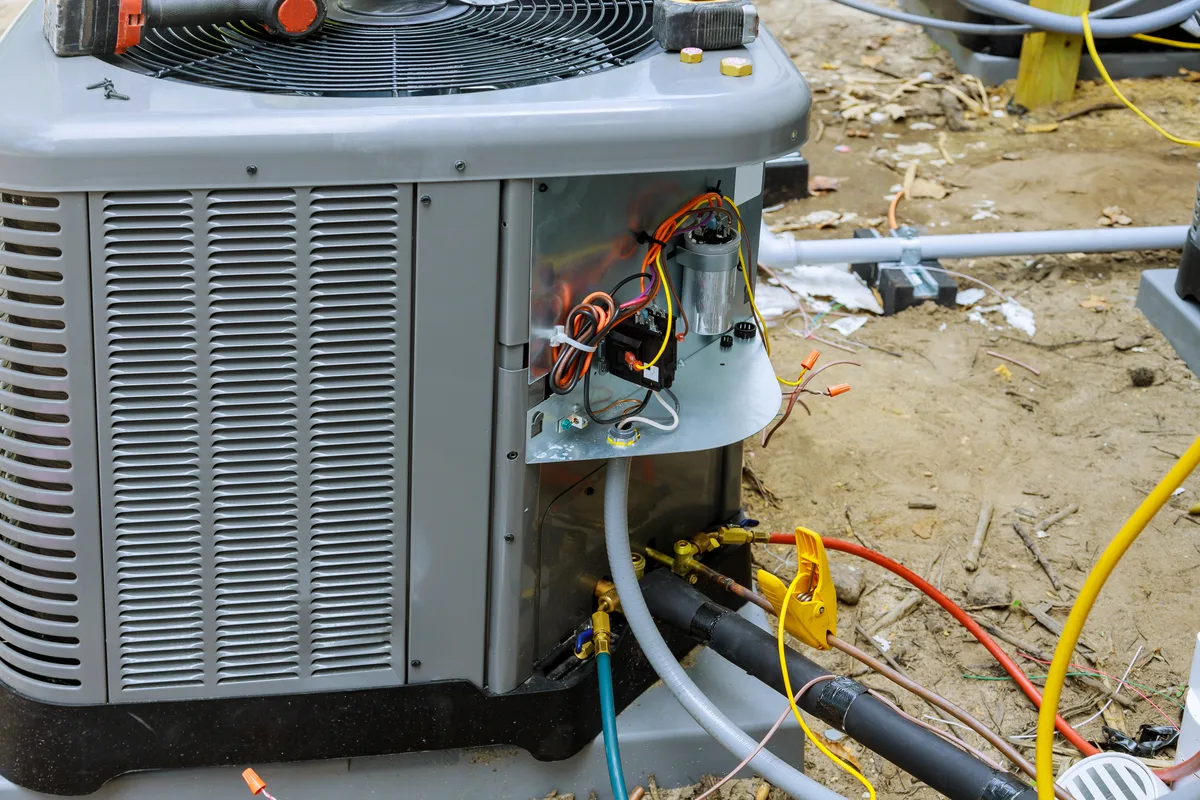
- An outdoor unit (the condenser/compressor) that sits outside the house, like a small AC or heat-pump unit.
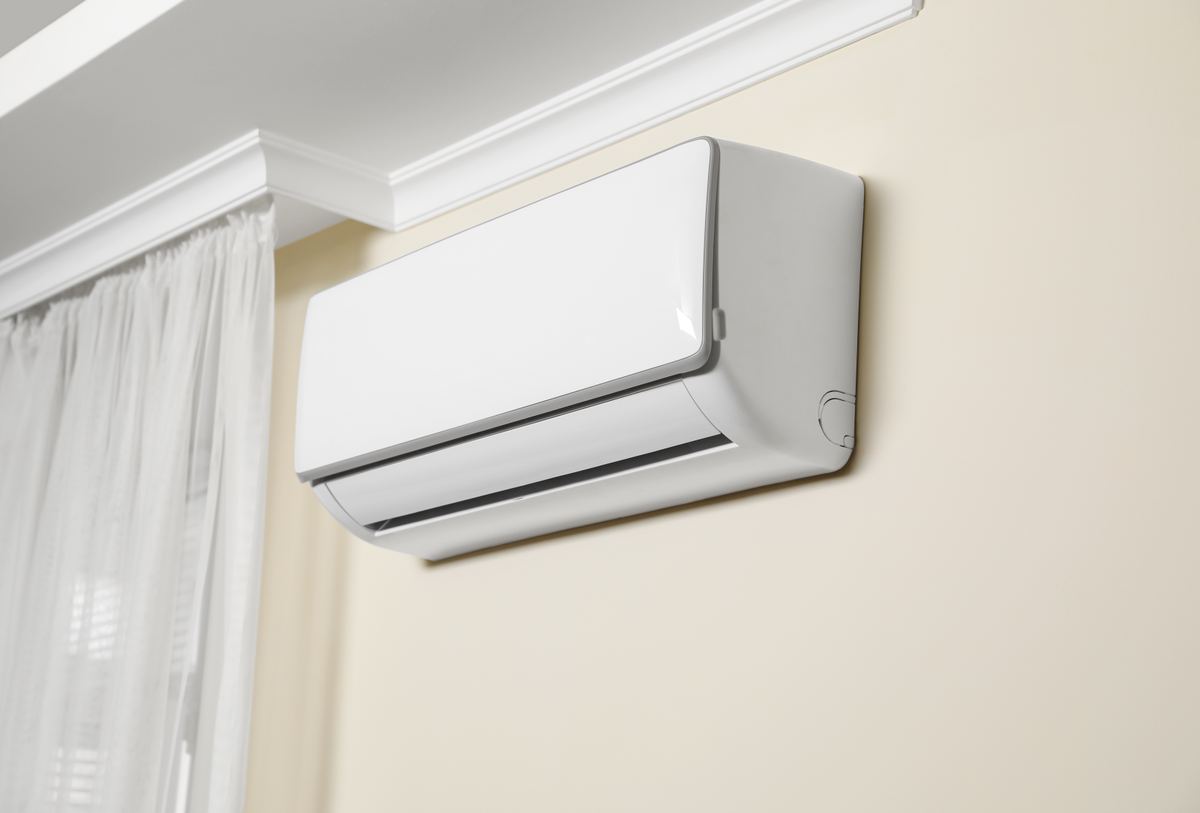
- One or more indoor heads (also called air handlers or evaporators) mounted inside the room — most often high on a wall, but also available as ceiling cassettes, floor-mounted consoles, or compact ducted air handlers tucked into a soffit.
Because there's no ductwork, you avoid the 20–30% energy loss that leaky, uninsulated ducts cause in a lot of Utah homes, and you get independent temperature control in each room with a head. The only thing that separates single-zone from multi-zone is how many indoor heads that outdoor unit is built to serve.
Single-zone mini-splits: one outdoor unit, one head
A single-zone (or "one-to-one") system is exactly what it sounds like: one outdoor unit matched to one indoor head, conditioning one space. It's the most common way people start with ductless, because most people come to us with one specific room that their main system can't handle.
Where single-zone shines in Utah
- The bonus room over the garage that bakes in July and freezes in January because it's at the end of the duct run.
- A finished basement that the furnace overheats while the upstairs stays cold.
- A room addition or ADU where extending the existing ducts isn't practical.
- A home office, sunroom, or primary bedroom where one person wants a different temperature than the rest of the house.
- A garage or workshop that needs to be comfortable but isn't on the central system at all.
The advantages
Highest efficiency. The most efficient ductless units made are single-zone cold-climate models. With one head to serve, the compressor can modulate (ramp up and down) precisely to match that one room, which is where the best SEER2 cooling and HSPF2 heating numbers come from. For a space you run hard, that efficiency adds up.
Lower upfront cost to start. One outdoor unit plus one head is the least expensive way to get into ductless — typically around $3,000–$6,500 installed in 2026 for a properly sized, cold-climate-capable unit.
Simpler and more robust. Fewer connections, a straightforward line set, and one dedicated circuit. And critically: if a single-zone system ever goes down, it affects exactly one room while the rest of your home keeps running on its main system.
The limitation
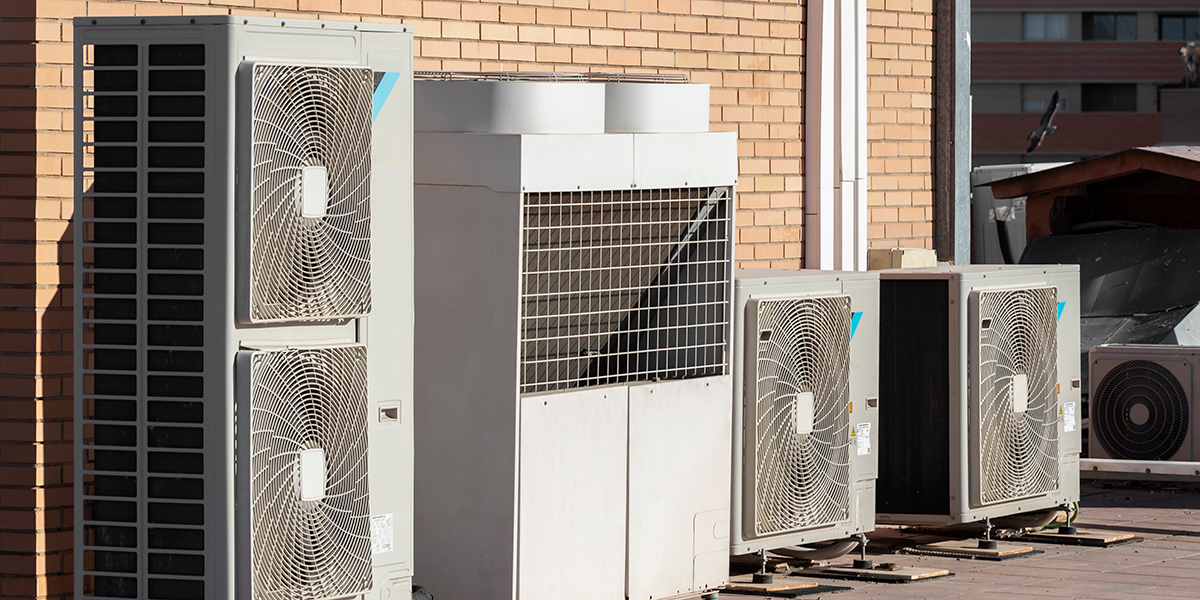
Each room you want to condition needs its own outdoor unit. That's fine for one or two spaces, but by the time you're eyeing three, four, or five rooms, lining up that many condensers against the side of the house gets expensive, crowded, and harder to place — which is exactly the problem multi-zone solves.
Multi-zone mini-splits: one outdoor unit, several heads
A multi-zone system uses a single, larger outdoor unit engineered to serve several indoor heads at once — commonly two to five, with some residential units supporting up to eight. Each head is sized for its room and controlled independently, so you can cool the bedroom while leaving the guest room off, or heat the main living area and the office to different temperatures.
Where multi-zone shines in Utah
- Whole-home ductless in an older home that never had ductwork — a lot of the historic homes around Salt Lake City and Ogden fall into this camp.
- Several problem rooms at once rather than one — an upstairs that's hot, a basement that's cold, and an addition, all at the same time.
- Room-by-room zoning where different people want very different temperatures, similar to a zoned HVAC system but without any ductwork.
- Limited outdoor space, where running one condenser instead of four keeps the side yard uncluttered and simplifies placement.
The advantages
Cheaper per room as you scale. You're buying one outdoor unit instead of several, so the per-zone cost falls once you're conditioning three or more rooms. Two heads off one condenser is usually close to the cost of two separate single-zone systems; by three-plus zones, multi-zone pulls clearly ahead on price per room.
One outdoor unit. Less visual clutter, one spot to keep clear of snow and ice, and one unit to maintain.
Flexible head styles. You can mix wall units, ceiling cassettes, floor consoles, and short-ducted air handlers on the same system to suit each room.
The trade-offs
Slightly lower efficiency. One compressor serving several heads generally can't hit the peak efficiency of the best single-zone units, and it can run less efficiently when only one small zone is calling for heat or cooling.
Shared point of failure. This is the big one. Because every head depends on that one outdoor unit, a compressor problem can knock out comfort in all of those rooms at once — whereas separate single-zone systems fail one at a time.
Sizing is less forgiving. Multi-zone units have a minimum output, so pairing a big condenser with one tiny bedroom head can cause short-cycling. Each room needs a real load calculation, not a guess — which is where a careful install pays off.
Side-by-side: single-zone vs. multi-zone
| Factor | Single-zone | Multi-zone |
|---|---|---|
| Rooms served | One | Two to five (up to ~8) |
| Outdoor units | One per room | One total |
| Peak efficiency | Highest available | Slightly lower |
| Cost per room | Best for 1–2 rooms | Best for 3+ rooms |
| If it fails | One room affected | All its rooms affected |
| Outdoor footprint | Grows with each room | Single unit |
| Best for | A specific problem space | Whole-home or several rooms |
What they cost in 2026
Ductless pricing swings with capacity, cold-climate features, line-set length, head style, and the electrical work your home needs, so treat these as Northern Utah ballparks — a quote confirms the real number for your house. Note how the per-zone cost falls as the zone count climbs:
| Configuration | Typical installed cost |
|---|---|
| Single-zone (1 head) | ~$3,000–$6,500 |
| Multi-zone — 2 heads | ~$6,000–$11,000 |
| Multi-zone — 3 heads | ~$9,000–$16,000 |
| Multi-zone — 4–5 heads | ~$15,000–$26,000 |
A rough rule of thumb: the first zone carries the cost of the whole outdoor unit, so each additional head you add to a multi-zone system is cheaper than buying a brand-new single-zone system for that room. That's why we steer one- and two-room projects toward single-zone units and three-plus-room projects toward multi-zone. And while the federal 25C tax credit ended for equipment installed after December 31, 2025, Utah utility rebates may still help on qualifying high-efficiency heat pumps — see our rundown of what Utah HVAC rebates are left in 2027 before you buy.
The Utah angle: cold-climate performance matters most
Here in Northern Utah, the heating side of the decision deserves extra weight. A mini-split that cools beautifully in July is easy to find; one that still pumps out real heat at 5°F on a January inversion morning is the one you actually want. That's a cold-climate (hyper-heating) model, and it's where the single-zone-versus-multi-zone choice has teeth:
- Single-zone cold-climate units tend to hold their low-temperature heating output best. If there's one room you need to keep warm no matter how cold it gets — a primary bedroom, a nursery, a home office — a dedicated single-zone unit is the most dependable choice.
- Multi-zone systems can lose a bit of capacity when every head is calling for heat on the coldest night of the year, so sizing with Utah's design temperature in mind is essential.
- Many homes keep the furnace as backup, letting the mini-split do the efficient day-to-day work and the furnace step in during a deep cold snap. Our guide on whether mini-splits keep up in a Utah winter walks through exactly how that pairing performs here.
Whichever configuration you choose, insist on a cold-climate-rated heat pump. A budget unit rated only to 20°F will leave you cold — literally — during our worst stretches.
How to decide: a quick decision guide
There's no universally "best" configuration — there's the one that fits your home and your list of problem rooms. Here's how we steer homeowners:
- One room to fix? Single-zone, every time. It's the cheapest, most efficient, and most reliable way to solve a single space.
- Two rooms? It's genuinely a toss-up. Two single-zone units give you redundancy and peak efficiency; one two-zone system is tidier and often a little cheaper. We'll usually price both.
- Three or more rooms, or whole-home ductless? Multi-zone almost always wins on cost per room and on keeping your outdoor footprint sane.
- One critical room plus a few "nice to have" rooms? A hybrid can be smart — a dedicated single-zone unit on the must-stay-warm room for reliability, plus a multi-zone handling the rest.
- Tight outdoor space or strict HOA rules? Multi-zone's single condenser is easier to place and screen.
The one step we never skip, for either configuration, is a room-by-room load calculation. Oversized ductless equipment short-cycles, runs less efficiently, and controls humidity poorly — the opposite of why you bought it. Proper sizing is the difference between a system you forget about and one that annoys you. Our ductless mini-split service page covers how we handle that, and if a heat pump is part of the picture, our heat pump services team can fold it into the plan.
Get the Right Number of Zones — the First Time.
Salmon HVAC has kept Northern Utah comfortable since 1979. We'll size every room, recommend single- or multi-zone honestly, and install ductless comfort that holds up through our hot summers and cold winters. Serving Davis, Weber, Salt Lake & Morgan counties.
Frequently Asked Questions
Is a single-zone or multi-zone mini-split better for a Utah home?
It depends on how many rooms you need to condition. A single-zone system (one outdoor unit paired with one indoor head) is the better choice when you're solving one problem space — a bonus room over the garage, a finished basement, a room addition, or a too-hot upstairs bedroom. A multi-zone system (one outdoor unit feeding several indoor heads) makes sense when you want ductless comfort in three or more rooms and don't want a separate outdoor unit for each. For two rooms it's often a toss-up between two single-zone systems and one two-zone system. In our experience across Northern Utah, most homeowners start with a single zone to fix a specific trouble spot, then add zones later if it works out.
How much does a multi-zone mini-split cost in Utah?
As a 2026 ballpark, a single-zone ductless system runs roughly $3,000 to $6,500 installed. A two-zone system typically lands around $6,000 to $11,000, three zones around $9,000 to $16,000, and four to five zones can reach $15,000 to $26,000 depending on the heads, line-set lengths, and electrical work. The per-zone cost drops as you add rooms, so multi-zone is more economical per room once you're conditioning three or more. Your actual price depends on capacity, cold-climate features, and your home's wiring, so a quote is the only way to get a real number.
Are multi-zone mini-splits less efficient than single-zone?
Usually a little, yes. The most efficient ductless units on the market are single-zone cold-climate models, which can post the highest SEER2 and HSPF2 ratings and modulate down smoothly to match a single room. A multi-zone outdoor unit has to serve several heads with one compressor, so its rated efficiency is generally a step lower, and it can lose some efficiency when only one small zone is calling. For most Utah homes the real-world difference is modest, but if squeezing out the lowest possible operating cost in one room is the goal, a dedicated single-zone unit wins.
How many indoor heads can one outdoor mini-split unit support?
Most residential multi-zone outdoor units support two to five indoor heads, and some larger models go up to eight. Each head is sized to the room it serves, and the total capacity of the heads should be matched to the outdoor unit so the system isn't badly oversized. Mixing head styles — wall-mounted, ceiling cassette, floor-mounted, or a short-duct air handler — on a single outdoor unit is common. A load calculation for each room is what keeps a multi-zone system from short-cycling in small spaces.
Do mini-splits heat well enough for a Utah winter?
Yes, if you choose a cold-climate (hyper-heating) model. Modern cold-climate ductless heat pumps are rated to deliver usable heat well below 0°F, which covers the large majority of Northern Utah winter nights. Single-zone cold-climate units tend to hold their low-temperature output best, which is why they're a strong pick for a space you need to keep warm on the coldest nights. Many homes pair a mini-split with their existing furnace so the furnace backs it up in a deep cold snap. See our guide on whether mini-splits keep up in a Utah winter for the full picture, or get in touch and we'll help you choose.