
Published November 26, 2026 • 10 min read
- Clean the washable filters in each indoor head about every two to four weeks during heavy use. It takes minutes and is the single most important thing you can do.
- Keep the outdoor unit clear of leaves, grass, and snow, and give it space to breathe.
- Book a professional clean-and-check once a year — twice if you run the same system for heating and cooling year-round, which is common in Utah.
- A musty smell or weak airflow usually means mold or buildup deeper in the unit that a filter rinse will not reach. That needs a technician.
- Salmon HVAC services ductless systems across Northern Utah with upfront pricing and a fix-it-first approach.
A ductless mini-split is one of the lowest-maintenance ways to heat and cool a home, but low-maintenance is not no-maintenance. Unlike a central system that hides its coil and blower inside a furnace cabinet, a mini-split pulls air directly through a small indoor head mounted on your wall. Everything in your room air — dust, pet dander, cooking grease, pollen, and the fine particulate that settles over the Salt Lake and Davis valleys during an inversion — gets drawn across that head. Without regular cleaning, it loses efficiency fast, starts to smell, and can grow mold.
The good news is that most mini-split maintenance is simple enough to do in a few minutes, and the rest is a once- or twice-a-year visit from a technician. This guide covers exactly what to do, how often, what you can handle yourself, and what to leave to a pro — written for Northern Utah homes in Centerville, Layton, Ogden, and across the Wasatch Front. If you are new to ductless and want the bigger picture first, start with our guide to ductless mini-split systems in Utah.
Why Mini-Split Maintenance Matters More in Utah
Every mini-split needs upkeep, but a few things about Northern Utah make it matter even more here.
Dry, dusty air carries a heavy particle load. Our arid climate kicks up fine dust year-round, and winter inversions trap PM2.5 over the valleys for days at a time. A mini-split head is essentially a small air mover with a washable filter sitting in that air. The dustier the air, the faster the filter loads and the coil behind it fouls.
Many Utah mini-splits run all year. Because a mini-split is a heat pump, a lot of homeowners here use the same equipment for cooling in summer and heating in winter. That is efficient, but it also means the system almost never gets a true off-season to coast through. Year-round use is a good reason to clean filters more often and to schedule professional service twice a year instead of once.
Summer cooling leaves the coil damp. When a mini-split cools, moisture condenses on the indoor coil. In a home that is closed up and running the AC through a hot, smoky July, that damp coil plus trapped dust is exactly the environment mold and mildew like. That is why musty mini-split smells are such a common summer complaint.
Mini-Split Maintenance Schedule at a Glance
Here is the whole routine in one place. The homeowner tasks are quick; the professional visit is where the deeper cleaning and safety checks happen.
| Task | How often | Who |
|---|---|---|
| Clean/rinse indoor filters | Every 2–4 weeks in heavy use | You |
| Wipe down the indoor head's exterior | Monthly | You |
| Clear debris & snow from the outdoor unit | Monthly / after storms | You |
| Run fan-only to dry the coil after cooling | As a habit in summer | You |
| Deep-clean coil, blower wheel & drain pan | Annually (or twice if year-round) | Pro |
| Flush the condensate drain line | Annually | Pro |
| Check refrigerant charge & electrical | Annually | Pro |
What You Can Do Yourself
None of these steps requires tools beyond a soft cloth and a garden hose, and none involves opening electrical compartments or touching refrigerant. Always turn the system off at the remote and, to be safe, switch off the breaker or unplug the indoor head before you clean it.
1. Clean the filters — the one job that matters most
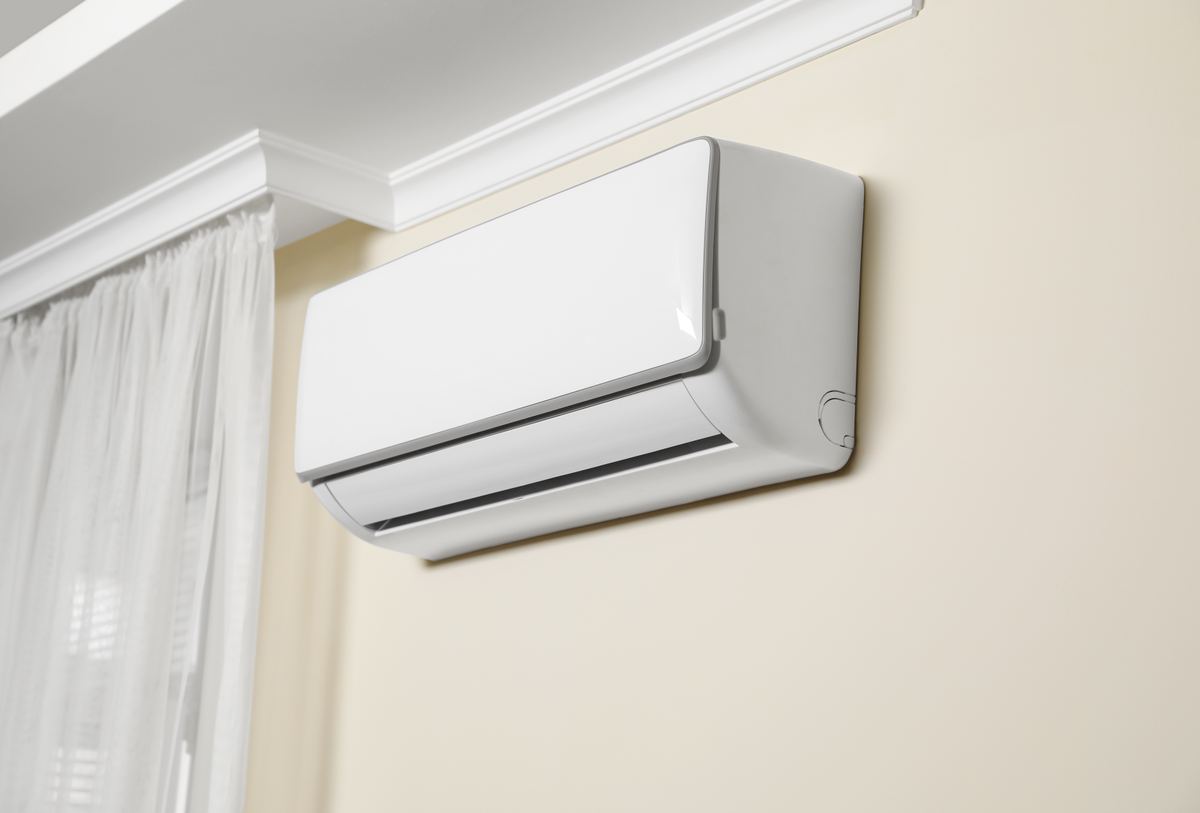
Open the front panel of the indoor head (it hinges up on most units) and slide out the thin mesh filters. If they are dusty, rinse them under lukewarm water, let them dry completely in the shade, and slide them back in. Do not put them back wet and do not use hot water, which can warp the plastic frame. In a typical Utah home, every three to four weeks is fine; in a dusty home, during pollen season, or with pets, clean them every two weeks. Clogged filters are the number-one cause of weak airflow, higher bills, and a frozen coil on a mini-split. If you also run central equipment, our Utah air filter replacement guide covers the rest of the house.
2. Wipe down the indoor unit
Dust the outside of the head and gently wipe the intake grille and the adjustable air louvers with a soft, slightly damp cloth. Keeping the vanes clean helps the unit throw air properly and keeps dust from building up where you can see it.
3. Keep the outdoor unit clear
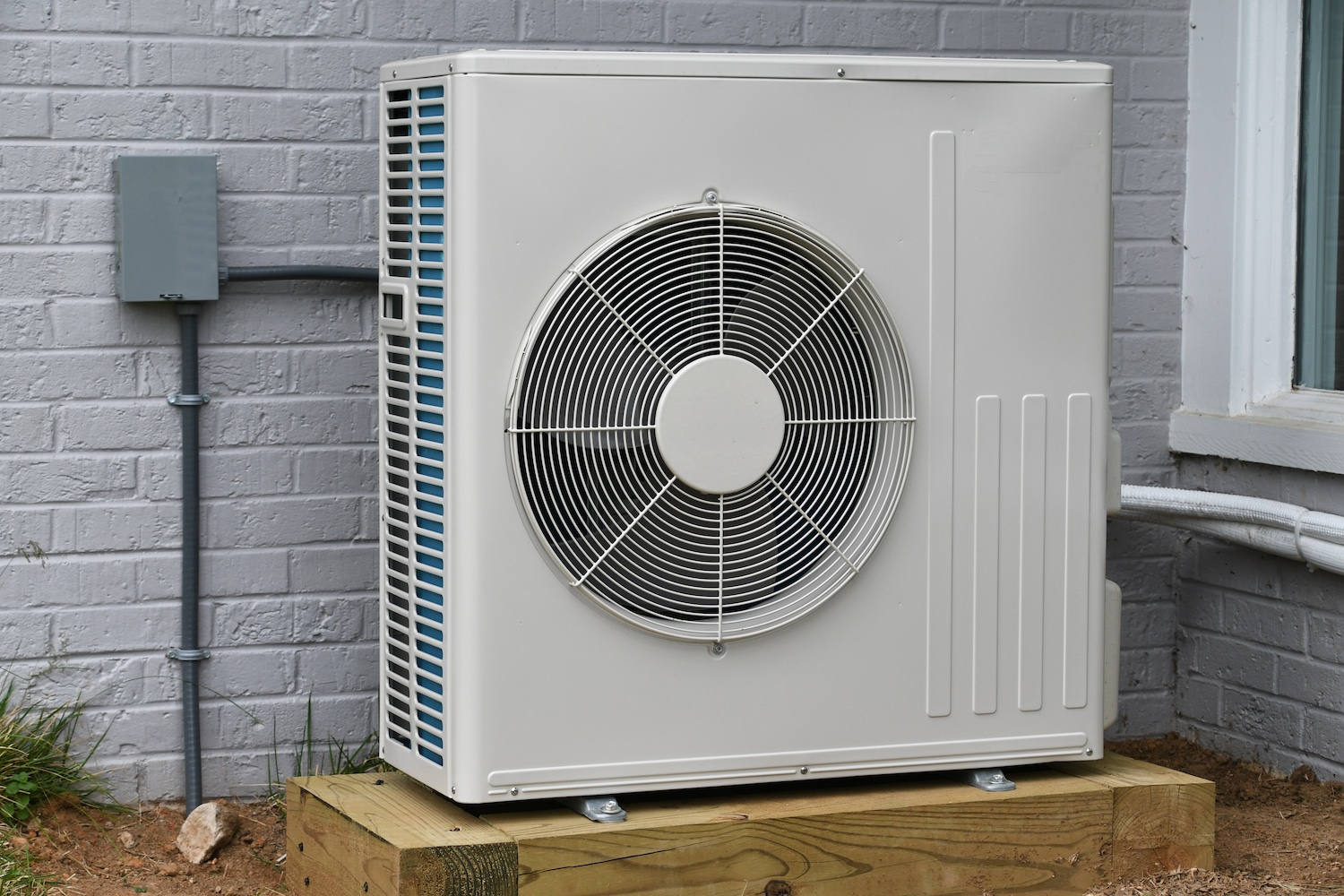
The outdoor condenser needs open airflow on all sides. Pull away leaves, grass clippings, cottonwood fluff, and weeds, and keep at least two feet of clearance around it. In winter, brush off snow and keep it clear of drifts and the drip line from a roof — a buried outdoor unit cannot move heat. Never chip ice off the unit with anything hard.
4. Build one good habit: dry the coil
After a long cooling run in summer, switch the system to fan-only for a little while before shutting it off, or use the "dry" or self-clean mode if your unit has one. Drying the coil is the simplest way to slow the mold and musty smells that mini-splits are prone to in our closed-up summer homes.
What a Technician Should Handle
Rinsing filters keeps the system alive, but it does not touch the parts that actually determine long-term efficiency and air quality. A professional ductless mini-split service — done once a year, or twice if you heat and cool with it year-round — covers the work you cannot safely do yourself.
Deep-cleaning the evaporator coil and blower wheel
Behind the filters sits the evaporator coil and a spinning blower wheel, and over time both collect a film of dust, grease, and biological growth that a filter never catches. A technician can protect the head, apply a proper coil cleaner, and clear the blower wheel's fins. This is the step that restores lost airflow and efficiency and removes the source of most musty odors. A loaded coil can quietly cost you 10–15% in efficiency before you ever notice.
Flushing the condensate drain
Cooling produces water, which drains out through a small condensate line. Algae and sediment build up in that line, and when it clogs, water backs up — which on a wall-mounted head means dripping down your wall. A pro flushes and clears the line so it drains freely.
Checking refrigerant and electrical connections
A technician verifies the refrigerant charge, because a system low on refrigerant has a leak that needs to be found and repaired, not simply topped off. They also check the electrical connections and the control board. Many Utah mini-splits now use the newer R-454B refrigerant, which is one more reason refrigerant work belongs with a licensed pro.
Dealing with mold the right way
If a head has real mold growth on the coil, blower wheel, or drain pan, surface wiping will not solve it. A deeper teardown cleaning gets the growth out at the source. If you are smelling musty air every time the system runs, that is the service you need.
Signs Your Mini-Split Needs Service
Clean filters on schedule and most problems never start. But if you notice any of these, it is time for a cleaning or a professional visit:
- Weak airflow even with clean filters — the coil or blower wheel is likely fouled.
- A musty, sour, or "dirty sock" smell when the system runs — mold or mildew inside the head.
- Water dripping from the indoor unit onto the wall — a clogged condensate drain.
- Ice on the indoor coil or the outdoor unit — often restricted airflow or a refrigerant problem.
- Rising energy bills with no change in how you use it — a dirty system works harder for the same comfort.
- New noises — rattling, grinding, or a loud blower often means debris or a worn part.
- Longer run times or rooms that will not reach the setpoint — lost capacity from buildup.
What Mini-Split Maintenance Costs in Utah
Your routine filter cleaning costs almost nothing. The numbers below are realistic 2026 ranges for professional ductless service in Northern Utah. The biggest variable is how many indoor heads your system has — a single-zone unit is quick, while a multi-zone system with four or five heads is several times the work. If you are weighing a single- versus multi-zone setup, our guide on single-zone vs. multi-zone mini-splits explains the trade-offs.
| Service | Typical cost range |
|---|---|
| DIY filter cleaning supplies | $0–$40 |
| Annual tune-up, single-zone | $150–$300 |
| Annual tune-up, multi-zone | $250–$600 |
| Deep clean per indoor head | $150–$450 |
| Heavy mold remediation per head | $450+ |
| Outdoor condenser coil cleaning | $75–$200 |
Prices vary with the number of heads, how dirty the system is, and access. A maintenance plan often bundles the annual visits at a lower rate and keeps you on a reminder schedule so you never miss a cleaning. Salmon HVAC quotes the work before any service begins, and if a quick filter cleaning is all your system needs, we will tell you that.
A Simple Seasonal Plan for Utah Homes
If you want one easy rhythm to follow, this one fits the Northern Utah climate and the way most ductless systems get used here:
- Every 2–4 weeks, year-round: rinse the filters. Set a reminder so it actually happens.
- Spring, before cooling season: book the professional tune-up so the coil and drain are clean before the first heat wave. This is the same logic behind a spring AC maintenance visit.
- Fall, before heating season: if you run the system for heat all winter, a second check now keeps it efficient through the cold months. Mini-splits that also heat your home have the same winter considerations we cover in mini-splits for Utah winters.
- After any big dust or smoke event: check and clean the filters, even if you cleaned them recently.
Keep Your Ductless System Running Like New
Clean filters on schedule, and let Salmon HVAC handle the deep cleaning and safety checks once or twice a year. Serving Northern Utah since 1979, with a repair-first approach and upfront pricing.
Frequently Asked Questions
How often should I clean my mini-split filters?
Clean the washable filters in each indoor head about every two to four weeks when the system is in heavy use, and at least once a month the rest of the year. In dusty Utah homes, during pollen season, or in a home with pets, lean toward every two weeks. The job takes only a few minutes: pop the front panel, slide out the filters, rinse them with lukewarm water, let them dry completely, and put them back.
Do ductless mini-splits need professional maintenance?
Yes. Rinsing filters keeps the system running, but a mini-split still needs a professional clean-and-check at least once a year. If you run the same system for both heating and cooling year-round, which is common in Utah, twice a year is better. A technician deep-cleans the evaporator coil and blower wheel, flushes the condensate drain, checks refrigerant charge, and inspects the electrical connections, none of which a filter rinse reaches.
Why does my mini-split smell musty when it runs?
A musty or sour smell almost always means mold or mildew has grown on the evaporator coil, the blower wheel, or in the drain pan inside the indoor head. Mini-splits are prone to this because the indoor coil stays damp after cooling. Cleaning the filters will not fix it; the growth is deeper in the unit and needs a professional deep clean. Running the system on fan-only for a little while after cooling helps dry the coil and slow it from coming back.
How much does mini-split maintenance cost in Utah?
The filter cleaning you do yourself costs almost nothing. A professional annual tune-up in Northern Utah typically runs about $150 to $300 for a single-zone system and roughly $250 to $600 for a multi-zone system, depending on how many indoor heads it has. A deeper cleaning of a dirty or moldy indoor head is usually billed per head, often about $150 to $450 each. Salmon HVAC gives you an upfront price before any work starts.
Can I clean a mini-split myself?
You can safely do the routine jobs: cleaning or rinsing the filters, wiping down the indoor unit, and keeping the outdoor unit clear of leaves, grass, and snow. Leave the deeper work to a technician, including cleaning the evaporator coil and blower wheel, flushing the condensate line, checking refrigerant, and anything electrical. Those steps involve parts that are easy to damage and a refrigerant system that needs licensed handling.
A mini-split that is cleaned on schedule runs quietly, sips energy, and keeps your air fresh for well over a decade. Let it go, and you get weak airflow, musty smells, and bigger repair bills. Salmon HVAC has kept Northern Utah comfortable since 1979. If your ductless system is overdue for a cleaning, smelling musty, or just not cooling and heating the way it used to, reach us any time at (801) 397-0030, request a quote online, or send us a message.