The best air conditioning service in Northern Utah is a licensed, insured contractor with certified technicians (NATE and EPA 608, plus training on the new A2L refrigerants), transparent written pricing, and strong local reviews — a company that knows how our dry heat, high altitude, and hard water actually affect a system. With dozens of providers advertising across Davis, Weber, Salt Lake, and Morgan counties, the trick is knowing which credentials and habits separate a company you can trust from one that will oversell you. This guide walks you through exactly what to check before you hire, updated for the 2026 refrigerant rules and the end of the federal HVAC tax credit.
Start by Understanding Your Own Cooling Needs
Before you call anyone, it helps to know what you're working with. The type of system you own and its age shape what kind of service you actually need — and make it much easier to tell whether a contractor's recommendation is honest.
Common Air Conditioning Systems in Utah Homes
- Central Air Conditioning – The most common setup in Northern Utah; cools the whole home through existing ductwork.
- Ductless Mini-Split Systems – Great for additions, finished basements, or homes without ducts, with room-by-room zone control. See our ductless mini-split guide for Utah.
- Heat Pumps – Increasingly popular here because a single system handles both cooling and heating; compare options in our heat pump vs. AC + furnace cost breakdown.
- Window & Portable Units – Affordable spot cooling for a single room, but no substitute for a properly sized whole-home system.
If your system is more than 12–15 years old, it's worth asking whether a repair still makes sense — our guide on how long an AC unit lasts in Utah can help you decide before a contractor does it for you.
Why Northern Utah's Climate Changes the Math
Our climate is hard on air conditioners in ways that matter when you're hiring. Summers along the Wasatch Front are long, hot, and dry, so systems run for months at a stretch. Elevation matters too — at 4,300+ feet, air is less dense, which affects how equipment is sized and how much cooling capacity you truly need (more in our post on altitude and your HVAC system). Add hard water and dust, and coils and components take a beating. A good local contractor accounts for all of this; an out-of-area or inexperienced one often just copies a national rule of thumb and oversizes the unit.
The Credentials That Actually Matter in 2026
Anyone can print "licensed and insured" on a truck. Here's how to verify it — and what's new this year.
Licensing and Insurance
In Utah, HVAC contractors are licensed through the Division of Professional Licensing (DOPL). Ask for the license number and confirm it's active, and make sure the company carries both liability insurance and workers' compensation. Skipping this step can leave you liable if a worker is injured on your property.
Technician Certifications
- NATE (North American Technician Excellence) – The industry's leading competency certification for technicians.
- EPA Section 608 – Legally required for anyone handling refrigerant.
- A2L refrigerant training – New and important. As of January 1, 2026, newly manufactured residential systems use R-454B, a low-GWP "A2L" refrigerant that is mildly flammable and requires updated tools, leak detection, and handling practices. If you're installing a new system, confirm your contractor's techs are trained on A2L equipment.
The Refrigerant Transition — What It Means for You
You do not need to replace a working R-410A air conditioner; those systems remain legal to run and repair. But R-410A is being phased down, so it will get scarcer and pricier over the next few years. If you're weighing a repair versus replacement, factor that in, and ask any contractor how they source refrigerant for older systems. For the full picture, read our R-410A to R-454B refrigerant change guide for Utah homeowners.
Check Reviews and Reputation the Right Way
Online reviews are useful when you read them carefully. On Google, Yelp, and the Better Business Bureau (BBB), look past the star rating for:
- Consistent comments about punctuality, cleanliness, and clear communication.
- How the company responds to negative reviews — professional, specific replies are a good sign.
- Recurring complaints about surprise charges, high-pressure sales, or callbacks for the same problem.
Referrals from neighbors, especially in your own city, are gold — a company that does great work in Bountiful or Layton likely will at your place too. For a deeper checklist, see finding reliable HVAC near you.
Compare Estimates Without Getting Burned
Pricing varies widely, so get two to three written estimates for any installation or larger repair — but compare scope, not just the bottom line. A good estimate itemizes labor and parts, names the specific equipment and efficiency rating, and spells out warranty terms and any diagnostic or after-hours fees.
Typical Northern Utah Price Ranges
- AC tune-up: roughly $90–$200
- Service call / diagnostic: roughly $80–$150
- Common repairs (capacitor, contactor, refrigerant leak): a few hundred to over $1,000 depending on the part
- Full system replacement: roughly $6,000–$14,000 installed, depending on size, efficiency, and system type
Prices vary with your home and equipment; these are ballparks to help you spot an estimate that's wildly high or suspiciously low. For a closer look at replacement pricing, see our 2026 HVAC replacement cost guide for Utah and our tips on getting a free estimate without sacrificing quality.
A Note on 2026 Tax Credits and Financing
Heads up if you're timing a purchase: the federal 25C Energy Efficient Home Improvement Credit expired for equipment placed in service after December 31, 2025. A new AC installed in 2026 no longer qualifies for that federal credit. Utility rebates and manufacturer promotions may still apply, and spreading the cost through financing keeps a replacement manageable. Ask your contractor which current incentives your specific equipment qualifies for rather than assuming last year's rules still hold.
The Services a Full-Service Company Should Offer
The best contractor is one you can call for anything, not just a one-time fix. Look for a company that handles the full range:
- Installation with a proper load calculation (Manual J) — not a guess — so your system is sized correctly for your home and our altitude.
- Repairs with clear diagnostics, plus 24/7 emergency service for the July and August heat waves.
- Maintenance plans that keep your system efficient and protect your manufacturer warranty.
- Written warranties on both parts and labor, and a clear policy on follow-up visits.
Don't Skip Annual Maintenance
Whoever you hire, a yearly tune-up before summer is the single best way to avoid a mid-heat-wave breakdown. In our climate, technicians should be cleaning coils, checking refrigerant charge, testing the capacitor and contactor, and inspecting ductwork. Neglect leads directly to higher bills and emergency calls — see how regular maintenance saves you from costly repairs.
Make the Right Choice for Your Home
Choosing the right air conditioning service comes down to verifying credentials, reading reviews with a critical eye, comparing itemized estimates, and picking a company that genuinely knows Northern Utah. Do that, and you'll get comfort, efficiency, and years of reliable cooling — without the upsells.
Looking for a Trusted HVAC Company in Centerville, UT?
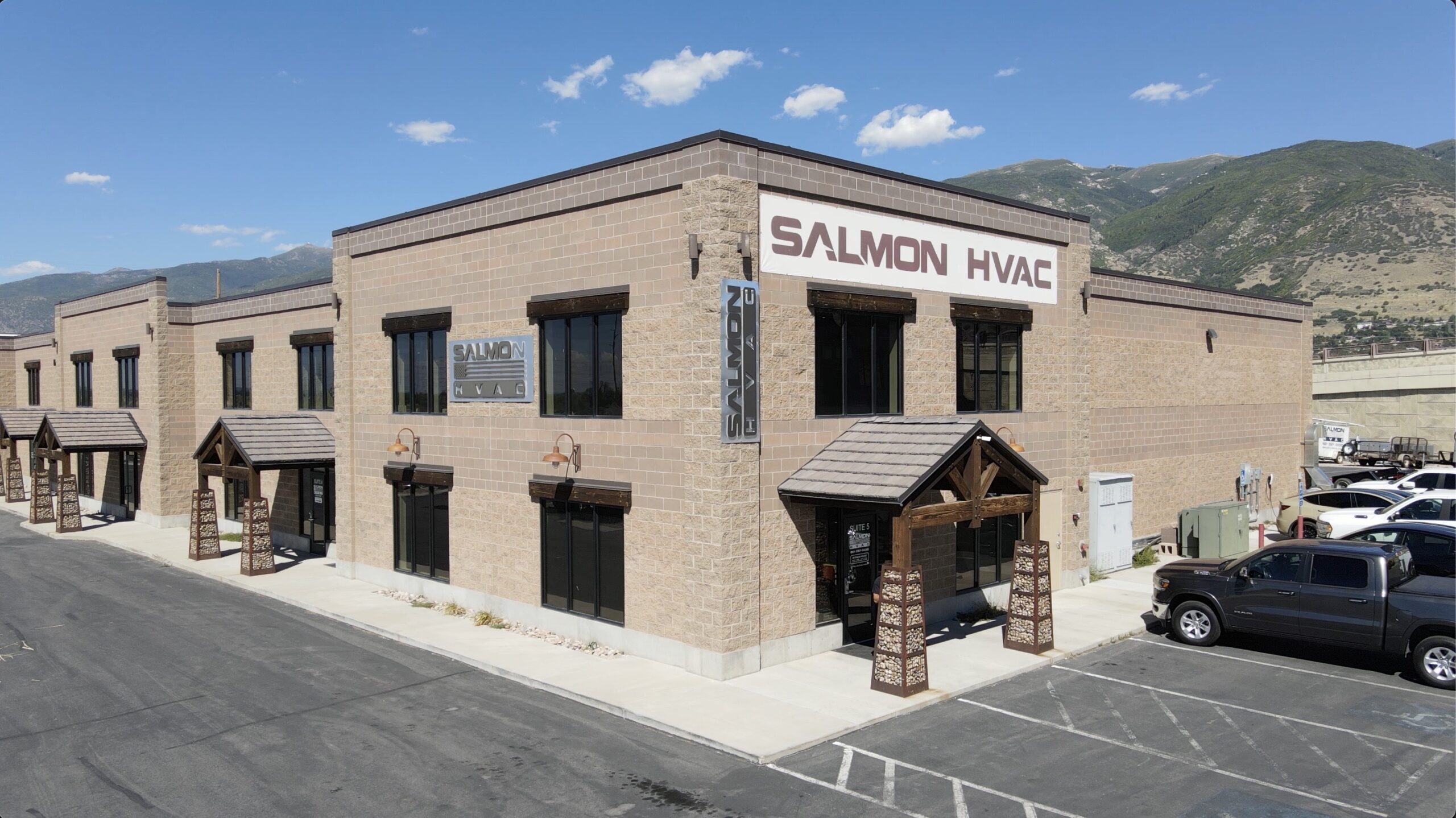
Salmon HVAC has served Northern Utah since 1979 with licensed, certified technicians and honest, upfront pricing. Whether you need installation, repair, or seasonal maintenance, we're here to help across Davis, Weber, Salt Lake, and Morgan counties. Call (801) 397-0030, request a free quote, or contact us today.
Frequently Asked Questions
What should I look for when choosing an air conditioning service in Utah?
Look for a contractor licensed through Utah's DOPL and insured, with NATE- and EPA 608-certified technicians who are also trained on the new A2L refrigerants (R-454B) required on 2026 equipment. Check Google, Yelp, and BBB reviews for consistent feedback, insist on written itemized estimates, and favor companies that offer maintenance plans and back their work with parts-and-labor warranties. Local experience with Northern Utah's dry heat, high altitude, and hard water matters too.
Does the 2026 refrigerant change affect who I hire for AC service?
Yes. As of January 1, 2026, new residential AC systems are built for R-454B, a mildly flammable A2L refrigerant with a far lower global warming potential than R-410A. Servicing and installing A2L systems requires updated tools, leak detection, and technician training. For a new install, make sure your contractor is set up for A2L equipment. If you still have an R-410A system, it's legal to keep and repair — just ask how the company sources R-410A as it becomes scarcer and pricier.
How much does AC service cost in Northern Utah, and should I get multiple quotes?
A standard AC tune-up typically runs about $90–$200, a service call and diagnostic $80–$150, and common repairs anywhere from a couple hundred to over a thousand dollars depending on the part. Full system replacements generally range from roughly $6,000 to $14,000 installed. Getting two to three written quotes is smart for installs and larger repairs so you can compare scope, equipment, and warranty — not just the bottom-line price.
Why is annual AC maintenance important in Utah?
Annual maintenance keeps your system efficient through Northern Utah's long, hot, dry summers and catches problems like low refrigerant, weak capacitors, or dirty coils before they cause a breakdown during a heat wave. At higher altitude and in dusty, hard-water conditions, coils and components work harder, so a yearly professional tune-up protects both your comfort and your warranty.
Are there still federal tax credits for a new AC in 2026?
No. The federal 25C Energy Efficient Home Improvement Credit expired for equipment placed in service after December 31, 2025, so a new AC installed in 2026 doesn't qualify for that credit. Utah utility rebates and manufacturer promotions may still apply, and financing can spread the cost over manageable monthly payments. Ask your contractor which current incentives your equipment qualifies for.