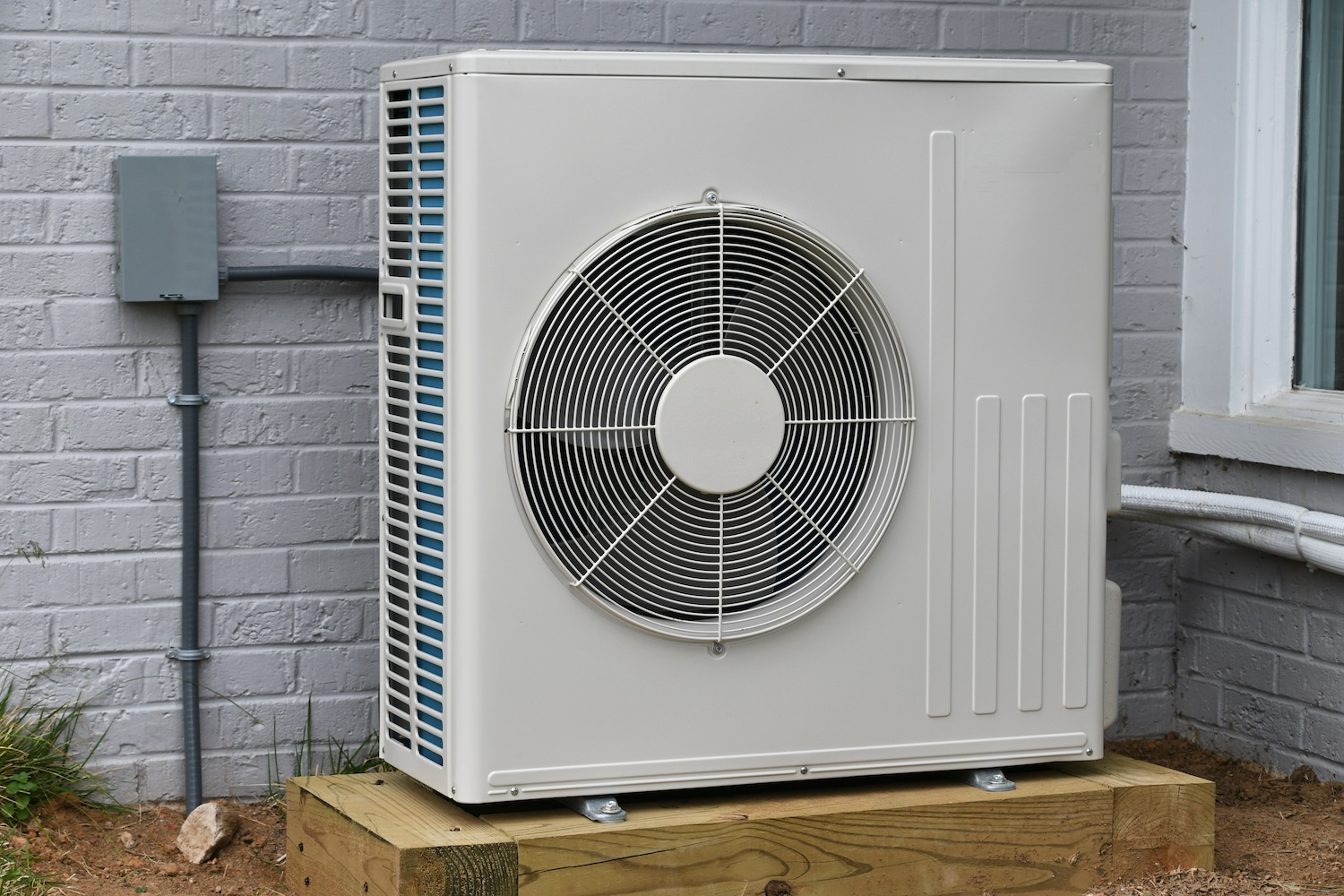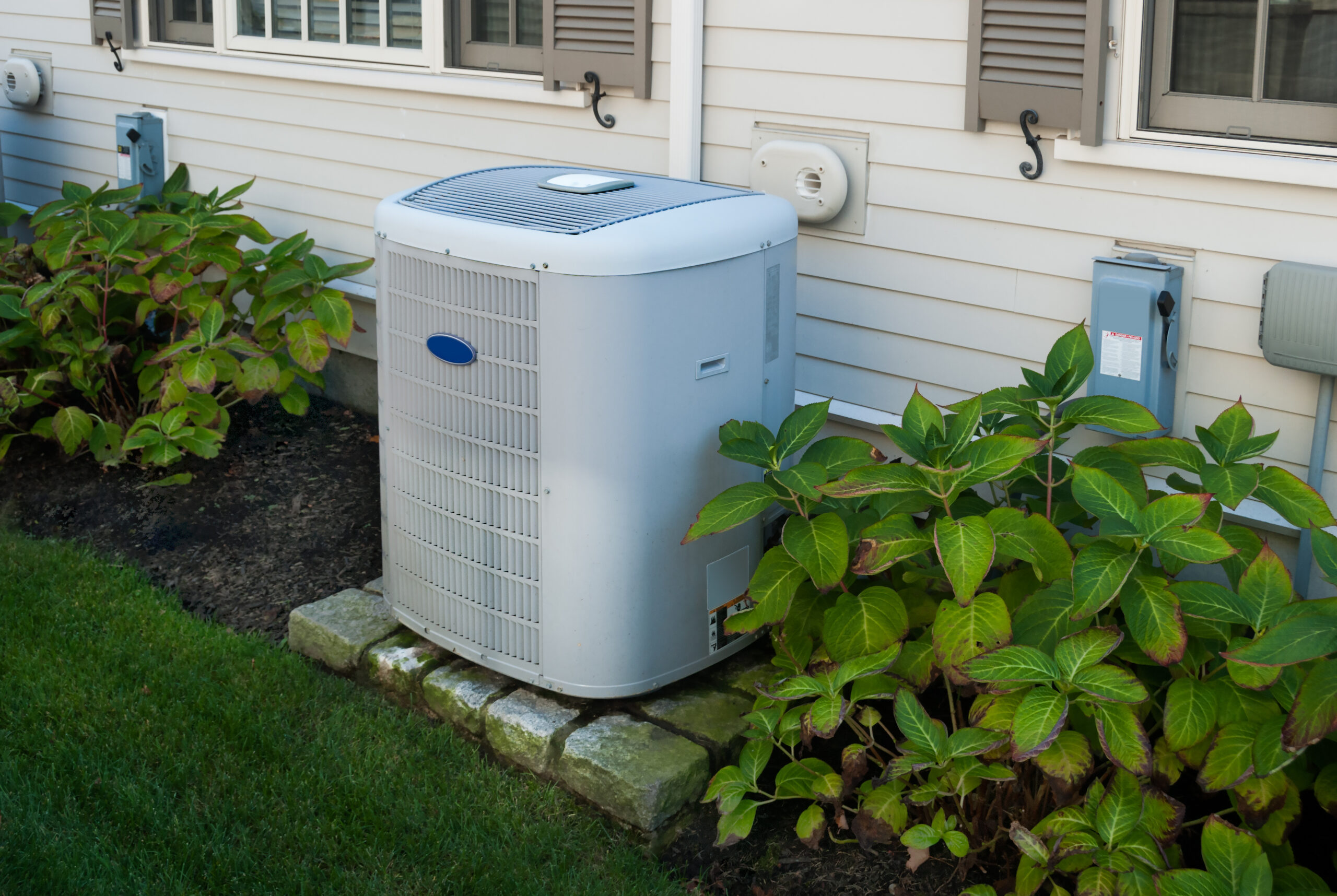
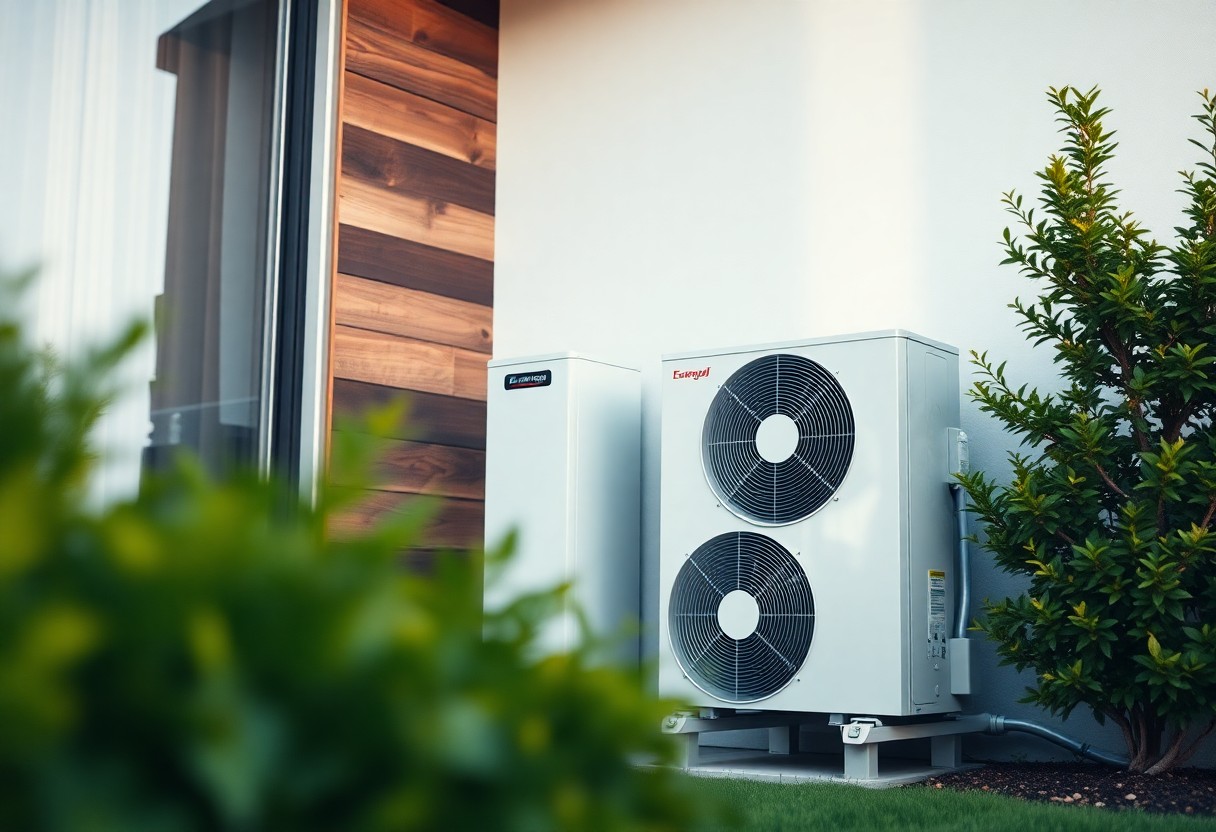
Ask most Northern Utah homeowners how their house stays warm and they'll point to the gas furnace in the basement. Ask how it stays cool and they'll point to the AC unit outside. A heat pump quietly does both jobs with one system — and it does them on a fraction of the energy. That's why heat pumps have become one of the fastest-growing upgrades along the Wasatch Front, even though most people still don't fully understand how they work. This guide walks through exactly what makes a heat pump so efficient, how it performs through a real Utah winter, what it costs in 2026, and which rebates are still on the table.
What Is a Heat Pump, Really?
The key thing to understand is that a heat pump doesn't create heat — it moves it. Your furnace burns natural gas to generate warmth. A heat pump instead uses a refrigerant cycle (the same basic physics as your refrigerator or air conditioner) to pull heat energy out of the outdoor air and carry it inside. In summer it simply runs in reverse, pulling heat out of your house and dumping it outdoors, exactly like a standard AC.
Moving heat takes far less energy than making it. That single difference is the entire reason heat pumps are so efficient, and it's why one unit can replace both your furnace and your air conditioner. For a deeper cost breakdown of that trade-off, our guide on heat pump vs. AC and furnace over 10 years in Utah runs the numbers side by side.
The Main Types of Heat Pumps
Not every heat pump is the same. The right one depends on your home's layout, your existing ductwork, and how cold your part of the valley gets:
- Air-source heat pumps — The most common choice for Utah homes. They extract heat from outdoor air and work with your existing ductwork. Modern cold-climate models are the ones that have changed the conversation in Northern Utah.
- Ductless mini-splits — Air-source units that skip ductwork entirely, delivering heating and cooling room by room. They're ideal for additions, finished basements, garages, and older homes without ducts. See our guide on how mini-splits hold up in Utah winters.
- Dual-fuel (hybrid) systems — A heat pump paired with a gas furnace. The heat pump handles the vast majority of the season efficiently, and the furnace only kicks in on the handful of brutally cold days. This is a popular, low-risk way for Utah homeowners to switch.
- Ground-source (geothermal) heat pumps — Pull heat from stable underground temperatures for the highest efficiency of all. Installation is more involved and more expensive because it requires buried loops, but performance is exceptional and consistent.
A proper heat pump assessment — including a load calculation on your specific home — is the only reliable way to know which option fits. Sizing matters more than brand: an oversized or undersized system erases much of the efficiency advantage.
How Heat Pumps Improve Energy Efficiency
They Deliver More Than They Consume
A gas furnace is, at best, roughly 95–98% efficient — you can never get more heat out than the fuel you put in. A heat pump flips that math on its head. Because it's moving existing heat rather than burning fuel, it routinely delivers two to four units of heating for every one unit of electricity it draws. That ratio is the quiet superpower behind every claim you've heard about lower bills.
Understanding SEER2, HSPF2, and COP
When you shop for a heat pump, three ratings tell you how efficient it actually is:
- SEER2 measures cooling efficiency across a season. Higher is better.
- HSPF2 measures heating efficiency across a season — the number to watch in Utah, where heating dominates the calendar.
- COP (Coefficient of Performance) is the instantaneous ratio of heat delivered to electricity used. A COP of 3 means three units of heat for every unit of power.
These standardized ratings let you compare one heat pump against another — and against a conventional furnace-and-AC pairing — on an apples-to-apples basis rather than marketing language.
One System, Year-Round
Because a heat pump heats and cools, you maintain one piece of equipment instead of two. That means a single service visit, one set of filters, and no aging AC compressor sitting unused half the year. For many homeowners, the simplicity is as appealing as the savings.
Do Heat Pumps Actually Work in a Utah Winter?
This is the question we hear most, and it deserves a straight answer. The old reputation — that heat pumps "give up" in the cold — came from older equipment. It no longer reflects what modern cold-climate heat pumps do.
Today's cold-climate air-source heat pumps are rated to deliver effective, efficient heat well below freezing, commonly down to around 5°F and often lower. For most of Davis, Weber, Salt Lake, and Morgan county winters, that covers the large majority of the heating season comfortably. Where it gets genuinely frigid — a hard cold snap, or a home up in Ogden Valley — a dual-fuel setup bridges the gap: the heat pump runs efficiently nearly all winter, and the gas furnace only fires on the coldest days. You get heat-pump efficiency without ever worrying about a cold house.
Utah's generally dry air actually helps here too, reducing the frost buildup that forces a heat pump into defrost cycles. For a full performance-and-cost comparison against a traditional furnace in genuine cold, see heat pump vs. furnace for a cold Utah winter.
What Does a Heat Pump Cost in Utah in 2026?
Installed costs vary widely with system type, home size, and whether ductwork changes are needed, so treat any single number with caution. A ductless mini-split serving one or two zones sits at the lower end, a whole-home air-source changeout in the middle, and a geothermal system at the high end because of the ground loops. The honest answer for your home comes from an in-person evaluation, not an online average.
What does hold true across the board: a heat pump's efficiency means the higher upfront cost is offset over time by lower monthly energy use, and — critically — by the rebates below. If budget is the sticking point, Salmon HVAC offers financing options that spread the investment out while you start saving on bills immediately.
Rebates and Tax Credits in 2026: What Changed
This is the part that changed significantly, and getting it right matters.
The Federal 25C Tax Credit Has Expired
The federal Energy Efficient Home Improvement Credit (Section 25C) — which gave homeowners up to $2,000 back on a qualifying heat pump — expired on December 31, 2025 under the One Big Beautiful Bill Act. For any installation completed in 2026 or later, that federal credit is no longer available. If you happened to install a qualifying heat pump on or before December 31, 2025, you can still claim it on your 2025 federal return using IRS Form 5695, but there is no equivalent federal credit for 2026 projects.
Utah Utility Rebates Are Still Active
Here's the good news: the local programs that put cash directly back in Utah homeowners' hands were always separate from the federal credit, and they remain in effect in 2026.
- Rocky Mountain Power Wattsmart Homes — Up to $2,000 cash back on qualifying heat pump installations for eligible residential customers, with an additional rebate available for a smart thermostat. This is a direct rebate, not a tax maneuver.
- Enbridge Gas ThermWise (formerly Dominion Energy) — Rebates on weatherization measures like attic insulation and air sealing, plus high-efficiency gas appliances, which pair naturally with a dual-fuel heat pump project and reduce the load your new system has to carry.
Stacking a Wattsmart rebate with ThermWise weatherization rebates can recover a meaningful chunk of your project cost up front. For the full breakdown — amounts, eligibility, deadlines, and exactly how to stack them — read our complete 2026 Utah heat pump rebates guide, and before year-end, run through the year-end HVAC rebate checklist so nothing slips past a deadline.
Maintenance and Longevity
Heat pumps aren't high-maintenance, but because they run year-round rather than seasonally, consistent upkeep matters. Change or clean filters regularly, keep the outdoor unit clear of leaves and snow drifts, and schedule a professional tune-up once a year. That routine protects both efficiency and the lifespan of the compressor — the most expensive component in the system. A unit that's neglected slowly loses the very efficiency edge you paid for.
Is a Heat Pump Right for Your Home?
Heat pumps earn their "unsung hero" reputation by doing two jobs at once, on less energy, with one quiet system. For Northern Utah homeowners weighing an aging furnace-and-AC pairing, a room addition with no ductwork, or simply a lower energy bill, they're worth a serious look in 2026 — especially with Utah utility rebates still on the table.
The right answer always comes down to your specific home: its size, insulation, ductwork, and how cold your corner of the valley gets. That's exactly what a Salmon HVAC assessment is for. Serving Centerville and the whole of Davis, Weber, Salt Lake, and Morgan counties since 1979, our team will size the system correctly, explain your options in plain language, and help you capture every rebate you qualify for.
Ready to see whether a heat pump makes sense for you? Call (801) 397-0030, request a free quote, or send us a message to schedule a consultation.
Frequently Asked Questions
Are heat pumps efficient in Utah's cold winters?
Yes. Modern cold-climate air-source heat pumps are rated to deliver effective heat well below freezing — often down to around 5°F and lower — which covers the large majority of Northern Utah's heating season. For the coldest snaps, many homes use a dual-fuel setup that pairs the heat pump with a gas furnace so the furnace only runs on the few extreme-cold days.
How much can a heat pump lower my energy bills?
Because a heat pump moves heat instead of burning fuel, it typically delivers two to four units of heating for every unit of electricity it uses. Compared with electric resistance heat or an aging furnace-and-AC pairing, that efficiency can meaningfully lower year-round energy use. Actual savings depend on your current system, fuel prices, home size, and insulation, so the best estimate comes from a load calculation on your home.
Can Utah homeowners still get rebates or tax credits for a heat pump in 2026?
The federal 25C tax credit expired on December 31, 2025, so it's no longer available for 2026 installations. However, Utah utility rebates are still active: Rocky Mountain Power's Wattsmart Homes program offers up to $2,000 cash back on qualifying heat pump installations, and Enbridge Gas ThermWise rebates can apply to dual-fuel and weatherization work. See our 2026 rebates guide for details.
What do SEER2, HSPF2, and COP mean?
SEER2 measures seasonal cooling efficiency and HSPF2 measures seasonal heating efficiency — higher numbers mean more comfort per dollar of electricity. COP (Coefficient of Performance) is the instantaneous ratio of heat delivered to electricity used; a COP of 3 means three units of heat for every one unit of power. These ratings let you compare systems on an equal footing.
Does a heat pump replace both my furnace and air conditioner?
Yes. A single heat pump provides both heating and cooling, so it can replace a separate furnace and AC with one system. In Northern Utah, homeowners often choose either a full heat pump changeout or a dual-fuel system that keeps the gas furnace as backup for the coldest days. A professional assessment determines which option fits your home and budget.