
Published August 25, 2026 • 9 min read
- A modern cold-climate heat pump keeps heating well below freezing — many are rated to hold at least 75% of capacity and a COP of 1.75+ at 5°F.
- A gas furnace's efficiency doesn't change with temperature, so on the coldest Utah nights it delivers strong, cheap heat while the heat pump works harder.
- In Utah — electricity ~13–14¢/kWh, gas ~$1/therm — the heat pump usually costs less to run most of the season, and the furnace pulls ahead only during deep cold.
- For most Northern Utah homes, a dual-fuel (hybrid) system runs whichever is cheaper automatically — the best-of-both answer.
- Want the numbers run for your house? Call (801) 397-0030 or request a free quote.
Every Northern Utah homeowner shopping for heat eventually hits the same worry: “Sure, a heat pump is efficient — but will it actually keep my house warm when the valley drops to single digits?” It's a fair question. Davis, Weber, and Morgan County winters bring real cold snaps, and nobody wants to gamble on comfort at 6 a.m. in January.
The honest answer has two parts. Capability and cost are different questions, and they have different answers. A modern cold-climate heat pump is genuinely capable of heating a Utah home through almost any winter day. Whether it's the cheapest way to make heat on the very coldest nights is a separate matter — and that's where Utah's cheap natural gas changes the picture. Below we'll walk through the actual low-temperature performance data, the real cost-per-day math, and why a hybrid system is the answer for so many local homes.
How a Heat Pump and a Furnace Make Heat Differently
The whole cold-weather debate comes down to one difference in physics.
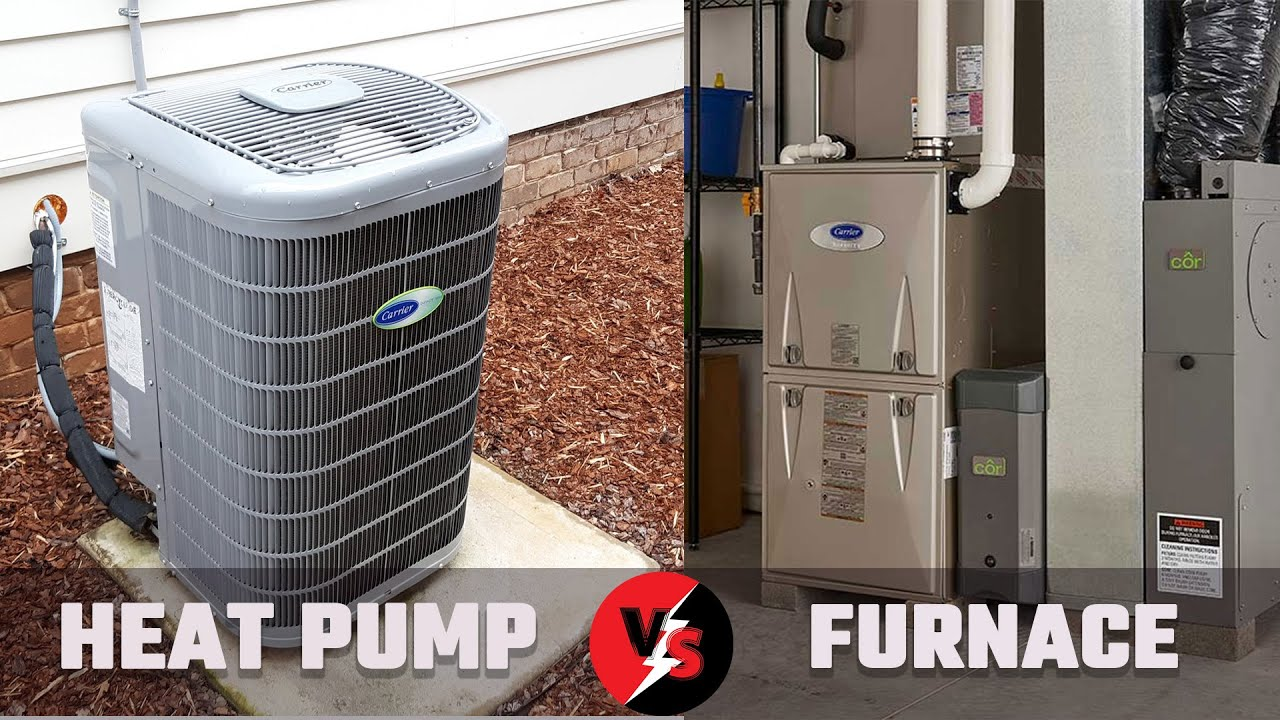
- A gas furnace makes heat. It burns natural gas and converts that fuel into warmth. Its efficiency — measured as AFUE, typically 80% to 97% — is essentially the same whether it's 40°F or -10°F outside. A furnace doesn't care how cold it is; it just burns more gas to keep up.
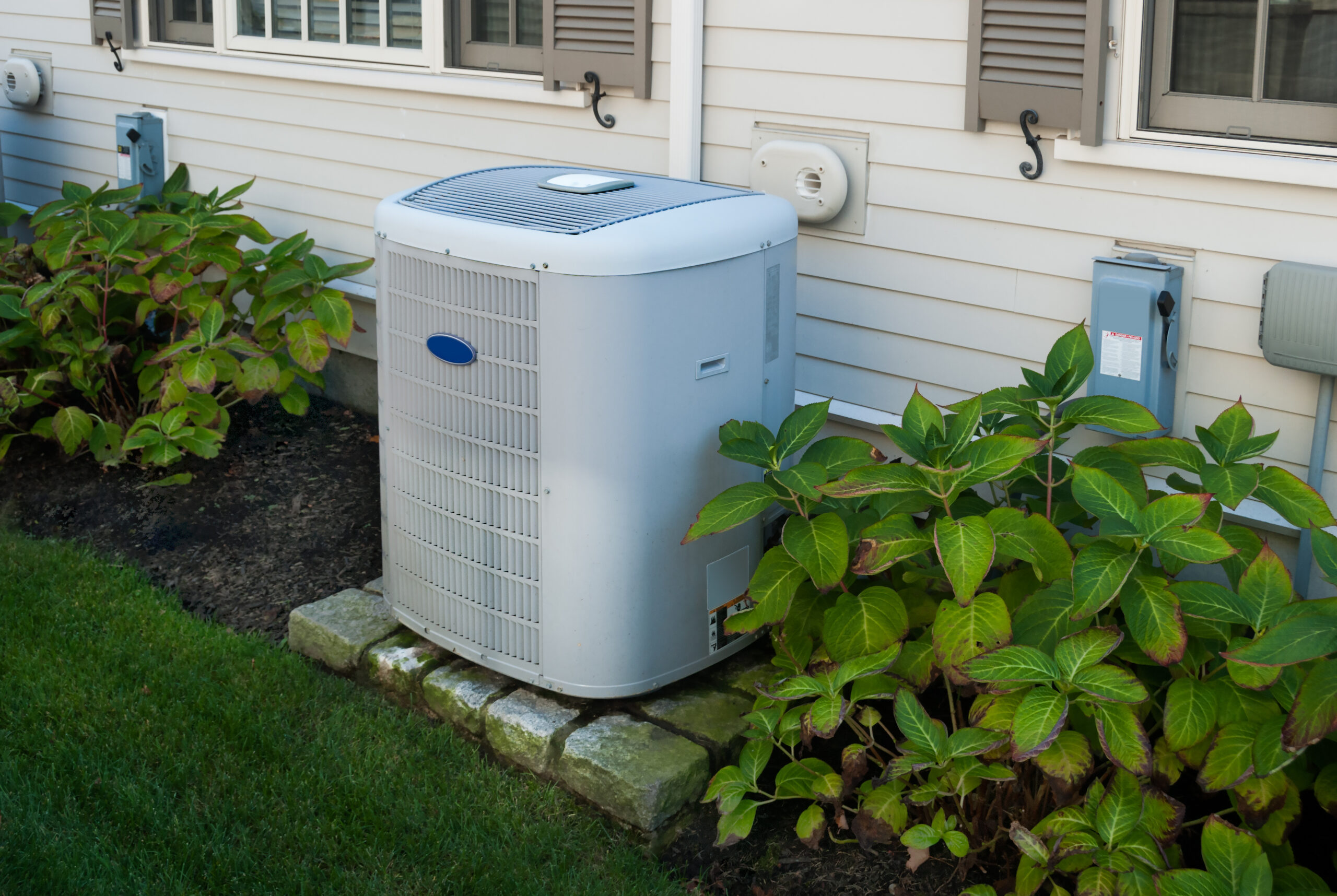
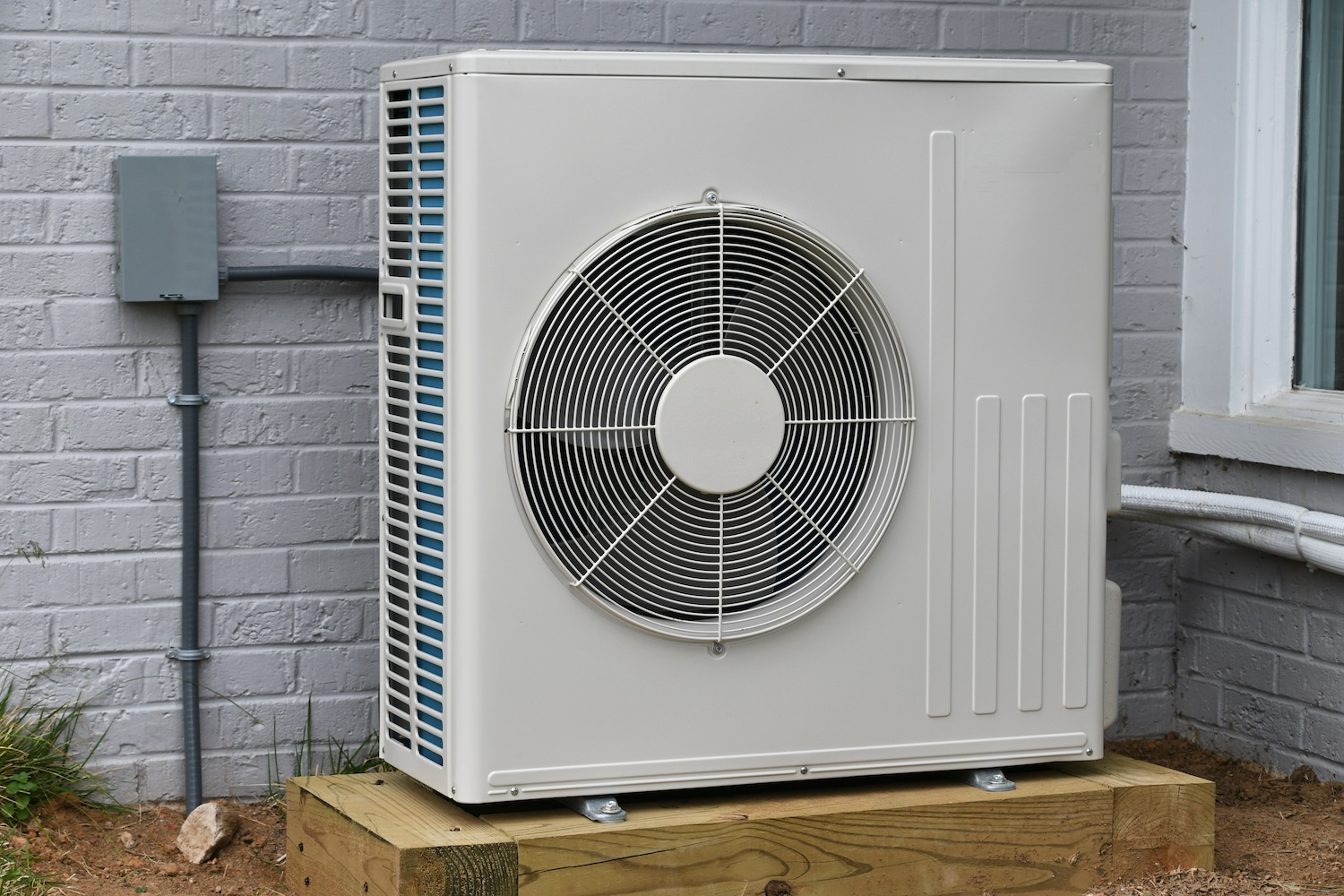
- A heat pump moves heat. Even cold winter air holds usable heat energy, and a heat pump uses refrigerant and electricity to pull that heat indoors. Because it's moving heat rather than creating it, it can deliver two to three units of warmth per unit of electricity — but the colder the outdoor air, the less heat there is to grab, so it has to work harder.
That single distinction — constant furnace efficiency versus temperature-dependent heat-pump efficiency — is the engine behind every number in this article. For a plain-English primer on how each system behaves locally, see Do Heat Pumps Work in Utah's Cold Winters?
The Performance Data: What Happens as It Gets Colder
The key number for a heat pump is COP (coefficient of performance) — how many units of heat it delivers for each unit of electricity it uses. A COP of 3 means three times more heat energy out than electricity in. As temperatures fall, COP falls with them.
Cold-climate heat pumps are specifically engineered to fight that drop-off. The industry benchmark, the NEEP cold-climate specification, requires a qualifying unit to still deliver at least 75% of its rated capacity and a COP of 1.75 or higher at 5°F. In plain terms: a good cold-climate model is still producing real, useful heat — and still beating pure electric-resistance heat — even in a hard freeze.
| Outdoor temperature | Typical cold-climate heat pump COP | What it means |
|---|---|---|
| 47°F (mild) | ~3.0–3.8 | Peak efficiency — cheap, easy heating |
| 17°F (cold) | ~2.2–2.8 | Still very efficient; well ahead of gas on cost |
| 5°F (hard freeze) | ~1.75–2.2 | Working harder; still making useful heat |
| Below 0°F (deep cold) | Falls further | Capacity drops; backup heat earns its keep |
Compare that to a gas furnace, whose 95% AFUE stays 95% at every one of those temperatures. So the heat pump has a big efficiency lead in the 30s and 40s — which is most of a Northern Utah heating season — and that lead narrows as the mercury drops. The question is where the lines actually cross in dollars, and that depends on local energy prices.
The Cost Math for Utah: Electricity vs. Natural Gas
Efficiency only tells half the story. What you actually pay is efficiency times the price of the fuel — and Utah's fuel prices are why this comparison plays out differently here than in, say, the Northeast.
As of 2026, residential energy in Northern Utah runs roughly:
- Electricity: about 13–14¢ per kWh through Rocky Mountain Power.
- Natural gas: about $1 per therm through Dominion Energy. Because one therm holds far more energy than one kWh, that works out to only around 3–4¢ per kWh-equivalent of raw energy — genuinely cheap heat.
Here's why that matters: cheap gas raises the bar the heat pump has to clear. In a region with expensive gas, a heat pump wins on cost almost all winter. In Utah, the furnace's fuel is inexpensive enough that the crossover point — the temperature where gas becomes the cheaper way to make a unit of heat — arrives sooner. Roughly speaking, a good cold-climate heat pump tends to stay cost-competitive down into the teens and low single digits, and then Utah's cheap gas pulls ahead as it gets colder still.
The practical takeaway: the heat pump saves you money on the many mild-to-cold days of a Utah winter, and the furnace saves you money on the few brutally cold ones. Neither is the cheapest choice at every temperature — which is exactly the argument for running both.
Heat Pump vs. Furnace: The Cold-Climate Scorecard
Here's how the two stack up on the factors that matter most for a Northern Utah winter. Treat these as planning guidance — your home's insulation, ductwork, and equipment choice all move the results.
| Factor | Heat Pump (all-electric) | Gas Furnace |
|---|---|---|
| Efficiency in mild cold (30s–40s°F) | Excellent (COP ~2.5–3.5) | Fixed (AFUE ~80–97%) |
| Performance in deep cold (0–10°F) | Reduced capacity; needs sizing/backup | Full output, unaffected by cold |
| Operating cost most of the season | Usually lowest | Low (cheap Utah gas) |
| Operating cost on coldest nights | Higher (leans on electricity) | Lowest |
| Also provides cooling? | Yes — one unit, both seasons | No — heating only |
| Backup heat needed? | Yes on the coldest days | No |
| 2026 Utah rebate potential | Best | Some efficiency rebates |
Notice there's no column that wins every row. That's the honest reality of a cold-climate comparison — and it's precisely why the smartest setup for most local homes pairs the two.
Why Dual-Fuel Is the Utah Sweet Spot
You don't actually have to choose between “efficient heat pump” and “reliable, cheap gas heat.” A dual-fuel (hybrid) system installs both a heat pump and a gas furnace and lets a smart control run whichever is cheaper at any given moment.
- Fall, spring, and mild winter days: The heat pump does the heating efficiently — capturing its cost advantage across the bulk of the season.
- Summer: That same heat pump cools your home, replacing a separate air conditioner.
- Deep cold snaps: When the outdoor temperature drops past the crossover point, the system automatically switches to the gas furnace — full heat output, lowest cost, no comfort gamble.
That balance is why dual-fuel usually posts the lowest real-world operating cost in our climate. If you want the full 10-year budget picture — install cost, operating cost, and rebates side by side — read our companion breakdown, Heat Pump vs. AC + Furnace in Utah: Which Costs Less Over 10 Years? And if a ductless setup is on your radar, Mini-Splits for Utah Winters covers how ductless heat pumps hold up in the cold. Our heat pump services team can tell you whether your existing furnace is a good candidate to serve as the backup.
Don't Overlook Sizing and Backup Heat
The most common reason a heat pump “can't keep up” in a cold climate isn't the technology — it's a bad install. Two details make or break cold-weather performance:
- Correct sizing. An undersized heat pump runs out of capacity on the coldest days; an oversized one short-cycles and wastes energy. A proper load calculation for your home — not a rule of thumb — is non-negotiable in Utah's climate.
- The right backup. An all-electric heat pump uses electric-resistance strips for backup, which are effective but expensive to run. A dual-fuel system uses your gas furnace as backup instead — far cheaper on the coldest nights. Choosing the backup type is a real cost decision, not a footnote.
If your current furnace ever leaves you cold, that's worth diagnosing before you buy anything — our no-heat furnace troubleshooting guide walks through the first things to check, and our furnace repair team is on call for the ones you can't fix yourself.
2026 Rebates: What Still Applies
Incentives can swing this decision by real money, so get the 2026 rules right:
- The federal 25C tax credit expired. The Energy Efficient Home Improvement Credit — up to $2,000 toward a qualifying heat pump — ended for equipment placed in service after December 31, 2025. A 2026 installation does not qualify.
- Utah utility rebates are still active in 2026. Rocky Mountain Power's Wattsmart program and Dominion Energy/Enbridge Gas's ThermWise program offer rebates on qualifying high-efficiency equipment, and in many cases they can be combined.
- Heat pumps and dual-fuel systems tend to unlock the best rebate potential, which helps offset their higher upfront cost.
Because programs and amounts change, we keep a living breakdown in our complete 2026 guide to Utah heat pump rebates and tax credits.
Let's Size the Right Heat for Your Utah Home
Heat pump, gas furnace, or a smart dual-fuel hybrid — Salmon HVAC will walk your home, run a proper load calculation, and give you an honest cold-climate cost picture with current Utah rebates. Serving Davis, Weber, Salt Lake, and Morgan counties since 1979.
Frequently Asked Questions
Can a heat pump really keep a Utah home warm in a cold winter?
Yes. Modern cold-climate heat pumps are engineered to keep heating well below freezing, and many carry a NEEP cold-climate rating that requires them to deliver at least 75% of their rated capacity and a coefficient of performance of 1.75 or higher at 5°F. That means a properly sized cold-climate unit can hold a comfortable indoor temperature through most Northern Utah winter days. The real question isn't whether it works, but what it costs to run on the coldest snaps — which is where a gas furnace's cheap natural gas becomes a factor and why dual-fuel systems are popular here.
At what temperature does a heat pump stop being cheaper than a gas furnace in Utah?
There's no single number — it depends on the heat pump's efficiency at that temperature, the price of electricity, and the price of natural gas. In Utah, with residential electricity around 13–14 cents per kWh and natural gas near $1 per therm, a heat pump's per-unit heating cost usually stays competitive down into the teens and low single digits Fahrenheit, then the math tips toward gas as the outdoor temperature keeps dropping and the heat pump's efficiency falls. A dual-fuel system sets this crossover point automatically so you always run the cheaper source.
What is the coefficient of performance (COP) and why does it matter in the cold?
COP is how many units of heat a heat pump delivers for each unit of electricity it consumes. At mild temperatures a good heat pump has a COP around 3, meaning it moves three times more heat energy than the electricity it uses. As it gets colder the COP falls — often to roughly 1.75 to 2.2 near 5°F for cold-climate models. A gas furnace's efficiency (AFUE) stays constant regardless of outdoor temperature, so the colder it gets, the more the heat pump's advantage shrinks. That's the core of the cold-climate cost comparison.
Is a gas furnace better than a heat pump for Northern Utah?
Neither is universally better — they win in different conditions. A gas furnace delivers strong, inexpensive heat on the coldest nights thanks to Utah's low natural-gas prices, but it can't cool your home and misses out on the heat pump's efficiency during the long stretch of mild-to-cold days. A heat pump heats and cools efficiently for most of the year but leans harder on electricity during deep cold. For most Northern Utah homes the best of both is a dual-fuel (hybrid) system that runs the heat pump most of the season and the gas furnace on the coldest days.
Are there heat pump rebates in Utah in 2026?
The federal 25C Energy Efficient Home Improvement Credit, which offered up to $2,000 toward a qualifying heat pump, expired for equipment placed in service after December 31, 2025, so it is not available for 2026 installations. Utah utility rebates are still active in 2026, however — Rocky Mountain Power's Wattsmart program and Dominion Energy/Enbridge Gas's ThermWise program offer rebates on qualifying high-efficiency equipment, and they can often be combined. Ask us to check what your specific home and equipment qualify for.