Published November 12, 2026 • 9 min read
- A heat pump runs all year — heating in winter, cooling in summer — so it earns a tune-up twice a year. Spring is the one to prioritize: it readies the system for the summer cooling load right after a hard winter.
- Dual-fuel systems have two machines. An electric heat pump plus a gas furnace means two sets of parts to service — and a crossover (balance point) setting a furnace-only tune-up never touches.
- A spring tune-up catches the cheap stuff early: a weak capacitor, a low refrigerant charge, a dirty coil, or a drifting balance point — before any of them becomes a July breakdown or a spike in your bill.
- You can do the basics: change the filter, clear debris, and rinse the outdoor coil gently. Leave refrigerant, electrical, and the balance point to a licensed tech.
- Ready to book? Call (801) 397-0030 or request a tune-up.
Most Utah homeowners know a gas furnace gets a fall checkup and a central AC gets a spring one. A heat pump scrambles that tidy schedule, because it's both — it heats your home in the winter and cools it in the summer, running far more hours a year than either a furnace or an AC alone. That year-round workload is the whole reason a spring tune-up matters so much, and it's why so many heat pumps quietly lose efficiency: they never get the off-season attention a single-season system does.
If you have a dual-fuel (also called hybrid) system — an electric heat pump paired with a gas furnace, which is one of the smartest setups for our Northern Utah climate — there's even more riding on that spring visit. You essentially own two heating-and-cooling machines, plus the logic that decides when to hand off between them. This guide walks through why spring is the right time, what a real tune-up includes, what's different about dual-fuel, what you can safely do yourself, and when to get it on the calendar.
Why spring is the right time to service a heat pump
Timing a tune-up isn't about superstition — it's about catching problems when they're cheap and getting ahead of the demand rush. Three things make early spring, roughly March through April, the ideal window in our area:
- The winter's wear is fresh. Your heat pump just spent months pulling heat out of cold air, cycling through defrosts, and leaning on its backup heat during cold snaps. If a part is tired — a capacitor, a contactor, a fan motor — it's showing its age right now. Service it in spring and you find that weakness before the summer load finishes it off. (For a sense of what a hard winter does to a heat pump, see our guide on why a heat pump ices up in winter.)
- You're ahead of the cooling season. The first 95°F afternoon is when every HVAC phone in the valley starts ringing. Booking a tune-up in March or April means a relaxed, thorough visit on your schedule — not an emergency call during a heat wave when you're sweating and the calendar is full.
- It protects your efficiency when you need it most. A dirty coil or a slightly low charge barely registers in mild weather. On a 100°F day it's the difference between a system that keeps up and one that runs nonstop and still can't hold temperature. Spring is when you lock in summer performance.
Because a heat pump works in both seasons, the gold standard is two tune-ups a year — one in spring before cooling, one in fall before heating. If budget means picking one, spring is the stronger single choice in most homes: it preps the system for the hardest, hottest stretch of the year.
Dual-fuel systems have two machines to tune
A dual-fuel system is a heat pump and a gas furnace working as a team. In mild and moderate weather, the efficient electric heat pump does the heating and all of the cooling. When it gets truly cold — the kind of deep freeze a Northern Utah January delivers — the system switches over to the gas furnace, which produces heat more cheaply and powerfully in extreme cold. It's the setup we most often recommend here precisely because it plays to both machines' strengths; our heat pump vs. furnace comparison digs into why that handoff wins in our climate.
The catch is that a tune-up has to cover both machines and the brain that coordinates them. A technician servicing a dual-fuel system in spring is really doing three jobs:
The heat pump side
This is the part that's about to do all your summer cooling, so it gets the most attention in spring: refrigerant charge, both coils, the compressor and fan, the reversing valve, the defrost controls, and the electrical components. A heat pump that cooled and heated all year has twice the runtime hours of a comparable AC, so these parts simply wear faster and benefit more from a check.
The gas furnace side
Even though the furnace is about to sit idle for the summer, spring is a fine time to inspect it — the burners, heat exchanger, flame sensor, and venting. Catching a cracked heat exchanger or a failing igniter now means a calm repair rather than a no-heat emergency next winter. (When fall rolls around, our 8-point fall furnace checklist covers the pre-heating-season pass.)
The crossover (balance point) setting
This is the piece unique to dual-fuel, and the one a furnace-only or AC-only tune-up never touches. The balance point — or crossover temperature — is the outdoor temperature at which the system stops using the heat pump and switches to the gas furnace. Set it too high and you burn gas on days the heat pump could have heated efficiently; set it too low and you push the heat pump to fight cold it isn't suited for. The ideal crossover depends on your equipment and on the current prices of electricity and natural gas, so it's genuinely worth revisiting during maintenance rather than setting once and forgetting. Spring is a natural moment to review how last winter's setting performed and fine-tune it before the next one.
What a spring heat pump tune-up actually includes
"Tune-up" can mean a quick glance or a genuine 20-point service depending on who you hire. Here's what a thorough spring visit on a heat pump (and, where applicable, its dual-fuel furnace) should cover:
| Area | What the technician checks |
|---|---|
| Refrigerant charge | Measures the charge and looks for leaks — a low charge wrecks efficiency and can overheat the compressor |
| Coils (indoor & outdoor) | Cleans the outdoor coil of winter grime and dust; checks the indoor coil for dirt that chokes airflow |
| Reversing valve & defrost | Confirms the valve switches cleanly between heating and cooling and that defrost controls work |
| Electrical components | Tests the capacitor, contactor, and wiring; tightens connections that vibrate loose over a season |
| Fan & motors | Checks the outdoor fan and indoor blower for smooth, full-speed operation and proper amp draw |
| Condensate drain | Clears and tests the drain so summer cooling doesn't back up and cause water damage |
| Air filter & airflow | Replaces or cleans the filter and verifies airflow across the system |
| Thermostat & controls | Confirms accurate readings and correct mode switching |
| Dual-fuel balance point | Reviews and adjusts the crossover temperature; verifies the furnace is safe and ready |
Notice how much of this is about airflow and cleanliness. A heat pump lives or dies on moving air across clean coils, and a Northern Utah winter leaves plenty of grit behind — which brings us to why this matters even more here than it would in a milder, cleaner climate.
Why it matters more in Northern Utah
Our climate is hard on heat pumps in ways that make off-season maintenance pay off faster here than almost anywhere else:
- Double the runtime. Because a heat pump both heats and cools, it racks up far more operating hours than a furnace or AC on its own — and in our region that means serving through cold winters and hot, dry summers. More hours means more wear, and more reason to service it before the next hard season.
- Dust, dry air, and grit. The arid Wasatch Front air is dusty, and a winter of wind drives fine grit into the outdoor coil. Add spring pollen and cottonwood fluff and the coil can clog quickly — exactly the thing that strangles cooling capacity on the hottest days.
- Inversion fallout. The valley's winter inversions leave a layer of settled particulate on everything outdoors, the outdoor unit included. A spring coil cleaning clears that buildup off the heat-transfer surfaces.
- Freeze-thaw and snow load. Our sunny-at-noon, single-digits-by-midnight winter days are rough on outdoor equipment, and units in snowier spots like Morgan and Ogden Valley take extra abuse. Spring is when a tech confirms the unit came through the winter level, clear, and draining properly.
- Altitude. Equipment at our elevation works a little harder for the same output, so there's less margin for a dirty coil or a weak charge to eat into.
What spring maintenance actually saves you
A tune-up isn't a feel-good ritual — it protects three things that cost real money:
- Efficiency, and your power bill. A clean, correctly charged heat pump delivers the efficiency you paid for. Let the coil cake up or the charge drift low and the system works harder for less cooling, which you feel every month on your utility bill through the summer.
- The life of the equipment. Heat pumps are a big investment, and running one with a tired capacitor or restricted airflow shortens the life of the expensive parts — the compressor above all. Regular service is the cheapest way to get full years out of the system.
- Your warranty. Most manufacturers require documented annual maintenance to keep the warranty valid. Skip the tune-ups and a denied claim on a major part can cost you thousands.
There's also a planning angle. If a spring inspection turns up a system that's limping toward the end of its life, you've got time to weigh a replacement calmly — and to line up any incentives. The federal tax-credit landscape changed recently, so the live question is what Utah rebates are available now; our 2027 Utah HVAC rebate guide lays out what's actually on the table for a new high-efficiency heat pump. If you're still deciding whether a heat pump is right for our winters at all, this guide covers how they perform here.
DIY vs. pro: what a homeowner can do
Plenty of spring heat pump care is genuinely DIY, and doing it keeps the system healthy between professional visits. Here's the honest split:
You can handle these
- Change or clean the air filter. It's the single cheapest, highest-impact thing you can do. A clogged filter starves the whole system of airflow.
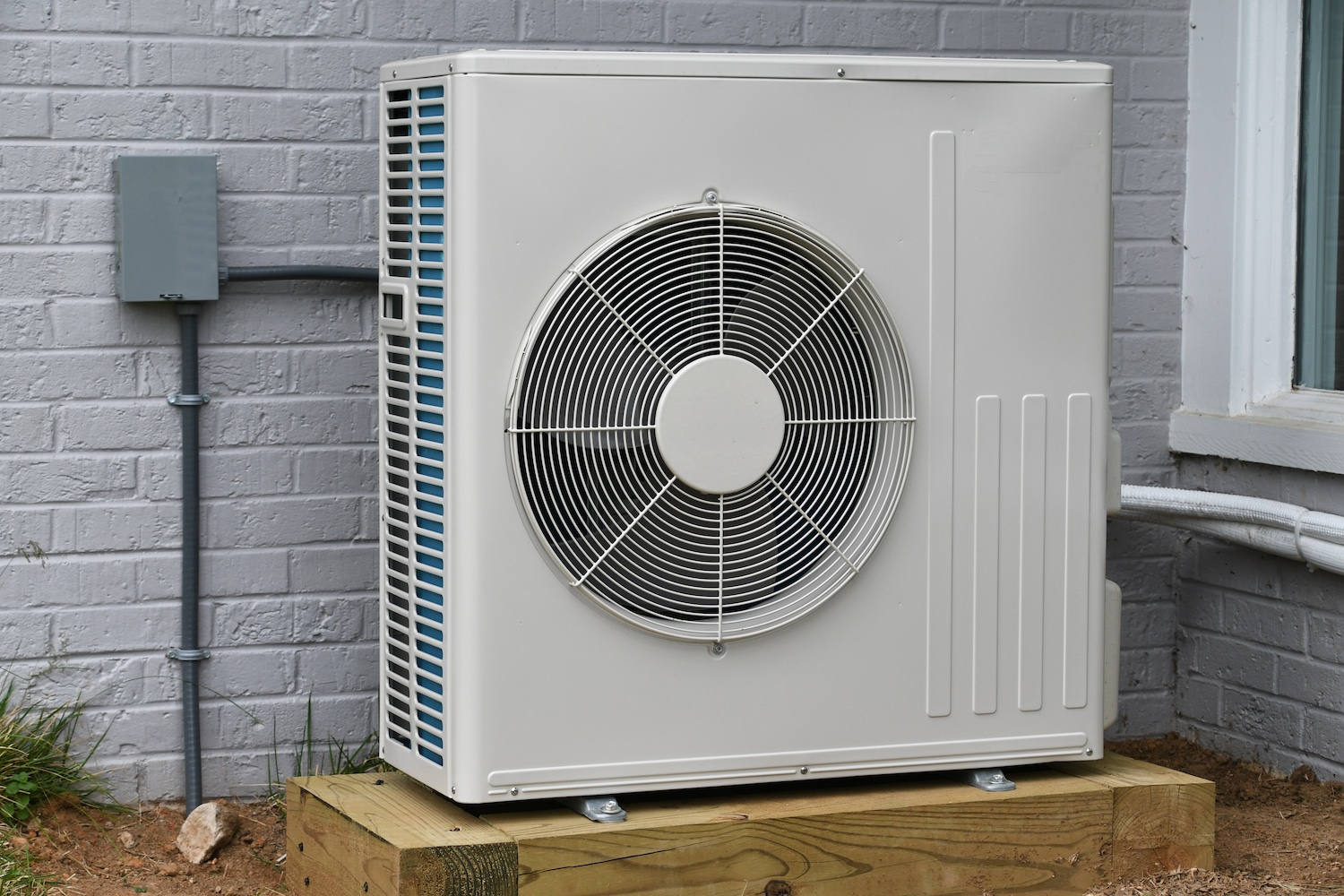
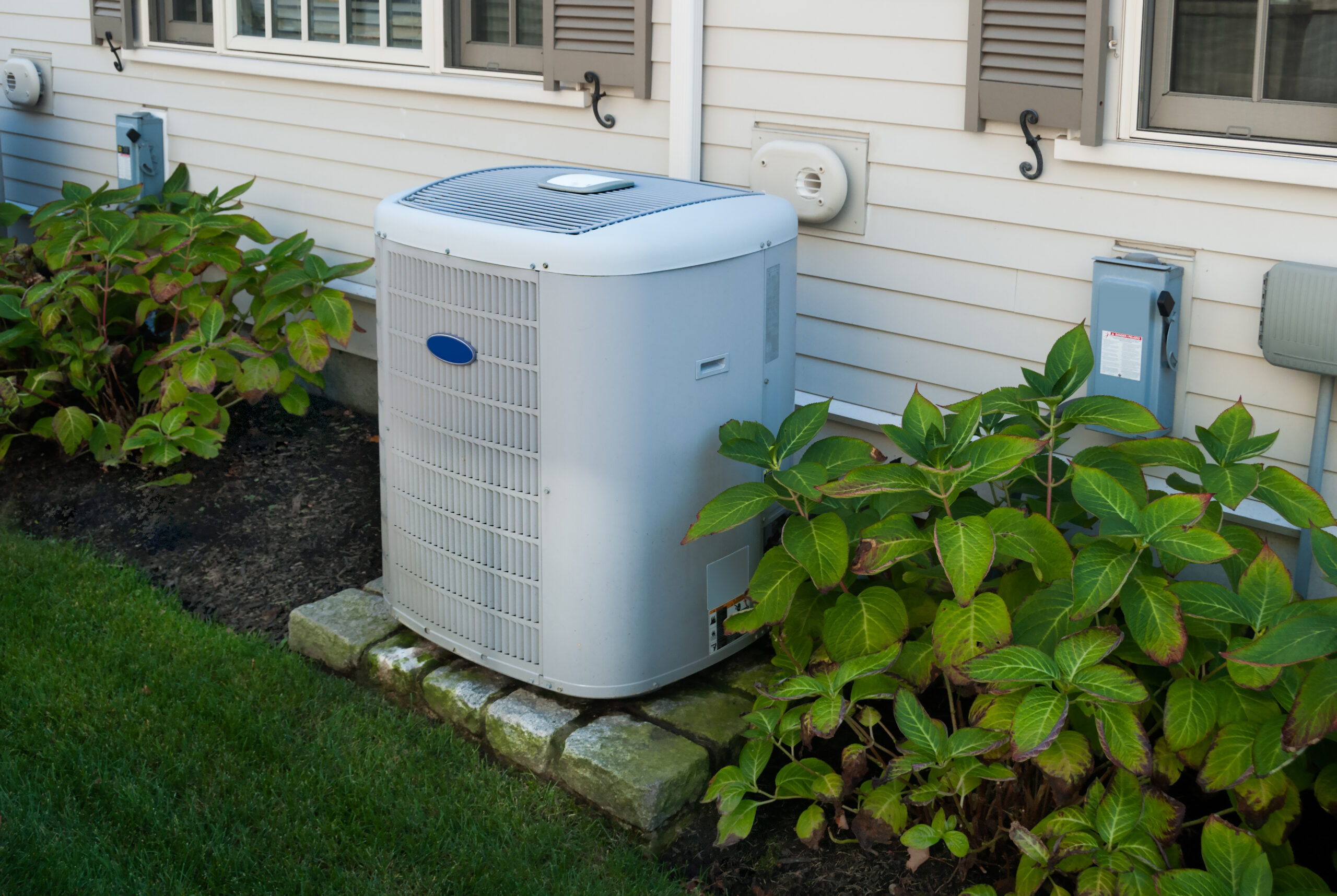
- Clear the outdoor unit. Rake out leaves, grass clippings, and debris, and keep about 18–24 inches of clearance on all sides and above.
- Rinse the outdoor coil gently. With the power off, a regular garden hose from the inside out rinses off dust and pollen. Never use a pressure washer — it bends the delicate aluminum fins.
- Check the drip and drainage. Make sure nothing is dripping onto the unit and that it sits level and clear.
Leave these to a licensed technician
- Refrigerant charge and leak checks — this requires gauges, training, and an EPA license; it's illegal to handle refrigerant without one.
- Electrical testing — capacitors store a dangerous charge even with the power off.
- Reversing valve and defrost diagnostics.
- The dual-fuel balance point and furnace safety inspection.
Think of your DIY work as keeping the system clean and breathing, and the pro visit as the diagnostic and safety check that keeps the expensive parts honest. If you want the same seasonal logic applied to a straight AC, our spring AC tune-up checklist is the cooling-only companion to this guide.
When to book — and what it costs
Aim to schedule in early spring, before the first warm stretch — late February through April is ideal in Northern Utah. That gets your heat pump inspected and summer-ready while technicians still have open calendars, and it leaves room to handle any repair the visit uncovers before you actually need cooling.
On cost, a standard annual heat pump tune-up typically runs about $150 to $300 per visit, varying with the system and what the tech finds. Many homeowners come out ahead with a maintenance plan instead, which usually bundles the spring and fall visits, adds priority scheduling when things break, and discounts repairs. A dual-fuel system may run a bit more because there are two machines to service — but it's also the system with the most to gain from a proper balance-point review. Either way, the math favors maintenance: one caught capacitor or cleaned coil often pays for the visit by heading off a mid-summer breakdown.
Salmon HVAC services heat pumps and dual-fuel systems across Davis, Weber, Salt Lake, and Morgan counties. You can learn more about our heat pump services, request a tune-up quote, or get in touch with a question — and if you'd rather just talk it through, call (801) 397-0030.
Spring Is the Time. Let's Get It Tuned.
Salmon HVAC has kept Northern Utah comfortable since 1979. Book a spring heat pump tune-up and head into summer with a system that's clean, charged, and ready — and a dual-fuel balance point dialed in for the year ahead.
Frequently Asked Questions
When should I service my heat pump in the spring?
Early spring — roughly March through April in Northern Utah — is the sweet spot. Your heat pump has just finished a hard winter of heating, so any wear is fresh and easy to catch, and you're servicing it before the cooling season starts rather than during the first heat wave when every HVAC company is slammed. Because a heat pump both heats and cools, it ideally gets two tune-ups a year: one in spring before cooling and one in fall before heating. If you can only do one, spring is a strong choice because it readies the system for the summer load it's about to carry.
Does a dual-fuel (hybrid) heat pump need more maintenance than a regular furnace?
Yes. A dual-fuel system pairs an electric heat pump with a gas furnace, so you effectively have two heating/cooling machines under one system — and both need service. The heat pump runs in spring, summer, and mild winter weather; the gas furnace takes over in deep cold. A proper tune-up checks both, plus the crossover (balance point) setting that decides when the system hands off from the heat pump to the furnace. That handoff is where dual-fuel systems save money, and it's exactly the part a furnace-only tune-up never touches.
How much does a heat pump tune-up cost in Utah?
A standard annual heat pump tune-up typically runs about $150 to $300 per visit, depending on the system and what the technician finds. Many homeowners instead buy a maintenance plan, which usually bundles two visits a year (spring and fall), priority scheduling, and discounts on any repairs. A dual-fuel system can run a bit higher because there are two machines to service. The real value isn't the visit itself — it's catching a weak capacitor, a low refrigerant charge, or a dirty coil before it becomes a mid-summer breakdown or a spike in your power bill.
Can I do heat pump spring maintenance myself?
You can and should handle the basics: replace or clean the air filter, clear leaves and debris from around the outdoor unit, gently rinse the outdoor coil with a garden hose (never a pressure washer), keep about 18 to 24 inches of clearance around the unit, and make sure nothing is dripping onto it. Leave the rest to a licensed technician — checking refrigerant charge, testing the capacitor and electrical connections, verifying the reversing valve and defrost controls, and setting the dual-fuel balance point all require tools, training, and an EPA license for refrigerant work.
What is the balance point (crossover) setting, and why check it in spring?
In a dual-fuel system, the balance point — or crossover temperature — is the outdoor temperature at which the system stops using the heat pump and switches to the gas furnace. Set it too high and you burn gas when the heat pump could still heat efficiently; set it too low and the heat pump struggles in cold it shouldn't be fighting. The ideal point shifts with electricity and gas prices, so it's worth revisiting during annual maintenance. Spring is a natural time to review how the setting performed over the winter and adjust it before next heating season.