Utah’s climate presents unique challenges when it comes to cooling your home. With scorching summers and cold winters, central air conditioning can be an excellent solution—if chosen wisely. Before making the investment, homeowners should understand how elevation, seasonal temperature fluctuations, and system efficiency impact performance. Here’s what you need to know.
Updated for 2026: Two big changes now shape every central AC purchase in Utah. Efficiency is measured in SEER2 (not the old SEER), and as of January 1, 2025 every new system uses a low-global-warming refrigerant such as R-454B or R-32 instead of R-410A. Both affect what you’ll pay and what to ask your installer. We’ve folded the latest cost ranges, efficiency minimums, and incentive rules into the guide below.
Understanding Utah’s Climate and Its Impact on Cooling
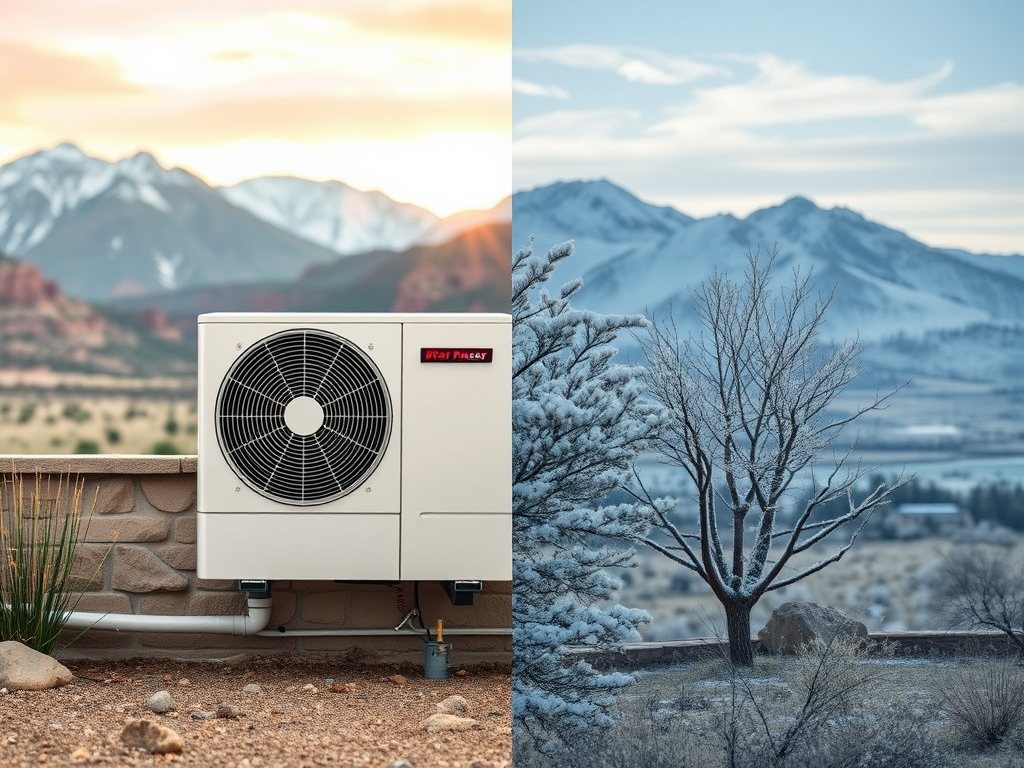
Utah experiences dramatic temperature swings, low humidity, and varying elevations—all of which influence how an HVAC system performs.
Utah’s Seasonal Temperature Fluctuations
Understanding how temperatures change throughout the year can help homeowners choose an air conditioning system that keeps their home comfortable year-round.
| Season | Average Highs | Average Lows |
|---|---|---|
| Winter (Dec–Feb) | 30s to 40s °F | Teens °F |
| Spring (Mar–May) | 50s to 70s °F | 30s °F |
| Summer (Jun–Aug) | 80s to 100s °F | 50s to 60s °F |
| Fall (Sep–Nov) | 60s to 70s °F | 30s to 40s °F |
How Elevation Affects AC Performance
Utah’s varying elevations can influence the efficiency of a central air system:
- Higher elevations (Park City, Logan, Cedar City) – Cooler summers may require smaller AC units, but efficient heating is crucial for winter.
- Lower elevations (Salt Lake City, St. George, Provo) – Hotter summers demand high-efficiency cooling systems with proper insulation.
Choosing an AC system tailored to your location ensures maximum efficiency and year-round comfort. Altitude also affects how equipment is sized and charged—our article on Utah’s altitude and your HVAC system explains why.
Benefits of Central Air Conditioning in Utah
Many Utah homeowners opt for central air over alternatives like swamp coolers, window units, or ductless systems. (If you’re comparing those options, see mini-split vs. central air vs. window units.) Here’s why central air remains the go-to for whole-home cooling:
1. Consistent, Whole-Home Cooling
Unlike window units or swamp coolers, central air systems distribute cool air evenly throughout the home, eliminating hot spots.
2. Improved Energy Efficiency
Modern central air systems are designed to use energy efficiently, reducing long-term utility costs when compared to multiple window AC units.
3. Better Indoor Air Quality
Central AC systems filter out dust, pollen, and pollutants—especially beneficial in Utah’s dry climate, where airborne particles are common.
Potential Drawbacks of Central Air Conditioning
While central air has many advantages, it’s important to consider potential downsides:
1. Higher Upfront Costs
In 2026, a standard central AC installation in Northern Utah typically runs $5,000 to $10,000, with high-efficiency variable-speed systems reaching $10,000 to $13,000+, depending on tonnage, efficiency, and whether ductwork or a new refrigerant line set is needed. Prices are up roughly 7–15% from a few years ago, largely because of the switch to R-454B refrigerant (more on that below). Energy savings and long-term comfort often offset the initial investment, and HVAC financing can spread the cost into manageable monthly payments. For a deeper breakdown, see our 2026 Utah HVAC replacement cost guide.
2. Ongoing Maintenance Requirements
Regular upkeep, such as filter changes, coil cleaning, and professional inspections, is necessary to maintain efficiency and prevent breakdowns.
3. Potential Noise Issues
Some central air units generate noise, though newer models have quieter operation. Proper placement and professional installation can help minimize sound levels.
The 2026 Refrigerant Change: What R-454B Means for You
This is the single biggest shift for anyone installing central air in Utah right now. Under an EPA phase-down of high-global-warming refrigerants, manufacturers stopped building new residential systems with R-410A as of January 1, 2025. Every new central AC and heat pump now ships with a lower-impact refrigerant—most commonly R-454B (and R-32 in some brands).
Here’s what that means for a 2026 installation:
- Slightly higher equipment cost. The new refrigerants and the redesigned components built to handle them have pushed equipment prices up roughly 10–15%.
- Your line set may need replacing. R-454B is mildly flammable (A2L class), so it requires compatible components. In many retrofits the existing copper line set can’t simply be reused—confirm whether a new line set is included in your quote.
- R-410A service isn’t disappearing overnight. If you already have an R-410A system, it can still be repaired and recharged for years; this change only affects newly manufactured equipment.
- Buy from a qualified installer. A2L refrigerants require updated tools, leak detection, and handling procedures. Make sure your contractor is trained and equipped for them.
We break the whole transition down in our R-410A to R-454B guide for Utah homeowners—worth a read before you sign a quote.
Choosing the Right Central Air System
With Utah’s unique climate, selecting the right system is crucial. Here’s what to consider:
Types of Central Air Conditioning Systems
| System Type | Key Benefits |
|---|---|
| Split System | Most common; separate indoor and outdoor units for efficiency. |
| Packaged System | All components housed in one unit—ideal for small homes. |
| Heat Pump | Provides both heating and cooling; energy-efficient in mild climates. |
| Geothermal System | Uses underground heat for high efficiency; costly upfront. |
| Hybrid System | Combines furnace and heat pump for flexible energy use. |
Proper Sizing for Your Home
A properly sized AC unit ensures efficiency. Oversized units short-cycle, leading to energy waste, while undersized units struggle to cool the home. Consider factors like:
- Home square footage
- Ceiling height
- Insulation levels
- Number of windows and sun exposure
An HVAC professional can perform a load calculation to determine the best system size for your home. Salmon HVAC includes this sizing step with central AC installation so the equipment matches Utah heat, altitude, insulation, and ductwork conditions.
Energy Efficiency Ratings (SEER2)
Since 2023, cooling efficiency is rated in SEER2 (Seasonal Energy Efficiency Ratio 2), a tougher test that replaced the old SEER. For 2026, the federal minimum for a split-system central AC in the Northern region—which includes Utah—is 13.4 SEER2 (roughly 14 SEER). That’s the floor, not the goal: for Utah’s long, hot, dry summers, stepping up to a 15.2 SEER2 or higher variable-speed system typically pays for itself in lower cooling bills over the life of the unit. If you’re weighing options across your whole home, our guide on choosing the right HVAC system for your Utah home walks through the trade-offs.
Installation Considerations
When installing central air in Utah, timing, contractor selection, and local regulations matter.
Best Time for Installation
The best time to install a central AC system is in the spring or fall when demand is lower. Scheduling installation before peak summer heat can lead to cost savings and better availability.
Hiring a Qualified HVAC Contractor
Choose a licensed and insured HVAC contractor with experience in Utah’s climate. Look for:
- NATE-certified technicians for expert installation.
- Positive customer reviews and local references.
- Transparent pricing and detailed quotes.
Permits and Local Regulations
Utah has specific building codes for HVAC installations. A professional contractor will handle the permitting process to ensure compliance with local regulations.
Rebates, Tax Credits & Financing in 2026
An important 2026 update: the federal 25C Energy Efficient Home Improvement Tax Credit expired for equipment placed in service after December 31, 2025 under the 2025 tax law changes. If your system wasn’t installed and running by the end of 2025, that federal credit is no longer available for central AC or heat pumps.
The good news—there are still ways to offset the cost:
- Utility and state rebates. Programs through providers like Dominion Energy and Rocky Mountain Power, plus Utah heat-pump incentives, can still reduce the price on qualifying high-efficiency equipment. Availability and amounts change, so confirm current offers before you buy.
- Manufacturer promotions. Seasonal rebates from equipment makers often appear in spring and fall.
- Financing. Spreading the investment over monthly payments keeps a new system affordable—see our guide to HVAC financing in Utah or apply for financing directly.
Maintenance Tips for Longevity
Proper maintenance extends the life of your central air system and improves efficiency.
Key Maintenance Tasks:
✅ Change air filters every 1–3 months
✅ Schedule professional tune-ups twice a year
✅ Keep outdoor units clear of debris
✅ Check and clean evaporator and condenser coils
✅ Monitor refrigerant levels and fix leaks
Regular AC maintenance prevents costly repairs and ensures your AC operates at peak performance. If the system is already struggling, schedule AC repair before the next heat wave pushes it harder.
Is Central Air the Right Choice for Your Utah Home?
Considering central air in Utah? Make sure you choose a system that suits your home’s needs, budget, and climate challenges. Proper installation and maintenance will keep your home comfortable year-round.
Need Expert HVAC Advice? Contact Salmon HVAC!
For professional AC installation, maintenance, or repairs in Centerville, UT, trust Salmon HVAC. Our experienced technicians can help you find the best cooling solution for your home. Call us today at (801) 397-0030 or request a free HVAC quote to schedule an appointment.
FAQs
Q: What are the key advantages of installing central air in Utah?
A: Central air provides consistent cooling, improved indoor air quality, and energy efficiency. It’s ideal for handling Utah’s dry, hot summers and temperature swings.
Q: How do I determine the right size of central AC for my home?
A: Consult an HVAC technician for a load calculation based on your home’s square footage, insulation, and sun exposure. Proper sizing ensures efficiency and comfort.
Q: How often should I maintain my central air system?
A: Change filters every 1–3 months, schedule annual professional tune-ups, and clean outdoor units regularly to maintain efficiency and prevent breakdowns.
Q: What SEER2 rating should I look for in an AC unit?
A: The 2026 federal minimum for Utah (Northern region) is 13.4 SEER2, roughly equal to 14 SEER. For better long-term savings in Utah’s hot summers, a 15.2 SEER2 or higher variable-speed system is often worth the extra upfront cost.
Q: What is R-454B, and will my new AC use it?
A: Yes. Since January 1, 2025, new central AC systems use low-global-warming refrigerants like R-454B or R-32 instead of R-410A. This raised equipment costs about 10–15%, and some installs need a new refrigerant line set—ask your contractor to confirm what the quote includes.
Q: Can I still get a federal tax credit for installing central air in 2026?
A: No. The federal 25C tax credit ended for equipment placed in service after December 31, 2025. However, utility and state rebates plus financing can still help offset the cost.
Q: When is the best time to install a new central AC system?
A: Spring and fall are ideal, as HVAC companies are less busy, and you can avoid the summer rush.