The fastest way to prevent frozen pipes in a Northern Utah home is to keep the heat on (never below 55°F), insulate pipes in unheated spaces like crawl spaces and garages, disconnect outdoor hoses before the first hard freeze, and let a faucet drip on the coldest nights. Frozen pipes are one of the most common—and most expensive—winter home emergencies. Along the Wasatch Front, overnight lows routinely sit in the teens and single digits from December through February, and an unprotected pipe can freeze and burst in a matter of hours. The good news: prevention is cheap, and almost all of it you can do yourself in an afternoon. At Salmon HVAC, we help Davis, Weber, Salt Lake, and Morgan County homeowners winterize their homes every year, and reliable heat is the single biggest factor in keeping plumbing safe.
Why Pipes Freeze in Northern Utah
Water freezes at 32°F, but pipes usually need sustained exposure to temperatures around 20°F or lower before the water inside them actually freezes. That's not a rare event here: Salt Lake City, Ogden, and the Davis County valley floor regularly drop into the teens overnight through the heart of winter, and the colder benches and canyon-adjacent neighborhoods in places like Morgan, Kaysville, and Ogden Valley can run several degrees colder still. A multi-day cold snap—the kind that often settles in during a valley inversion—is the most dangerous scenario, because the cold has time to work its way into enclosed spaces.
Pipes are most at risk where they run through unheated or poorly insulated areas: crawl spaces, unfinished basements, attics, attached garages, and inside exterior walls. Water sitting stagnant in a line freezes faster than moving water, and sudden temperature drops—a mild stretch followed immediately by a hard freeze—catch a lot of homeowners off guard. Older homes with thin insulation and drafty rim joists are especially vulnerable, but newer construction is far from immune when a pipe is run through an exterior wall or an uninsulated bay.
The common thread in nearly every burst-pipe call we see is lost heat. When a furnace fails during a cold snap, indoor temperatures can fall into frozen-pipe territory within hours. That's why heating reliability—not just plumbing—is central to prevention. If your furnace is short-cycling, blowing cool air, or struggling to keep up, read our guides on why a furnace runs constantly in winter and no-heat furnace troubleshooting for Utah homes before the temperature drops.
What Frozen Pipes Actually Cost
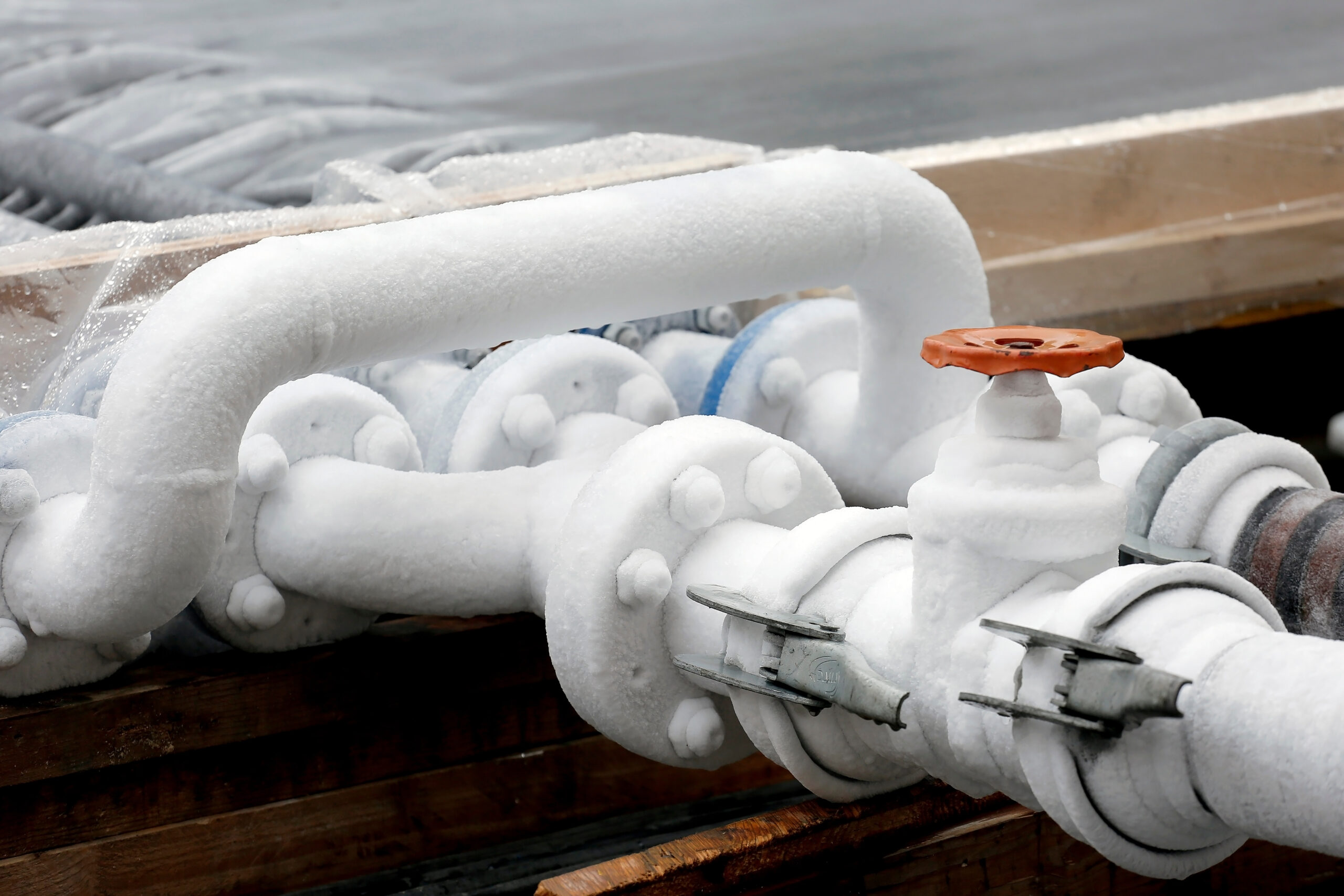
Frozen pipes are a serious emergency because water expands roughly 9% as it freezes. That expansion builds enormous pressure inside the pipe—often enough to split copper or crack PEX and fittings. The break itself may not leak until the ice thaws, and then water pours out through walls, ceilings, floors, and belongings. A relatively small crack can release hundreds of gallons a day if it goes unnoticed while you're asleep or away from home.
The financial side is sobering. Insurance-industry data puts the average frozen-pipe water-damage claim in the range of $10,000 to $15,000, and severe cases—where flooding ruins flooring, drywall, and electrical—can climb well past $50,000. Water intrusion also feeds mold, which can take hold within 24–48 hours and adds remediation costs and potential health effects on top of the structural repairs. Set against all that, a few dollars of pipe insulation and a working thermostat are an easy trade.
Insulate the Pipes That Matter Most
Insulation is the highest-value prevention step you can take, and it's inexpensive. Wrap any exposed pipe in an unheated area with foam pipe sleeves, fiberglass wrap, or insulated tape—both hot and cold lines. Focus first on the usual Utah trouble spots:
- Crawl spaces and unfinished basements — the most common freeze location in our service area.
- Attached and detached garages — especially lines feeding a utility sink, water heater, or laundry.
- Exterior walls — pipes here are hidden but exposed to outdoor cold; seal nearby drafts and gaps.
- Attics and rim joists — often overlooked, and often the coldest cavities in the house.
For pipes that still freeze despite insulation—a notorious run through an uninsulated garage wall, for example—UL-listed, self-regulating heat cable (heat tape) adds constant warmth during a deep freeze. Install it according to the manufacturer's instructions and pair it with insulation over the top for best results.
Keep the House Warm Enough
Consistent indoor heat protects plumbing better than any other single measure. A few rules that hold up through a Northern Utah winter:
- Never set the thermostat below 55°F, even when you're away. Deep setbacks save a little on the gas bill and risk a four-figure plumbing disaster.
- Open cabinet doors under kitchen and bathroom sinks on the coldest nights so warm air can reach the pipes inside.
- Let a faucet drip during extreme cold—a slow trickle from the fixture farthest from where water enters the house keeps water moving and relieves pressure if ice does start to form.
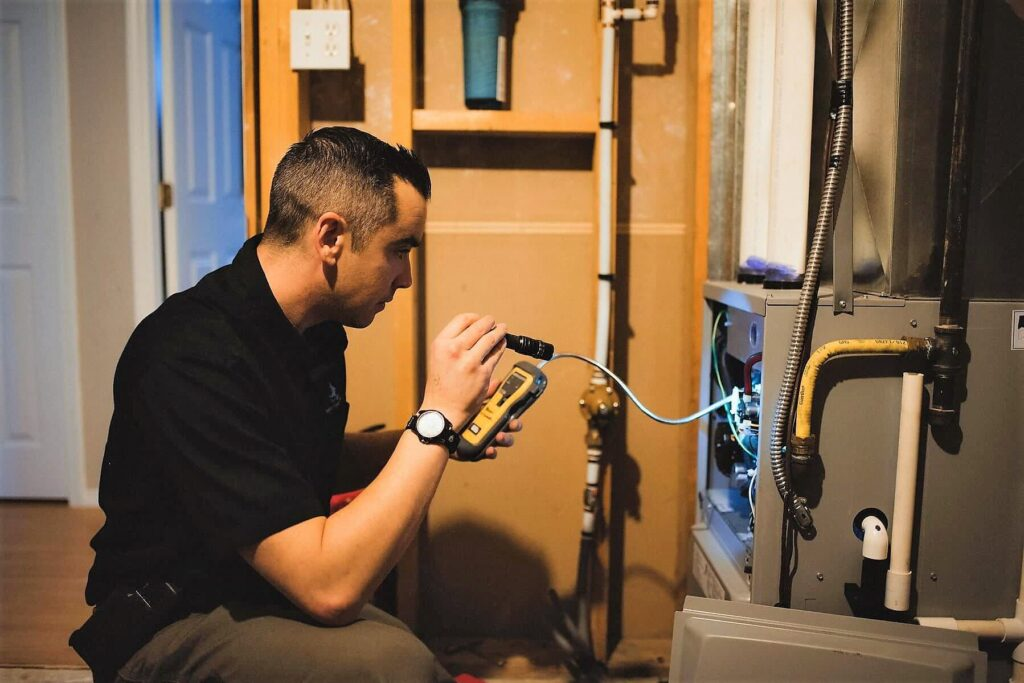
- Keep the furnace running reliably. A furnace that can't keep up during a cold snap is a frozen-pipe risk. A fall tune-up catches weak igniters, dirty flame sensors, and failing parts before they strand you—see getting your furnace ready for winter and our winter furnace tune-up guide.
If you heat with a heat pump or ductless mini-split, make sure the system is sized and set to hold temperature through the coldest nights rather than struggling in backup-heat mode.
Winterize Outdoor Plumbing Before the First Freeze
In Northern Utah, the first hard freeze typically arrives in October, so outdoor winterizing shouldn't wait. Disconnect and store garden hoses—a connected hose traps water that freezes back into the spigot and the pipe behind it. Shut off the interior valve that feeds each outdoor faucet, then open the faucet to drain the remaining water, and add insulated faucet covers.
Don't forget the sprinkler system. Shut off its water supply and drain the lines; most homeowners here schedule a professional blowout with compressed air to clear water from underground piping before it can freeze and crack. Pools, spas, and any rarely used exterior lines should be drained as well.
Warning Signs a Pipe Is Freezing
Catching a freeze early can be the difference between a thawed pipe and a flooded basement. Watch for:
- A faucet that produces only a trickle—or nothing—on a cold morning.
- Visible frost or condensation on an exposed pipe.
- Unusual gurgling, banging, or whistling when you turn on the water.
- Unexplained wet spots, bulging drywall, musty odors, or discolored walls and ceilings, which can signal a pipe has already burst.
How to Safely Thaw a Frozen Pipe
If you suspect a frozen pipe, act quickly but carefully:
- Open the affected faucet so water and steam can escape as the ice melts—this relieves pressure and reduces the chance of a burst.
- Apply gentle, steady heat with a hair dryer, heating pad, or towels soaked in hot water. Start near the faucet and work toward the frozen section so melting water can drain.
- Never use an open flame—a blowtorch or propane heater is a fire hazard and can damage the pipe.
- Know where your main shutoff is. If a pipe has already burst, shut off the water at the main valve immediately to limit flooding.
If you can't locate the frozen section, the pipe won't thaw, or you suspect it has already cracked, call a professional right away.
Leaving Town This Winter?
Empty houses are where the worst frozen-pipe disasters happen, because no one is home to notice the problem for days. If you travel over the holidays, don't shut the heat off—hold the thermostat at 55°F or higher, ask a neighbor to check in, and consider shutting off and draining the main water supply for longer trips. We cover this in detail in our guide to smart thermostat and frozen-pipe settings for a vacant Utah home.
When to Call Salmon HVAC
Because lost heat is behind most frozen-pipe emergencies, your HVAC system is the first line of defense. Call a professional if your furnace is unreliable heading into winter, if a pipe stays frozen after you've tried to thaw it, or if you see signs of water damage. Salmon HVAC has kept Northern Utah homes warm since 1979—our team can tune up your heating system before the cold hits and respond fast with 24/7 emergency HVAC service when a furnace quits during a freeze. For plumbing repairs or burst-pipe cleanup, a licensed plumber should handle the water side while we make sure your heat stays on.
Ready to winterize? Request a free quote for a furnace tune-up or heating check, or call us at (801) 397-0030. A little planning now is far cheaper than a flooded home in January. Have a question first? Get in touch and we'll point you in the right direction.
Frequently Asked Questions
At what temperature do pipes freeze?
Pipes freeze when temperatures drop below freezing (32°F), but they typically need sustained exposure to around 20°F or colder before the water inside freezes—a common occurrence on Northern Utah winter nights. Risk is highest in uninsulated or drafty areas like crawl spaces, garages, attics, and exterior walls, and during sudden temperature drops.
How long does it take for pipes to freeze?
Unprotected pipes exposed to freezing temperatures can freeze—and burst—within a few hours. The exact timeframe depends on how cold it is, the pipe's location and insulation, and whether the water is sitting stagnant, which freezes faster than moving water. That's why a dripping faucet helps on the coldest nights.
Should I leave my faucets dripping in freezing weather?
Yes. Letting a faucet drip during extreme cold keeps water moving through the pipe and relieves pressure if ice begins to form, which lowers the chance of a burst. Target the fixture farthest from where water enters your home.
How do I prevent pipes from freezing when I leave town in winter?
Never turn the heat off—keep the thermostat at 55°F or higher, open cabinet doors under sinks, and have someone check the house. For longer trips, consider shutting off and draining the main water supply so there's nothing in the pipes to freeze.
Can heating system problems cause frozen pipes?
Absolutely. A furnace failure or uneven heat distribution during a cold snap can let indoor temperatures fall into frozen-pipe territory within hours. Keeping your heating system reliable—with a fall tune-up and prompt repairs—is one of the most effective ways to prevent frozen pipes.