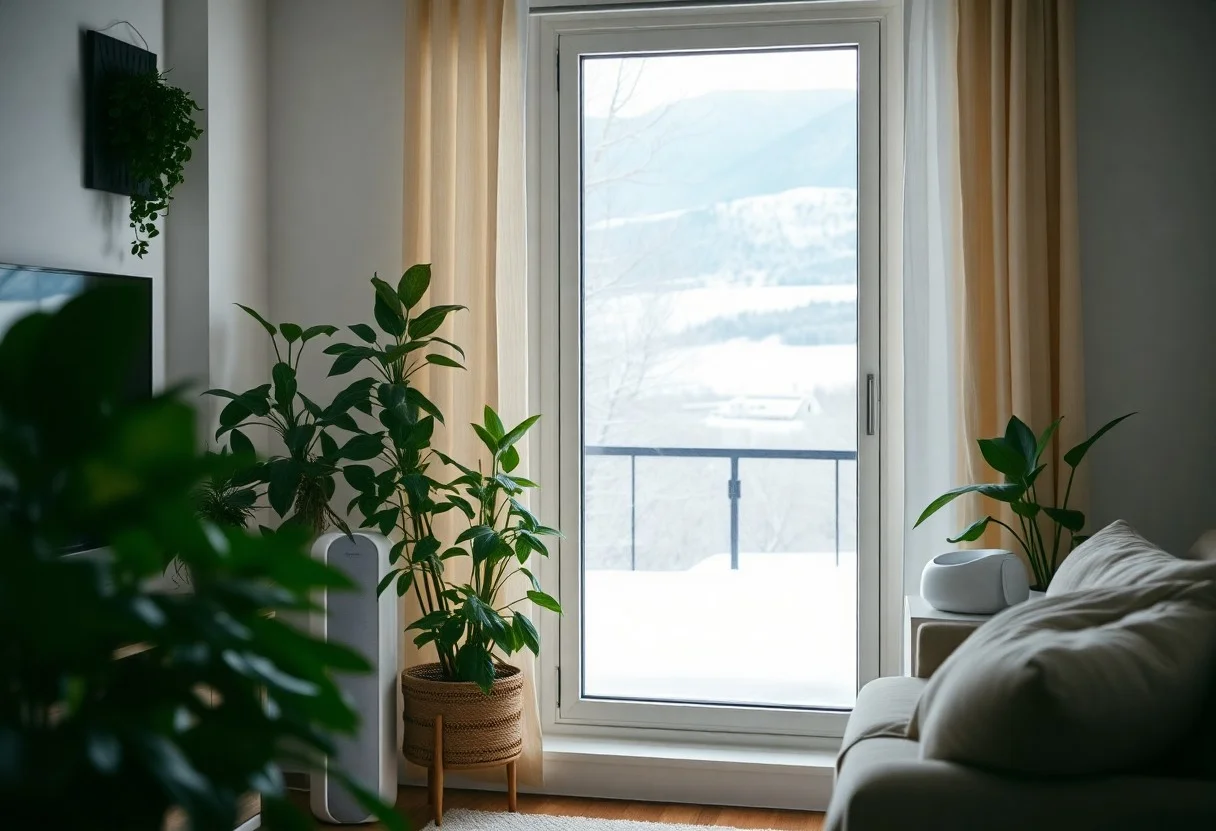
The short version: Utah winters are hard on the air inside your home. Sealed-up houses trap pollutants, the mountain air is punishingly dry, the Salt Lake and Davis County inversion pushes fine-particle smog indoors, and about 1 in 3 Utah homes has elevated radon that peaks in the sealed winter months. The fix is a layered one — better filtration (aim for MERV 13 during smog and smoke events), 30-50% humidity, controlled fresh-air ventilation, and regular furnace maintenance. Here's how to do each of those the right way for a Northern Utah home in 2026.
Most homeowners think about heating in the winter, not about what they're breathing. But in Centerville, Bountiful, Ogden, and across the Wasatch Front, the two are tightly linked: the same furnace that keeps you warm is also the machine that filters and circulates every cubic foot of air in your house. Get that system right and you solve most of your indoor-air problems at once.
Why Utah Winters Are So Hard on Indoor Air
Indoor air quality (IAQ) describes the condition of the air inside your home — the particles, gases, humidity, and biological contaminants in it, and how they affect your health and comfort. Poor IAQ shows up as coughing, congestion, itchy eyes, headaches, worse allergies and asthma, and that stale, stuffy feeling by February. Northern Utah stacks up several IAQ problems at exactly the same time of year:
- Sealed, tight homes. To hold heat, we close everything up for months. That's good for your gas bill and bad for ventilation — pollutants that used to leak out now build up indoors, where the air can be several times more polluted than outside.
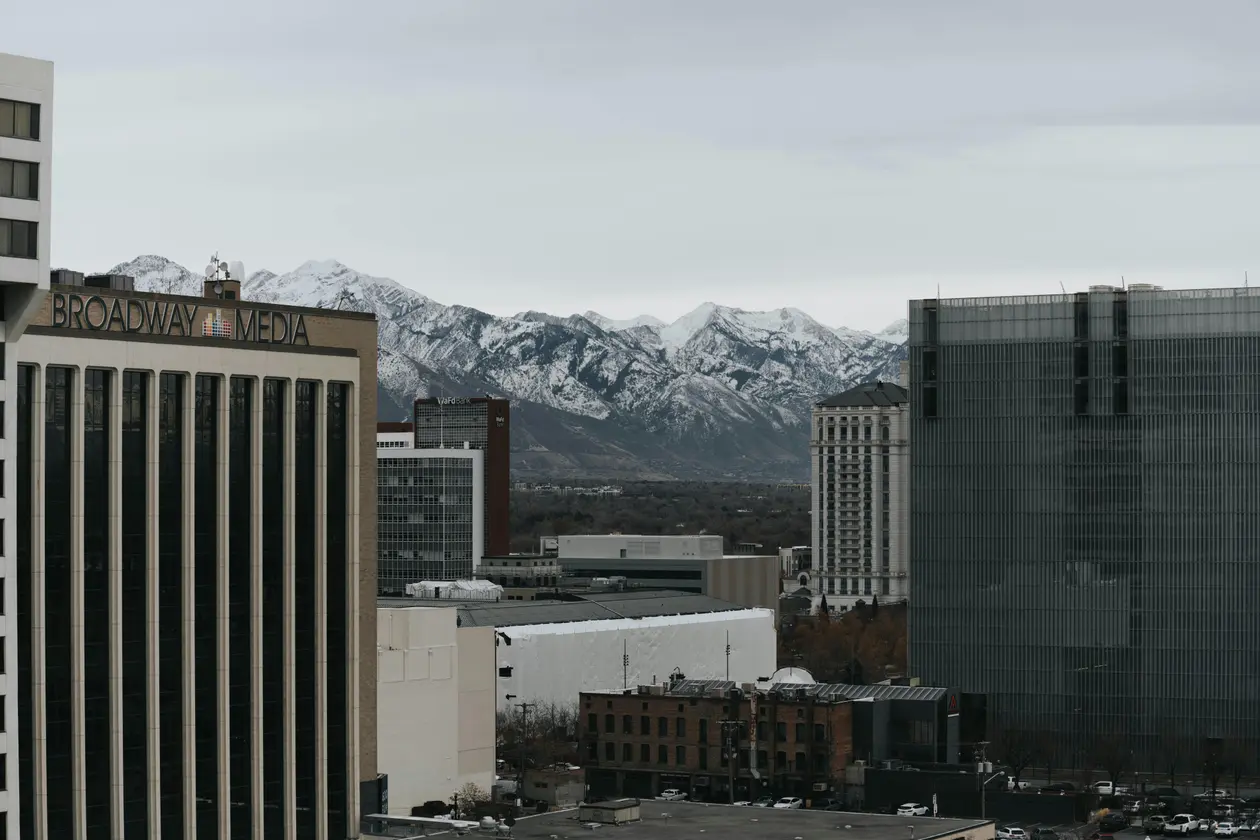
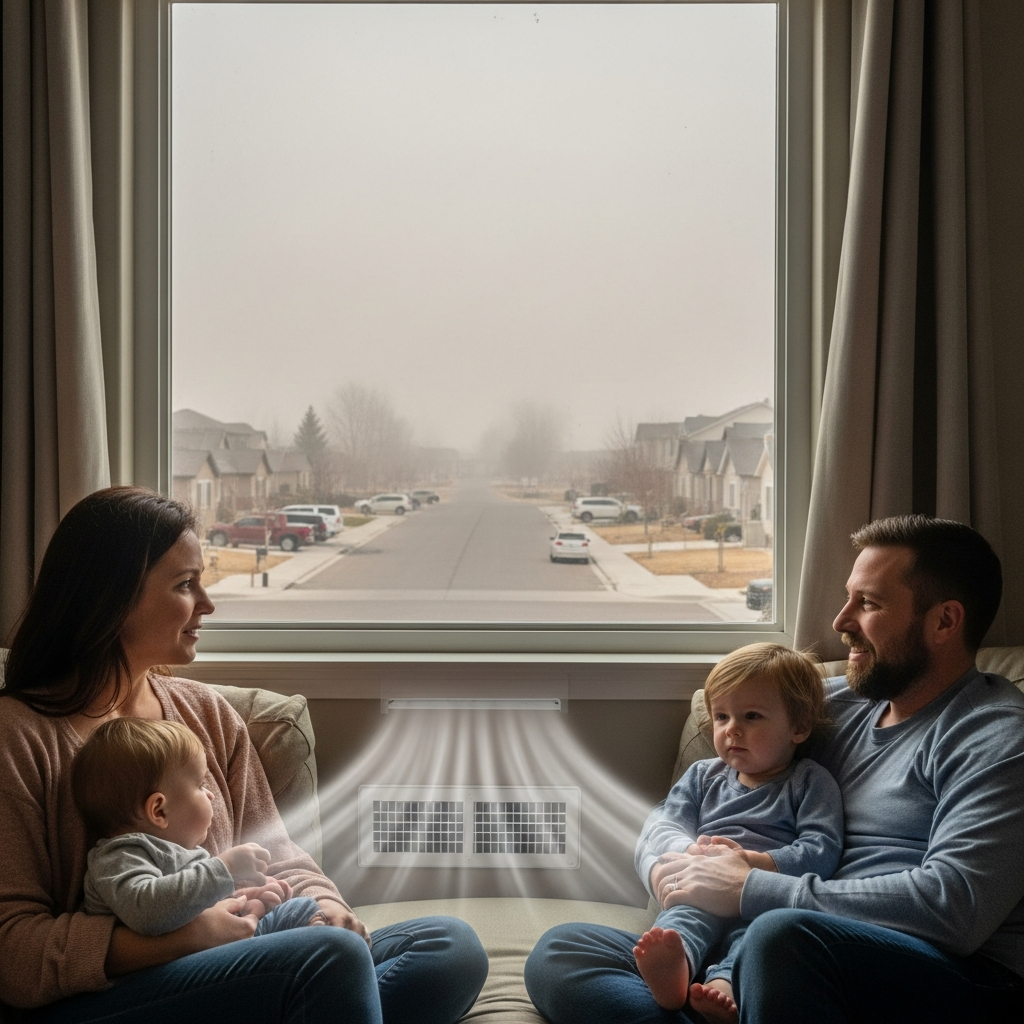
- The valley inversion. Cold air settles in the Salt Lake and Davis County valleys and traps a layer of PM2.5 smog against the ground for days at a time. That fine particulate doesn't stay outside — it works its way into your home through every door opening and normal air exchange.
- Extremely dry air. Utah's high-desert winter routinely drops indoor humidity below 20%, which dries out sinuses and skin, worsens respiratory irritation, and keeps dust particles floating longer.
- Radon. A sealed house in winter concentrates radon gas seeping up from the soil. About 1 in 3 Utah homes tests above the EPA's action level of 4.0 pCi/L — one of the highest rates in the nation — and radon is the leading cause of lung cancer in non-smokers.
- Combustion and everyday pollutants. Furnaces, gas ranges, fireplaces, candles, cooking, and cleaning products all add carbon monoxide, VOCs, and particulate to a space that isn't venting the way it does in summer.
Wildfire smoke is the summer cousin of the same problem. Utah's biggest smoke events land in July through September, and the response is nearly identical to inversion season — so the filtration and air-cleaning steps below serve you year-round, not just in January. For the smog side specifically, see our deeper guides on beating the Utah inversion and whether to run your HVAC during an inversion.
The 6 Steps That Actually Move the Needle
1. Upgrade Your Filtration to MERV 13 for Smog and Smoke
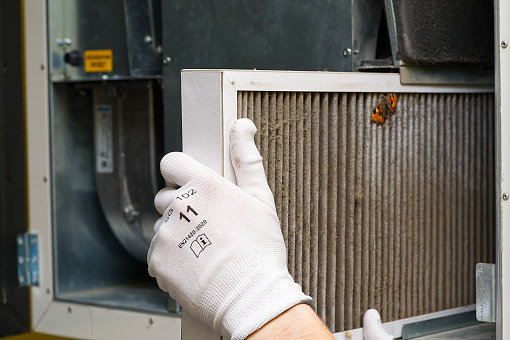
Your furnace filter is your first and cheapest line of defense — but the flimsy 1-inch fiberglass filter most homes ship with only protects the equipment, not your lungs. During an inversion or a wildfire-smoke event, the EPA recommends a MERV 13 or higher filter, which is rated to capture the fine PM2.5 particles that make Wasatch Front air so unhealthy.
The catch: a denser filter restricts airflow, and jamming a MERV 13 into an older or undersized system can strain the blower and actually reduce circulation. Most modern Northern Utah furnaces handle MERV 13 fine as long as the filter fits the slot correctly and is changed frequently — but if you have an older unit, have a technician confirm what it can take, or look at a 4-5 inch media cabinet or a whole-home air cleaner that gets you high filtration without choking airflow. Our Utah HVAC air filter replacement guide and our roundup of the best air filters for homes with pets or allergies walk through the specifics.
2. Add a Portable HEPA Air Cleaner Where You Spend the Most Time
Whole-home filtration handles the bulk of the air, but a portable HEPA cleaner in bedrooms and the main living area gives you a second layer — exactly the "layered" approach the EPA advises for smoke. HEPA units capture 99.97% of fine particles and are the most effective single upgrade for a bedroom during a bad inversion or smoke day. Size the unit to the room (check its CADR rating) and run it continuously during pollution events. Wondering whether you actually need one? Our team breaks it down in do you really need an air purifier?
3. Hold Humidity Between 30% and 50%
The EPA recommends keeping indoor relative humidity between 30% and 50%. Utah winters push most homes far below that, which is why so many families deal with nosebleeds, cracked skin, static shocks, and lingering coughs from December through March. A whole-home humidifier plumbed into your furnace is the most reliable way to hold the middle of that range across the whole house — far better than chasing it room by room with tabletop units.
Don't overshoot, though: sustained humidity above 50% invites condensation on cold windows and, eventually, mold. A cheap hygrometer (or a smart thermostat that reads humidity) lets you keep an eye on it. If your home feels bone-dry every winter, our guide on why your Utah home is so dry in winter covers the causes and fixes in detail.
4. Ventilate on Purpose — Without Losing Your Heat
Sealed homes need deliberate fresh air. On milder days, cracking windows for a few minutes flushes out built-up VOCs and moisture (skip this during an active inversion or smoke event, when outdoor air is worse than indoor). Run bath and kitchen exhaust fans while cooking and showering to pull moisture and combustion byproducts straight outside.
The best long-term answer for a tight Utah home is a heat recovery ventilator (HRV) or energy recovery ventilator (ERV). These bring in a controlled stream of fresh outdoor air while transferring most of the heat from the outgoing air, so you get ventilation without throwing away the warmth you paid for. It's an ideal upgrade to pair with a new furnace or heat pump install.
5. Test for Radon and Keep Combustion Safe
No filter removes radon — it's a soil gas, not an airborne particle — so filtration and radon control are separate jobs. Given that roughly a third of Utah homes test high, a short-term radon test kit (available cheaply through the Utah radon program) is one of the highest-value things you can do this winter. If levels come back above 4.0 pCi/L, a mitigation system can bring them down reliably.
At the same time, protect against combustion hazards: make sure you have working carbon monoxide detectors on every level, keep gas furnaces and water heaters properly vented, and have your heat exchanger inspected annually for cracks. A furnace that's short-cycling, running constantly, or short on maintenance is more likely to have combustion or airflow issues — if that sounds familiar, our DIY furnace troubleshooting guide helps you tell a quick fix from a "call a pro" situation.
6. Reduce the Pollutants You Add Indoors
Filtration works better when there's less to filter. Choose low-VOC or natural cleaning products, paints, and finishes; skip heavy air fresheners and scented candles; don't smoke or vape indoors; and burn wood only in a properly maintained, well-vented fireplace or stove. Vacuum with a HEPA-equipped vacuum, wash bedding in hot water to knock down dust mites, and keep entryway rugs to trap the grit and pollutants that ride in on shoes. These small habits are covered further in our 4 indoor air quality problems homeowners often overlook.
How to Tell Your Indoor Air Needs Help
You don't need lab equipment to spot a problem. Watch for:
- Persistent coughing, sneezing, congestion, or eye and throat irritation that eases when you leave the house.
- Worsening allergy or asthma symptoms in the sealed winter months.
- Musty or stale odors, or visible mold around windows and cold corners.
- Heavy dust that returns quickly after cleaning, or dust blowing from supply vents.
- Unexplained headaches or fatigue — and always take a chirping CO detector seriously.
An inexpensive indoor air-quality monitor can track PM2.5, VOCs, and humidity in real time so you know when to run the HEPA cleaner harder or ventilate. For a broader primer, see our expert tips for better indoor air at home.
Where Houseplants Fit (and Where They Don't)
Snake plants, pothos, peace lilies, and spider plants are attractive and add a little humidity, and they're a nice complement to a healthy home. But be realistic: research shows you'd need dozens of plants per room to measurably clean the air, so treat them as a bonus, not a substitute for real filtration and ventilation. If anyone in the home has mold sensitivities, keep an eye on damp potting soil.
The Bottom Line for Northern Utah Homes
Clean winter air in Utah comes down to a system, not a single gadget: filter to MERV 13 during smog and smoke, add a HEPA cleaner where you sleep, hold humidity at 30-50%, ventilate deliberately, test for radon, and keep your furnace maintained. Most of that runs through the HVAC equipment you already own — which is why an annual tune-up and the right filter strategy do so much of the work. And because the same playbook handles summer wildfire smoke, getting it dialed in now pays off all year.
Frequently Asked Questions
What is the ideal indoor humidity level during a Utah winter?
Aim for 30-50% relative humidity (the EPA's recommended range). Utah's dry winter air puts most homes well below 30%, so a whole-home humidifier on your furnace is the most reliable fix. Stay under 50% to avoid condensation and mold.
What MERV rating should I use during a Utah inversion or wildfire smoke?
MERV 13 or higher, per the EPA, to capture fine PM2.5 particles. Most modern furnaces handle it if the filter fits well and is changed often, but an older system may need a media cabinet or whole-home air cleaner instead — have a technician confirm.
Does the valley inversion really affect the air inside my house?
Yes. Trapped PM2.5 smog leaks indoors through normal air exchange, and a basic 1-inch filter barely touches it. MERV 13 filtration, running the fan on "circulate," and a portable HEPA cleaner keep indoor levels far lower than the outdoor air.
Should I test for radon in my Utah home?
Yes. About 1 in 3 Utah homes tests above the EPA action level of 4.0 pCi/L, and radon peaks in sealed winter months. Test kits are cheap, and mitigation works if levels are high. No furnace filter removes radon — it's a separate job.
How often should I change my furnace filter in winter?
Check 1-inch filters monthly and replace every 1-3 months; 4-5 inch media filters last 6-12 months. Change more often during inversions or smoke events, when the filter looks dark, or if you have pets.
Breathe Easier This Winter — Talk to Salmon HVAC
Salmon HVAC has kept Northern Utah homes comfortable since 1979. Whether you need a MERV-13-capable filter setup, a whole-home humidifier, an HRV/ERV, a furnace tune-up, or a full indoor air quality assessment, our team can build the right plan for your home and budget. Serving Centerville, Bountiful, Layton, Ogden, Salt Lake City, and communities across Davis, Weber, Salt Lake, and Morgan counties.
Call us today at (801) 397-0030, request a free quote, or send us a message to breathe easier all winter long.