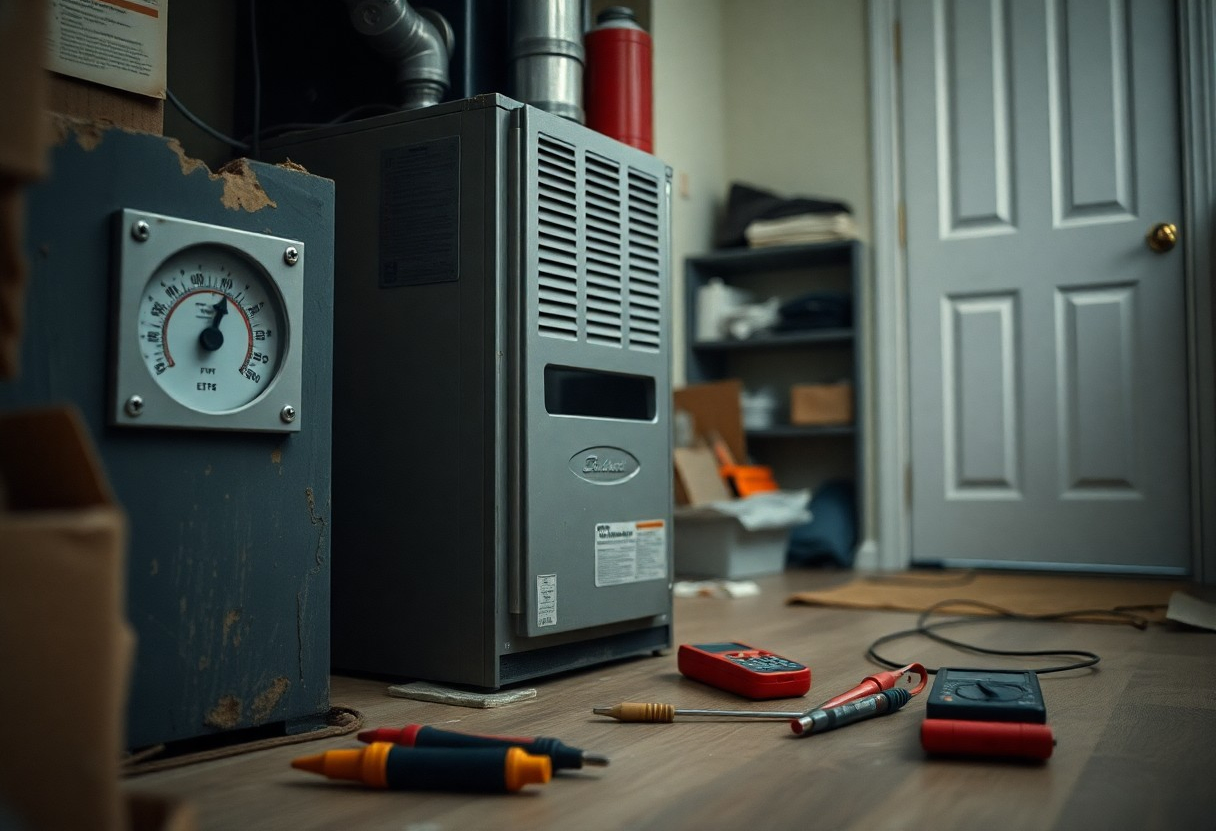
Before you call for furnace repair, run through the quick checks that fix most no-heat calls: confirm the thermostat is set to "Heat" and a few degrees above room temperature, swap in a clean filter, make sure the furnace power switch and breaker are on, and check that the front panel is fully seated. If your furnace still won't fire, short-cycles, smells like gas, or trips a carbon monoxide alarm, stop troubleshooting and call a licensed technician. This guide walks Northern Utah homeowners through what's safe to try yourself and where the DIY line stops — because a Bountiful cold snap that drops into the single digits is the worst time to guess.
Salmon HVAC has serviced furnaces across Davis, Weber, Salt Lake, and Morgan counties since 1979, and the truth is that a large share of the "my furnace is broken" calls we get during the first hard freeze are simple: a clogged filter, a tripped switch, or a thermostat set wrong. Knowing which is which saves you a service fee — and knowing when not to DIY keeps your family safe.
Know Your Furnace Before You Troubleshoot
Understanding a few key parts makes troubleshooting far less intimidating. Most homes in Northern Utah run a gas furnace (natural gas from Dominion Energy), which is efficient and inexpensive to operate in our climate. Some older or rural homes near Morgan and Ogden Valley use propane, and a smaller number use electric furnaces, which cost more to run but need less combustion-related service.
Whatever type you have, the same core components do the work: the thermostat tells the furnace when to run, the igniter (a hot-surface igniter on most furnaces built since the 1990s) lights the burners, the heat exchanger transfers heat to your air without mixing combustion gases into it, and the blower motor pushes warm air through your ducts. The flue vents exhaust safely outside. When something goes wrong, the problem almost always traces back to one of these parts — and our high-desert altitude and dry winter air add a couple of local wrinkles we'll flag along the way.
Safe DIY Furnace Troubleshooting Steps
If your furnace isn't heating the way it should, work through these homeowner-safe checks in order before calling anyone.
1. Start at the thermostat
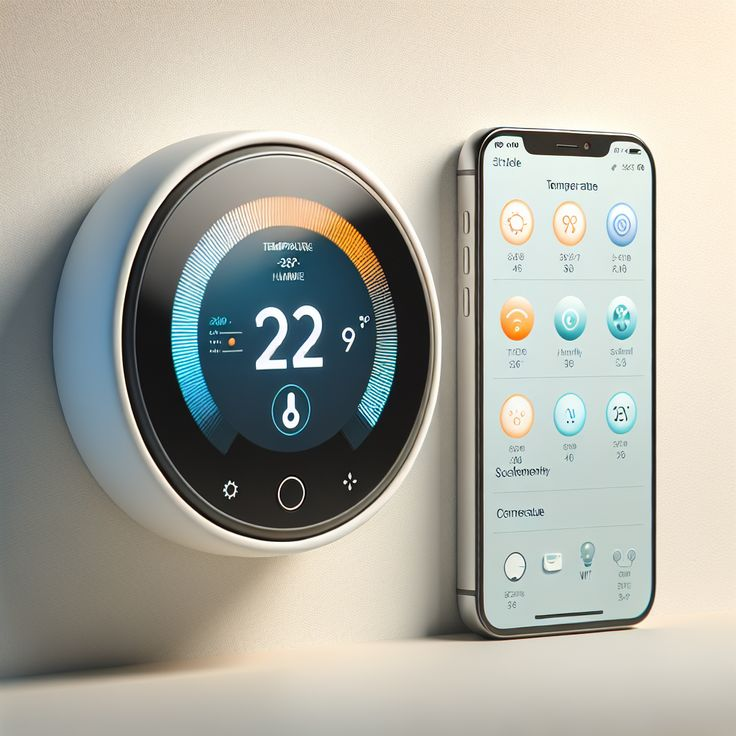
It sounds obvious, but a surprising number of no-heat calls end at the thermostat. Confirm it's set to "Heat" and that the target temperature is at least a few degrees above the current room reading. If you have a battery-powered thermostat, replace the batteries — a fading battery can cause erratic behavior long before the screen goes blank. If you recently installed a smart thermostat, double-check it's wired for your furnace's heat call and not stuck in an "eco" or "away" schedule.
2. Replace a dirty air filter
This is the single most common fixable cause of furnace trouble in Utah homes. A clogged filter restricts airflow, which makes the heat exchanger overheat and the furnace shut itself off on a high-limit switch as a safety measure — often looking like "my furnace runs for a minute and quits." Our dry, dusty valleys and long inversion season load filters fast. Check yours monthly during heating season and replace a 1-inch filter every 1–3 months (thicker 4- to 5-inch media filters can last longer). If you're not sure which filter fits or how often to change it, our Utah HVAC air filter replacement guide breaks it down.
3. Confirm power and the panel switch
Every furnace has a standard wall switch nearby that looks like a light switch — sometimes a helpful previous homeowner labeled it, sometimes a guest flipped it off by accident. Make sure it's on. Then check your electrical panel for a tripped breaker. Finally, confirm the furnace's front access panel is fully closed; most furnaces have a door-interlock switch that won't let the unit run if the panel is loose.
4. Clear vents, registers, and the intake
Blocked airflow strains the whole system. Walk the house and make sure furniture, rugs, and curtains aren't covering supply registers or return-air grilles. If your furnace draws combustion air through a PVC intake pipe on an exterior wall (common on high-efficiency condensing furnaces), check that snow, ice, or leaves haven't blocked it — a buried intake during a Layton snowstorm will shut a furnace down cold.
5. Listen for what the furnace is telling you
Sounds are clues. A rhythmic clicking with no ignition often points to a failing igniter or flame sensor. A high-pitched squeal can mean a blower motor or bearing issue. A loud boom on startup — a delayed ignition where gas builds up before it lights — is not something to keep running; shut the furnace off and call a pro. Many modern furnaces also blink an LED error code through the panel window; count the blinks and match them to the legend on the door before you call, and you'll save the technician diagnostic time.
Warning Signs That Mean Stop and Call a Pro
DIY has a hard limit, and in Utah's cold months the stakes are real. Call a licensed technician right away if you notice any of the following:
- Any suspicion of carbon monoxide. CO is colorless and odorless. Headaches, nausea, dizziness, or drowsiness that improve when you leave the house are red flags. If a CO alarm sounds, get everyone outside and call 911, then your HVAC company. Never try to diagnose a cracked heat exchanger or combustion problem yourself.
- A gas smell (rotten eggs). Don't flip switches or light anything — leave immediately and call Dominion Energy's emergency line and your technician from outside.
- Short-cycling that a new filter didn't fix. If the furnace still turns on and off every few minutes, the cause may be a failing flame sensor, limit switch, or control board — worth a professional look before it strands you. Our guide on why a furnace runs constantly (or cycles oddly) explains what's happening inside.
- No heat after basic checks. If the thermostat, filter, power, and vents are all fine and you still have cold air, the igniter, gas valve, or blower likely needs a tech. Our no-heat furnace troubleshooting guide for Utah homeowners covers the first-hour steps in detail.
- Yellow or flickering burner flame. A healthy gas flame burns steady and blue. Yellow, lazy, or flickering flames can signal incomplete combustion — at our altitude, furnaces sometimes need combustion adjustments that require a manometer and a trained tech.
- Water pooling around the furnace. High-efficiency furnaces produce condensate; a clogged drain or cracked line can leak and, left alone, damage the unit.
Why Northern Utah Furnaces Need a Little Extra Attention
Our climate is hard on heating systems in specific ways. Altitude means less oxygen for combustion, so gas furnaces here should be set up (de-rated) for elevation — a furnace tuned for sea level can run rich and waste fuel or foul components. Dry winter air and dusty inversion conditions clog filters faster than in more humid climates. And our swing from mild fall to sudden hard freezes means the first big heat call of the year often exposes a problem that's been quietly developing since spring.
That's exactly why a pre-season tune-up pays off. Catching a weak igniter or a marginal flame sensor in September is a quick fix; discovering it at 11 p.m. during a December cold snap is an emergency call. If you haven't scheduled fall service yet, our 8-point fall furnace prep checklist is a good place to start.
What Professional Furnace Service Actually Includes
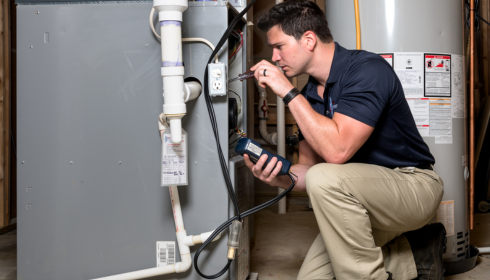
When a Salmon HVAC technician services your furnace, it's more than a quick look. A thorough visit includes cleaning and inspecting the burners, testing the igniter and flame sensor, checking the heat exchanger for cracks, verifying safe combustion and venting, confirming the blower and motor are drawing normal amperage, testing safety switches, and checking for carbon monoxide. Addressing small issues during a routine visit is what prevents the expensive, cold-night breakdowns — and it keeps your manufacturer warranty valid, since most require documented annual maintenance.
If your system is more than 15 years old and needs frequent repairs, it may be time to weigh repair against replacement. Our guide on the signs your furnace needs repair before winter can help you decide, and our team can walk you through options — including high-efficiency furnaces and heat pumps that qualify for 2026 rebates and tax credits — through furnace installation or furnace repair.
Simple Habits That Keep Your Furnace Healthy
Between professional visits, a few small habits go a long way in our climate: change the filter on schedule, keep the area around the furnace clear of stored boxes and paint cans, keep supply and return vents unblocked, test your carbon monoxide detectors twice a year (install one near sleeping areas if you don't have them), and seal obvious drafts around windows and doors so your furnace isn't fighting the cold air it's trying to replace. None of it is complicated, and all of it reduces strain on the system through a long Utah heating season.
Frequently Asked Questions
Why is my furnace shutting down unexpectedly?
The most common cause is a dirty or clogged air filter that restricts airflow, causing the furnace to overheat and shut down on its high-limit switch as a safety measure. Replace the filter first — in our dusty, dry climate they clog quickly. If the shutdowns continue after a fresh filter, a failing flame sensor, limit switch, or control board may be to blame, and it's time to call a technician.
How do I know if my furnace has a carbon monoxide problem?
Carbon monoxide is colorless and odorless, so you can't detect it directly. Watch for symptoms like headaches, nausea, or dizziness that ease when you leave the house, and install CO detectors near sleeping areas. If an alarm sounds, get everyone outside and call 911, then your HVAC company. Never attempt to diagnose a suspected cracked heat exchanger or combustion issue yourself — this always requires a professional.
What should I check before calling a furnace repair technician?
Confirm the thermostat is set to "Heat" and above room temperature (and replace its batteries), swap in a clean air filter, make sure the furnace power switch and breaker are on and the front panel is fully closed, and clear any blocked vents or a snow-covered intake pipe. These four checks resolve a large share of no-heat calls without a service visit.
When should I call a professional for furnace repair in Utah?
Call a licensed technician immediately for any gas smell, suspected carbon monoxide, a yellow or booming burner flame, or short-cycling and no-heat that basic troubleshooting didn't fix. When safety is in question, don't guess — Salmon HVAC offers 24/7 emergency HVAC service across Northern Utah for exactly these situations.
How often should a furnace be professionally serviced?
Once a year, ideally in early fall before the first hard freeze. In Northern Utah, the altitude, dust, and sudden cold snaps make an annual tune-up especially valuable, and most manufacturers require documented yearly maintenance to keep the warranty valid.
Talk to Salmon HVAC
DIY troubleshooting handles the easy stuff — but when your furnace crosses into gas, combustion, or carbon monoxide territory, the safe move is a licensed pro. Salmon HVAC has kept Northern Utah homes warm since 1979, serving Centerville, Bountiful, Layton, Ogden, Salt Lake City, and the surrounding communities. Call us at (801) 397-0030, request a free quote, or send us a message — and we'll get your heat back on.