The fastest way to improve indoor air quality this winter is to run a MERV 13 filter, change it every 1 to 3 months, hold your home at 30 to 50% humidity, and keep the furnace fan moving air on heavy inversion days. In Northern Utah, winter stacks two problems on top of each other: your house is sealed tight to hold in heat, and the Salt Lake, Davis, and Weber valleys trap wood smoke and fine particulate during inversions. The result is that the air you breathe for the three or four coldest months is often dirtier inside than out. The good news is that most of the fix runs through equipment you already own.
Below is a practical, Utah-specific plan for cleaner winter air, plus how to tell when it's time to bring in a pro. If you'd rather skip straight to an assessment, call Salmon HVAC at (801) 397-0030 or request a free quote.
Why Winter Air Quality Is Worse in Northern Utah
Indoor air quality describes how clean and healthy the air in your home is to breathe. In winter it tends to drop for a simple reason: we close everything up. Sealing a home against the cold also seals in dust, pet dander, cooking byproducts, and the chemical off-gassing from cleaners, candles, and new furnishings. The U.S. EPA reports that indoor pollutant levels are commonly 2 to 5 times higher than outdoor levels, and that Americans spend roughly 90% of their time indoors — a number that climbs in January and February.
Here's the part that's specific to the Wasatch Front. During a temperature inversion, a layer of warm air caps the cold valley air and holds it in place for days, letting PM2.5 — the fine particulate from vehicle exhaust, wood-burning, and industry — build to unhealthy levels. On those days, the usual advice to "open a window for fresh air" works against you, because the outdoor air is the problem. That makes your home's filtration and your HVAC system the front line for clean air. For more on managing your system during a bad-air stretch, see our guide on whether to run your HVAC during a Utah inversion.
Start With Your Furnace Filter
Your furnace moves more air through your home than anything else you own, which makes its filter your single most powerful air-quality tool. A clogged or low-grade filter lets fine particles slip through and recirculate room to room; a clean, well-rated one captures them on every pass.
Choose the Right MERV Rating
Filters are graded on the MERV scale (Minimum Efficiency Reporting Value) — the higher the number, the smaller the particles it traps. The EPA and ASHRAE recommend a minimum of MERV 13 for capturing fine particles like smoke, bacteria, and allergens, which is exactly what matters during inversion season. A MERV 13 filter catches 90% or more of particles in the 1-to-3-micron range.
One important caveat: not every residential furnace can push air through a high-MERV filter without straining the blower. Too much resistance reduces airflow, hurts efficiency, and can shorten the life of your equipment. Before you jump to the thickest filter on the shelf, have a technician confirm your system can handle it — or look at a dedicated media-cabinet or whole-home filtration upgrade sized for high-MERV media. Our Utah HVAC air filter replacement guide walks through sizes and ratings in detail.
Change It on Schedule
Check the filter monthly and replace it every 1 to 3 months through heating season. During a long inversion, or if anyone in the house has asthma or allergies, inspect it more often — filters loaded with fine smoke particulate clog faster, and a clogged filter chokes airflow and drives up your heating bill.
Run the Fan to Keep Air Clean
A trick many Utah homeowners miss: switch your thermostat fan from AUTO to ON during heavy inversion days. On AUTO, the fan only runs while the furnace is actively heating, so your air gets filtered in short bursts. On ON, the blower runs continuously and pulls household air through the filter all day long, scrubbing far more particulate out of circulation. Pair this with a good filter and you've turned your furnace into a whole-home air cleaner. If your thermostat is older, a smart thermostat makes it easy to schedule circulation — and to dial heat back when you're away.
Control Humidity for Comfort and Health
Utah's high-desert winter air is punishingly dry. Indoor humidity that drops into the teens causes dry skin and sinuses, scratchy throats, static shocks, and cracking in wood floors and trim. The target range for both comfort and health is 30 to 50% relative humidity.
A whole-home humidifier tied into your ductwork is the most consistent way to hold that range without running noisy portable units in every room. Don't overshoot, though — pushing humidity too high invites condensation on cold windows and mold growth in wall cavities. A cheap hygrometer takes the guesswork out. We cover the dryness side of this in depth in why your Utah home feels so dry in winter.
Add Filtration and Fresh-Air Ventilation
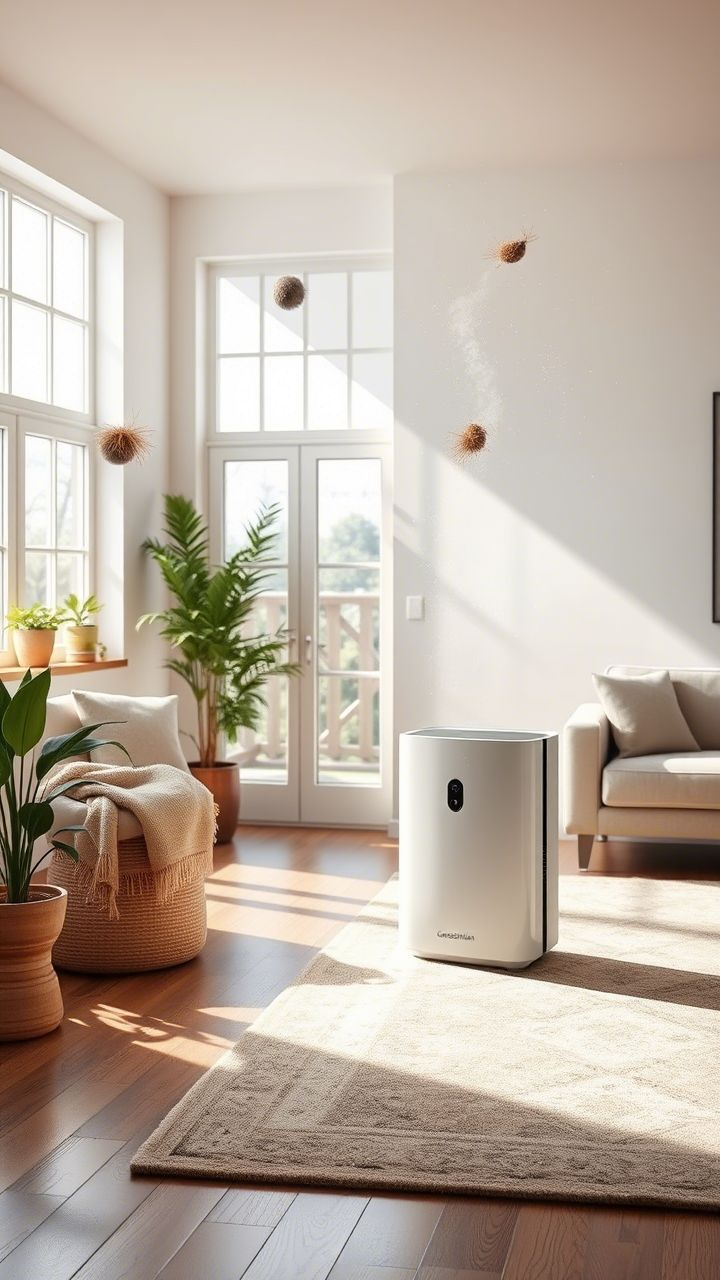
If filtration through the furnace isn't enough — a smoke-sensitive household, a home office you spend all day in, or a family member with respiratory issues — a portable HEPA air purifier in the most-used rooms makes a noticeable difference, and activated-carbon media helps with odors and chemical fumes. Not sure it's worth it? We break down the trade-offs in do you really need an air purifier.
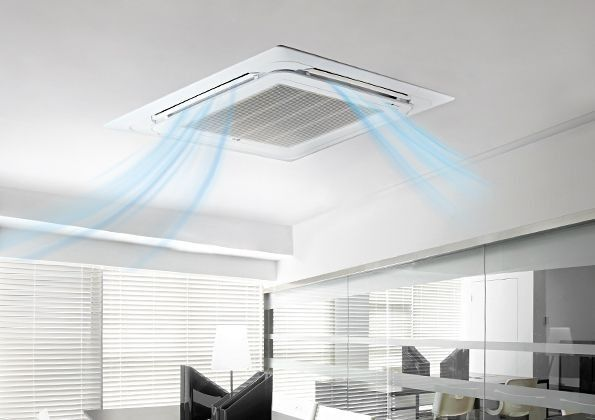
Ventilation is trickier in winter because you can't just open a window during an inversion. The best solution for a tightly sealed home is an energy (or heat) recovery ventilator — an ERV/HRV brings in measured fresh air while transferring heat from the outgoing stale air, so you ventilate without throwing away the warmth you paid for. In the meantime, run kitchen and bathroom exhaust fans during and after cooking and showering to clear moisture and odors at the source.
Keep Up With Maintenance
Filters are only part of the system. Dust and allergens also collect in blower compartments, coils, and ductwork, and a neglected furnace will quietly redistribute all of it. A seasonal tune-up — which also keeps your heat running safely and efficiently through the coldest months — is the backbone of good winter air quality. Pair clean equipment with the filtration and humidity steps above and you've addressed every major source at once.
Salmon HVAC has kept Northern Utah homes comfortable since 1979. Our team handles indoor air quality upgrades, furnace service, whole-home filtration, and humidifiers across Davis, Weber, Salt Lake, and Morgan counties. For more everyday tactics, our post on better air at home is a useful companion read.
Breathe Easier This Winter
Clean winter air in Utah comes down to four things working together: a properly rated filter changed on schedule, continuous air circulation on bad-air days, humidity held in the 30-to-50% range, and a well-maintained heating system. None of it requires opening a window to the inversion outside. Handle those and your home stays a genuine refuge during the smoggiest, coldest stretch of the year.
Want an expert to assess your home's air and recommend the right filtration or humidity setup? Call Salmon HVAC at (801) 397-0030, request a free quote, or send us a message.
Frequently Asked Questions
Why does indoor air quality get worse in Utah winters?
Two things happen at once. Homes are sealed tight to hold heat, which lets dust, dander, mold spores, and chemical fumes build up indoors, and Northern Utah's winter inversions trap smoke and PM2.5 in the valleys so outdoor air is often unhealthy to let in. The EPA reports indoor pollutant levels run 2 to 5 times higher than outdoors, and we spend about 90% of winter indoors.
Should I run my furnace fan during a Utah inversion?
Yes. Setting the thermostat fan to ON instead of AUTO keeps air cycling through your filter continuously, removing far more fine particulate than running it only during heating cycles. Keep windows and doors closed on heavy inversion days so you're not pulling trapped valley pollution indoors.
What MERV rating should I use for winter indoor air quality?
The EPA and ASHRAE recommend a minimum of MERV 13 to capture smoke, bacteria, and allergens. Before upgrading, have a technician confirm your furnace can handle the added airflow resistance — not every residential system can, and forcing it strains the blower.
How often should I change my furnace filter in winter?
Check it monthly and replace it every 1 to 3 months during heating season — more often during a long inversion or if anyone in the home has asthma or allergies, since smoke particulate clogs filters faster.
What indoor humidity level is best for a Utah winter?
Aim for 30 to 50% relative humidity. Utah's dry winter air often calls for a whole-home humidifier, but don't overshoot — too much moisture causes window condensation and mold. A hygrometer helps you stay in range.